
GEOSESARMA DENNERLE (PURPLE VAMPIRE CRAB)
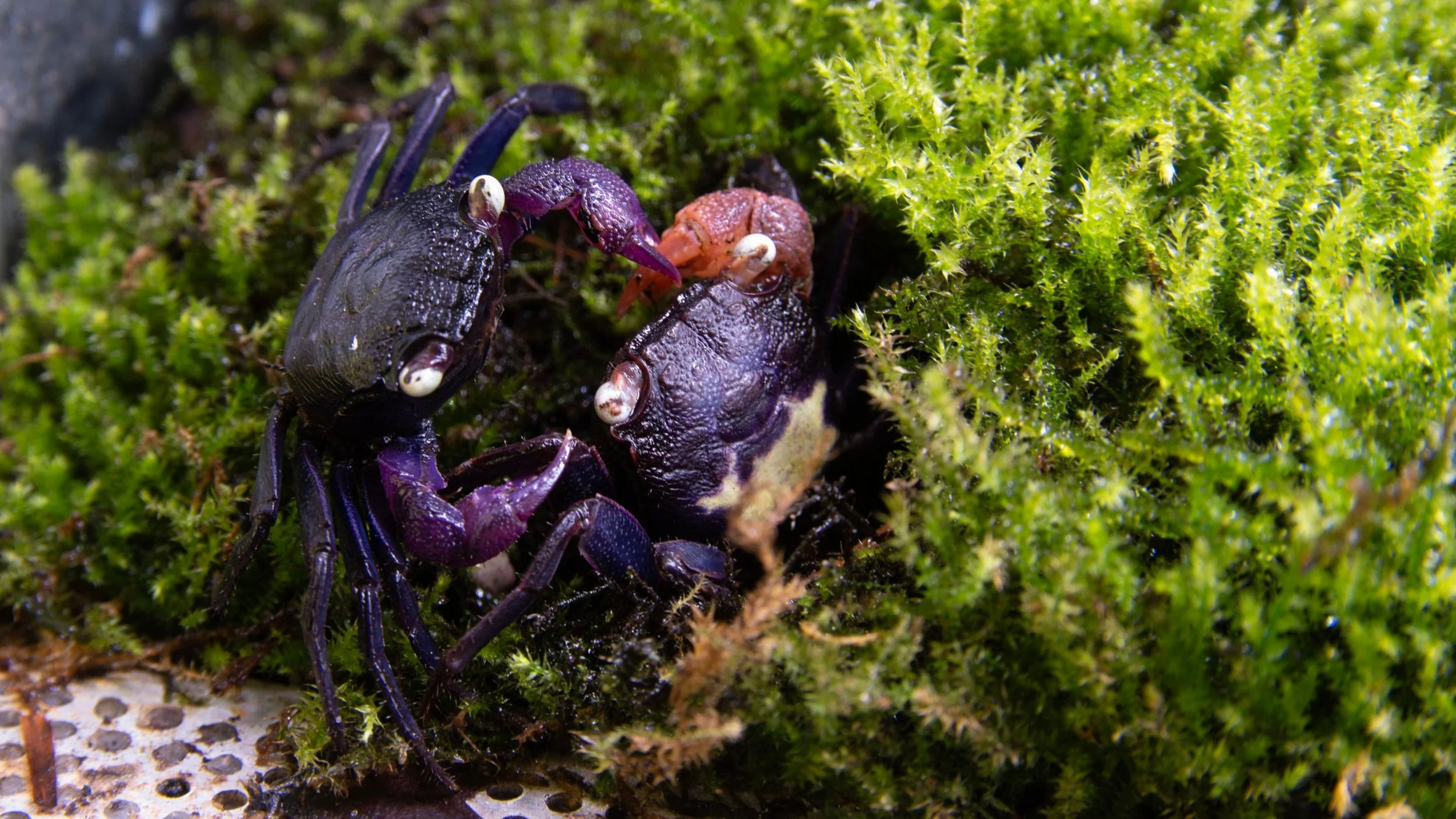
Two male Geosesarma Dennerle vampire crabs fighting for a burrow
Scientific Classification
Scientific Name: Geosesarma dennerle
Common Names: Purple Vampire Crab, Yellow Back Crab, Vampir, Wampir
Discoverers: Ng, Schubart & Lukhaup, 2015
Scientifically Described: Yes
Availability in Trade: Very popular (as of 2025)
Identification & Characteristics
Geosesarma dennerle is a small, semi-terrestrial crab species native to Central Java, Indonesia. It inhabits tropical forest floors near bodies of water and is well-known in the aquarium trade.
Geosesarma Dennerle Species profile video
Appearance
Carapace: Deep purple to light purple hues with a distinctive yellow patch, varying in intensity. Though they can have a little bit of variance in their shades or purple, and the intensity of the yellow on their backs.
Legs: Purple to dark brown, sometimes black.
Claws: Light purple to dark purple, sometimes pink.
Eyes: Bright yellow, sometimes appearing white (more common in captive-bred specimens).
Underside: Brown, black, or shades of purple.
Size: Typically 6-7 cm (2.5 to 3 inches) including legs; body size around 2-2.5 cm (0.8-1 inch).
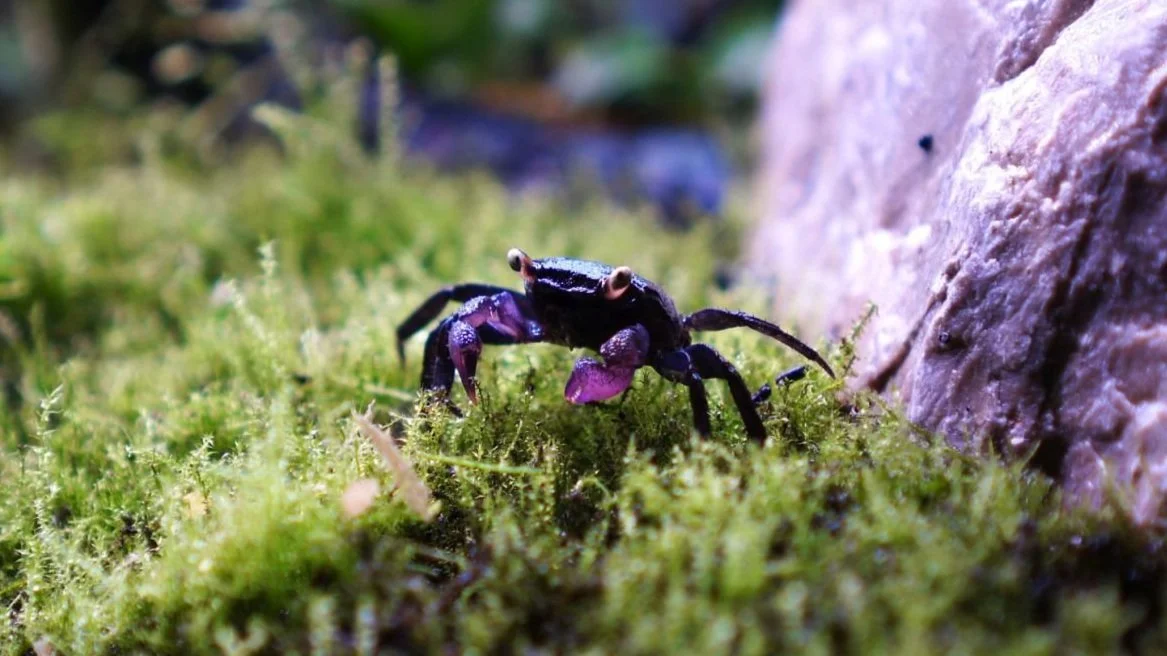
A Geosesarma Dennerle (purple vampire crab)
Distribution & Habitat
Native to: North of Cilacap City, Central Java, Indonesia
Habitat:
Tropical forest floors: Highland species, near water streams.
Burrowing: Prefers to dig burrows in damp soil for shelter and egg protection.
Climbing: Skilled climbers; require a secure tank lid in captivity.
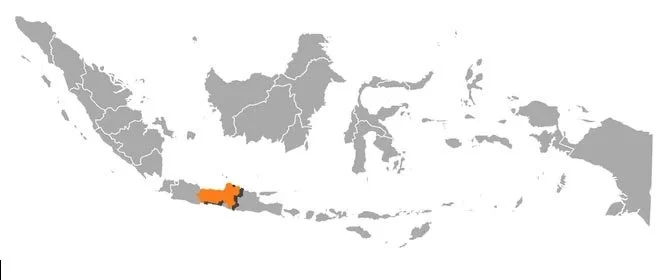
Forest floor burrows: They live in burrows near streams and other water sources, where they can access the humidity needed for survival.
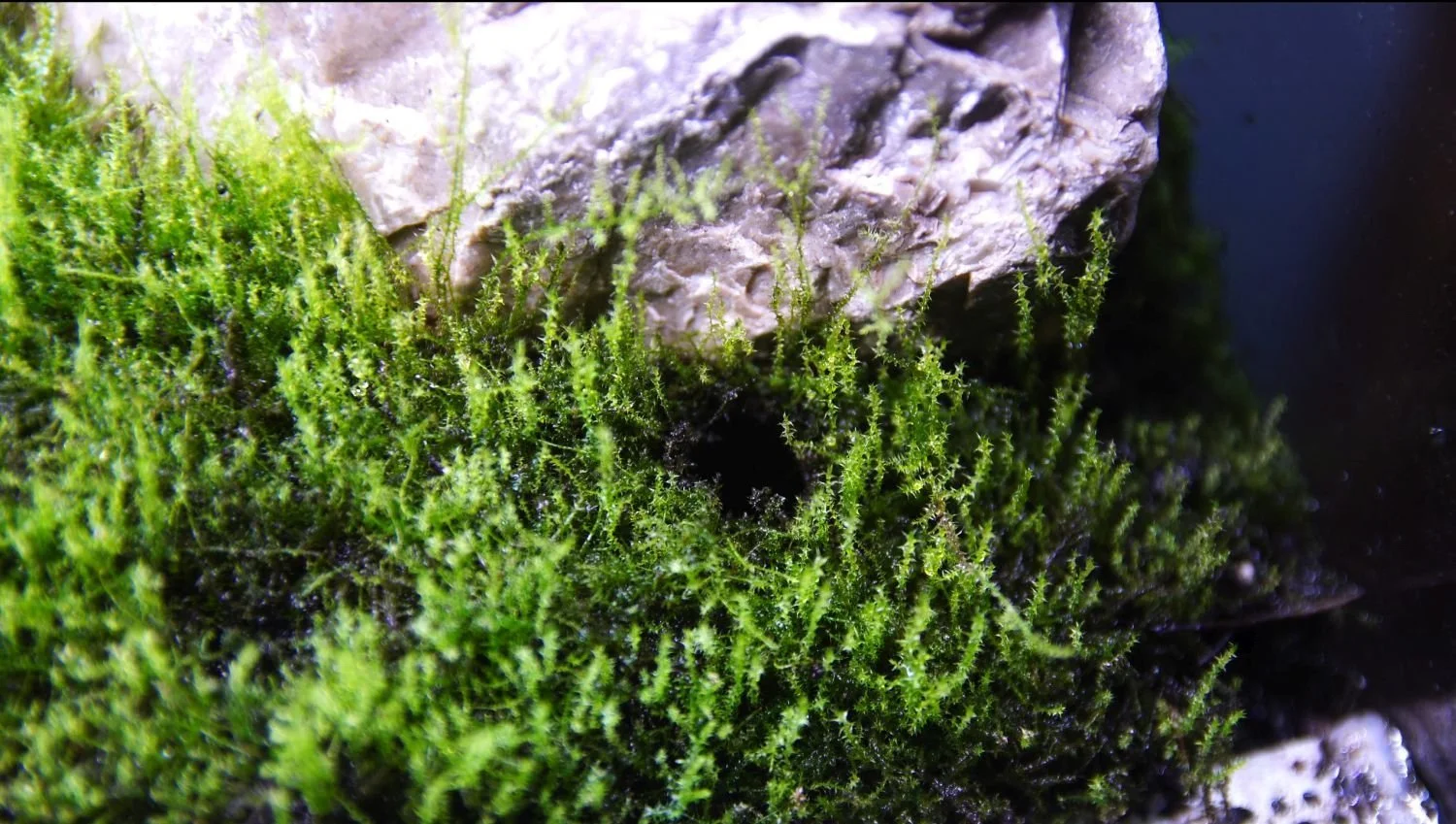
Vampire Crab Burrow in the soil
Climbing behaviour: Although largely ground-dwelling, these crabs are capable climbers and will often explore higher terrain. In captivity, they are exceptional escape artists so need to be in tanks with a secure lid or doors.
Social structure: They are semi-social, tolerating group environments in captivity, though males may exhibit aggressive tendencies toward one another, particularly during territorial disputes. Females, in contrast, are more focused on burrowing and hiding from disputes. That said, larger females have been known to kill off males when defending their eggs & babies. This is quite funny considering once their babies are released they will happily eat them.
When kept in captivity
They need a warm, humid environment, with a humidity level of 75% or higher. A humidifier can be used to increase the humidity, or you can mist the enclosure regularly with a water bottle.
WATER SECTION RULES:
Water temperature: 22–25°C (71–78°F)
PH: Between 7.5–8.0
KH (carbonate hardness): Between 0–10
GH (general hardness) Between 4–16
Ammonia: 0
Nitrite: 0
Nitrate: Lower than 20 ppm
Air Temperature: 22–28°C (71–82°F)
Overnight lows and daily highs are normal, so if your tank goes from 20–30c over a 24-hour period (slowly) that is perfectly fine. This is very similar to what happens in nature. However, you will need a heater for your tank during the colder months of the year.
Geosesarma Dennerle Diet
These crabs are omnivores and adept hunters. They are not selective in their diet, eating a wide range of food, including both plant matter and small invertebrates. Their varied diet makes them relatively easy to care for in captivity, as they will accept most common crab foods. Here’s a full guide for A healthy Vampire Crab diet in captivity.

Geosesarma Dennerle Diet
Behaviour & Social Dynamics
Males: While they can be kept in groups, male Geosesarma dennerle are known for their territorial nature and may engage in fights, as evidenced by instances where males lock claws in combat, especially older individuals.
Females: They are less aggressive and more inclined to burrow deeply in the substrate, likely to provide protection and create a safe environment for raising offspring.
IMPORTANT: You cannot mix multiple species (colours) when keeping them in captivity. They will kill each other pretty quickly.
Geosesarma Dennerle Breeding Cycle
The breeding behaviour of Geosesarma Vampire Crabs is aggressive and potentially harmful, especially to females. Males forcibly mate with females, often causing injury or even death. After mating, females carry fertilized eggs under their abdomen instead of releasing them into the water. These eggs take 45-60 days to hatch, during which females hide in burrows.
The offspring develop directly inside the eggs, emerging as fully formed miniature crabs, avoiding a larval stage. The mother releases them near water, where they are left to survive independently. Juveniles, which resemble tiny adult crabs, face threats from both predators (including their parents) and sibling cannibalism. They grow quickly, molt often, and stay near water for the first 3-4 months, during which they are particularly vulnerable.

Baby Vampire Crab less than 24hrs old
From 8-9 months, the crabs begin to develop adult colors and exhibit territorial behavior. By 12 months, they are fully colored and aggressive, starting their own reproductive cycles. Maintaining genetic diversity by introducing new bloodlines is important to avoid inbreeding in captivity.
Conservation Status
Geosesarma dennerle is currently endangered in its natural habitat due to over-collection for the pet trade. It was one of the first Geosesarma species introduced to the aquarium hobby, where its popularity has only grown, leading to increasing pressure on wild populations.
Interesting Facts
One of the first species in the Geosesarma genus to be introduced into the aquarium hobby. Before it was officially known to science it was already being traded in the hobby.
It thrives in paludarium setups that mimic its natural environment, requiring both land and water areas in its enclosure.
If you want to keep these crabs successfully in captivity Make sure you check out this guide.
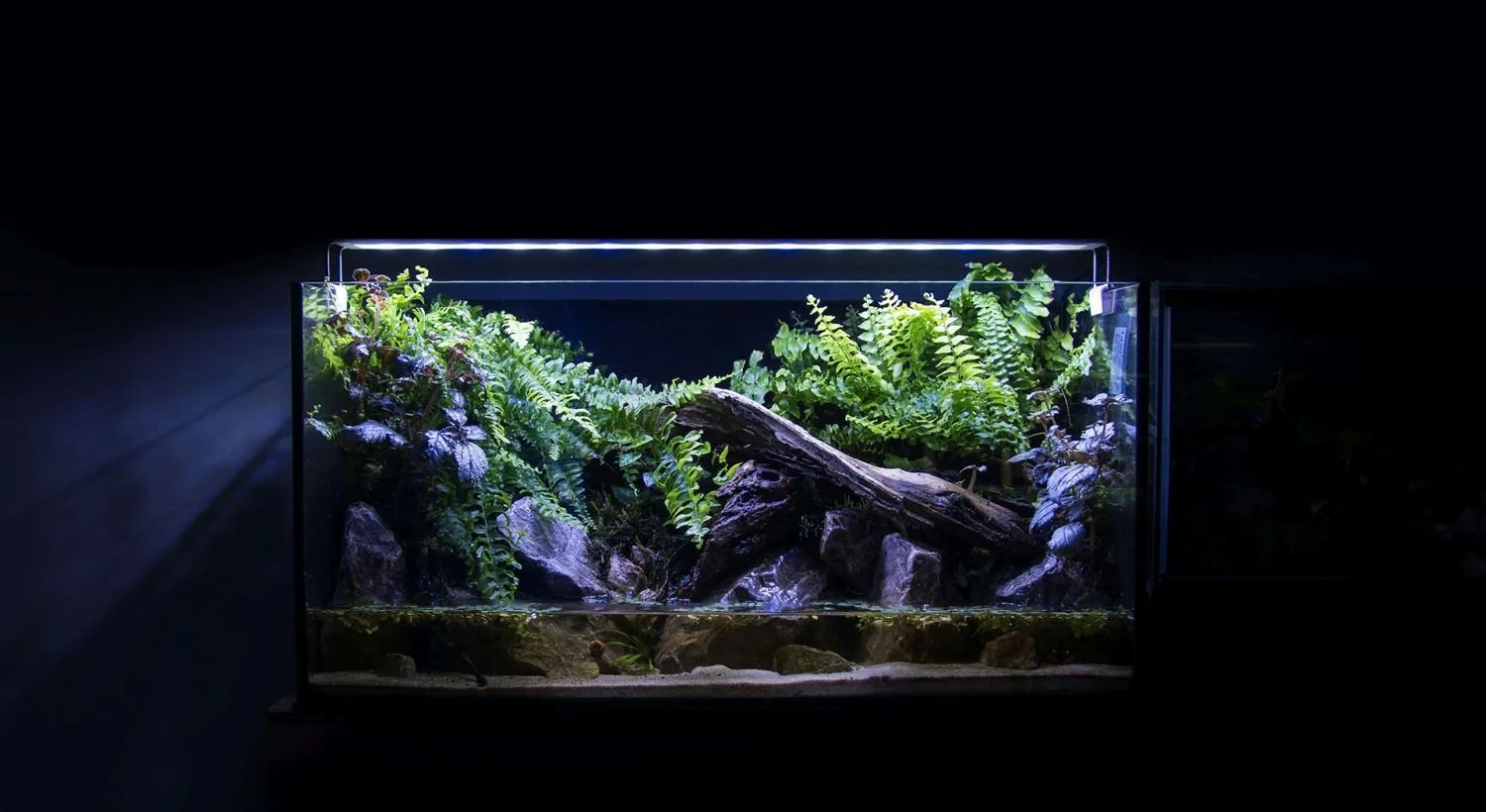
Vampire Crab Ecosystem Paludarium