
GECARCINUS RURICOLA CARE GUIDE - ZOMBIE LAND CRAB CARE
Author: Albomita
While Gecarcinus species can make excellent pets, it’s really important to know that not all species are equal in terms of difficulty. Some, like Gecarcinus ruricola, which this guide will focus on, are significantly more challenging to care for and not recommended for most hobbyists. You may also have seen some of these called “zombie land crabs”. If you are looking to keep one of the other Gecarcinus species, check out this guide instead.
It’s very important to note that G. ruricola is surrounded by misinformation when it comes to captive care. This guide cuts through the confusion and presents husbandry practices grounded in scientific research and extensive hands-on experience from keepers and researchers around the world.
Common Names
Gecarcinus may also be referred to as:
Blackback or Halloween Crab
Moon Crab or Halloween Moon Crab
Zombie Land Crabs
Satanic Land Crab
Graveyard Crab
Members of the species:
Gecarcinus lateralis – Commonly known as the Blackback or Halloween Crab

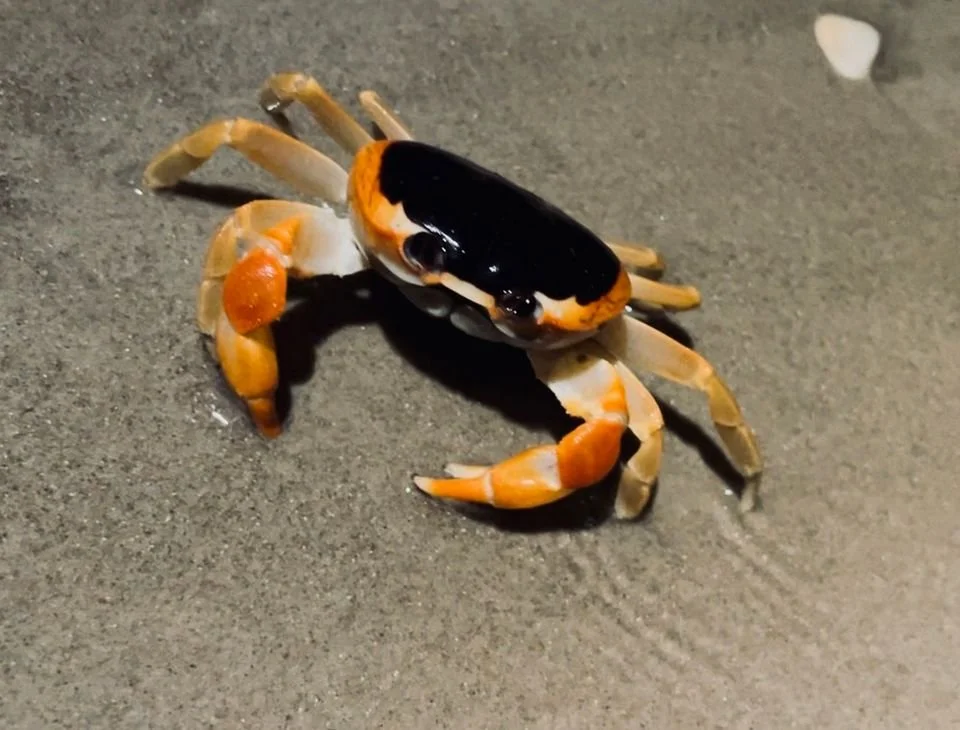

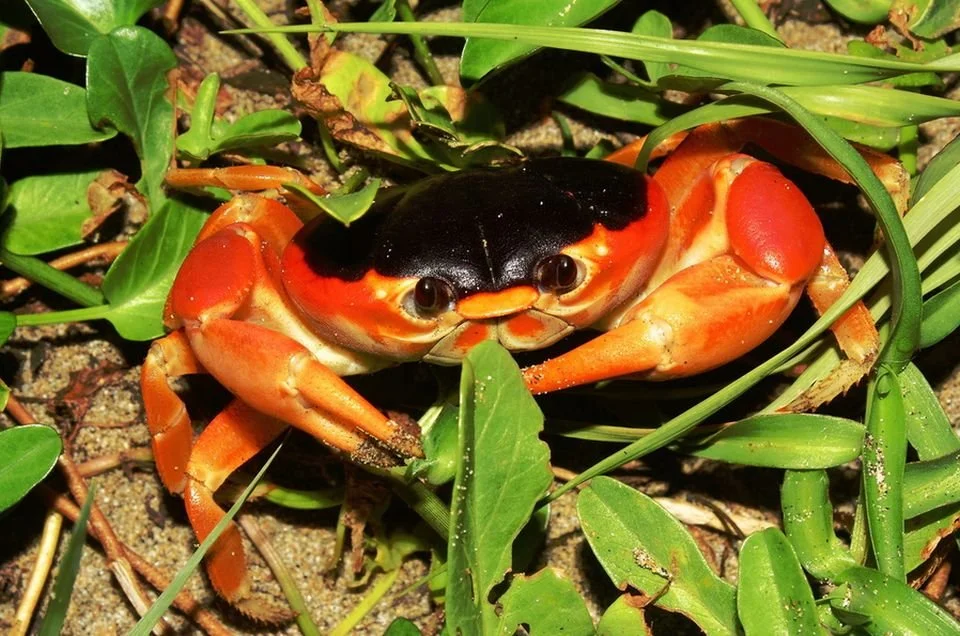
Gecarcinus quadratus – Also referred to as the Moon Crab or Halloween Moon Crab


Gecarcinus ruricola – Advanced; requires expert intervention


Conservation Level
Unknown – There is limited data on wild populations, so sustainable and ethical sourcing is recommended. Supporting reputable sellers who follow responsible collection practices is important to minimise environmental impact.
Care Level
Dark Method: Advanced
Love Method: Impossible
⚠️ Note on Gecarcinus ruricola:
This species is incredibly difficult to care for. Even advanced dark method setups often fail to support them long-term. If you already own one and need help, message @hjfabre or @albomita directly on Discord for specialised support. Otherwise, please do not purchase this species unless you are deeply experienced.
The Dark vs Love Methods Explained
Enclosure and Environment
Tank Size: A bin around 3x the size of the crab. Bigger enclosures are not better and may result in a death because of it.
Temperature: 24–27°C / 73–80°F
Humidity: 80%
Water Type: Freshwater with a salty diet, or rotate a freshwater bowl with a brackish one monthly.
Water Flow: None required
Lighting: Low to dim level lighting will be sufficient for this species.
Behaviour: Aggressive
Note: This crab NEEDS to be bare bottom. They will die if given any organic substrate.
Substrate
Gravel, crushed coral, bare bottom. Anything that does not allow the crab to burrow or dig. This crab NEEDS to be bare bottom. They will die if given any organic substrate. You have probably seen this species kept on coconut fibre and similar substrates, but that is a disaster waiting to happen so avoid this at all costs. It’s simple enough to use crushed coral, so you might as well do things properly.
Cohabitation
Not recommended. It will occasionally work, but it’s luck-based.
Diet
Feed a balanced diet of vegetables, fish pellets, and shrimp.
⚠️ Offer a diverse and balanced diet to ensure proper growth and health. Include both plant and protein sources.
Breeding
No captive breeding data is currently available for this species
Data Source
The information in this guide was kindly researched and compiled by the team at Crustacean Council.