
GECARCINUS CARE GUIDE
Author: Albomita
Gecarcinus is a genus of semi-terrestrial, brackish crabs native to the Caribbean, Central America, and parts of South America. These crabs are commonly found in coastal forests, mangroves, and even in suburban areas where they burrow near freshwater sources with access to the sea. In the pet trade, they are a popular and widely available genus due to their vivid colouration, hardy nature, and engaging behaviour.
IMPORTANT UPDATE: lateralis, nobilii, and quadratus are all now known under the genus Hartnollius instead of Gecarcinus.
While Gecarcinus species can make excellent pets, it’s really important to know that not all species are equal in terms of difficulty. Some, like Gecarcinus ruricola, are significantly more challenging to care for and not recommended for most hobbyists. This care guide focuses on the general husbandry for G. lateralis and G. quadratus, with a cautionary note about G. ruricola.
You may also have seen some of these called “zombie land crabs”
Members of the species:
Formerly: Gecarcinus lateralis – Commonly known as the Blackback or Halloween Crab
Updated: Hartnollius lateralis - Commonly known as the Blackback or Halloween Crab

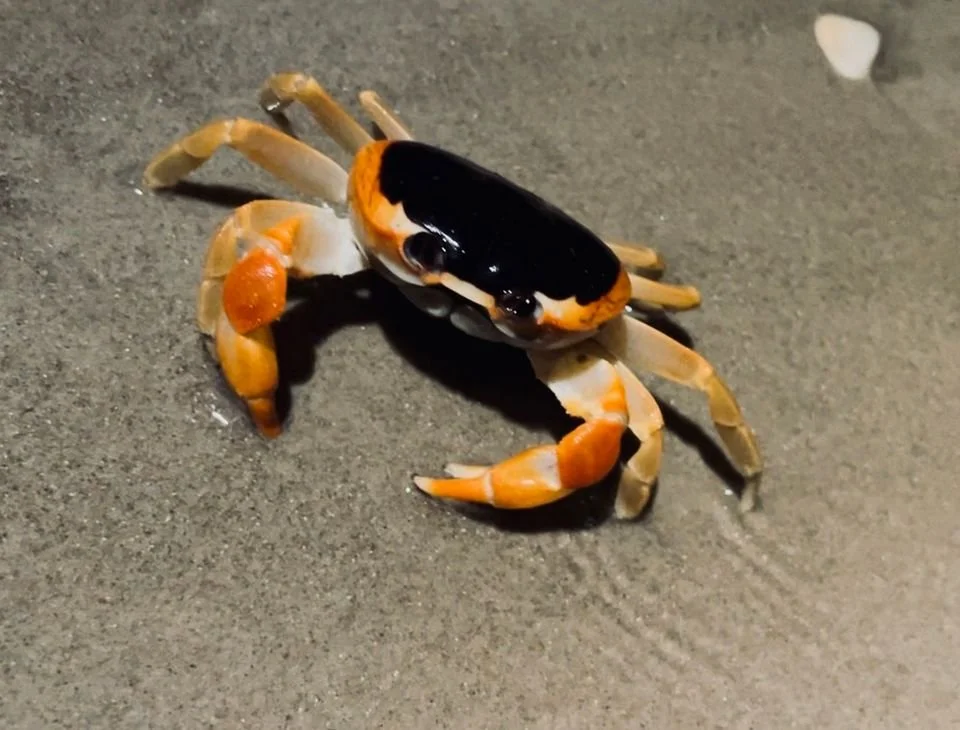

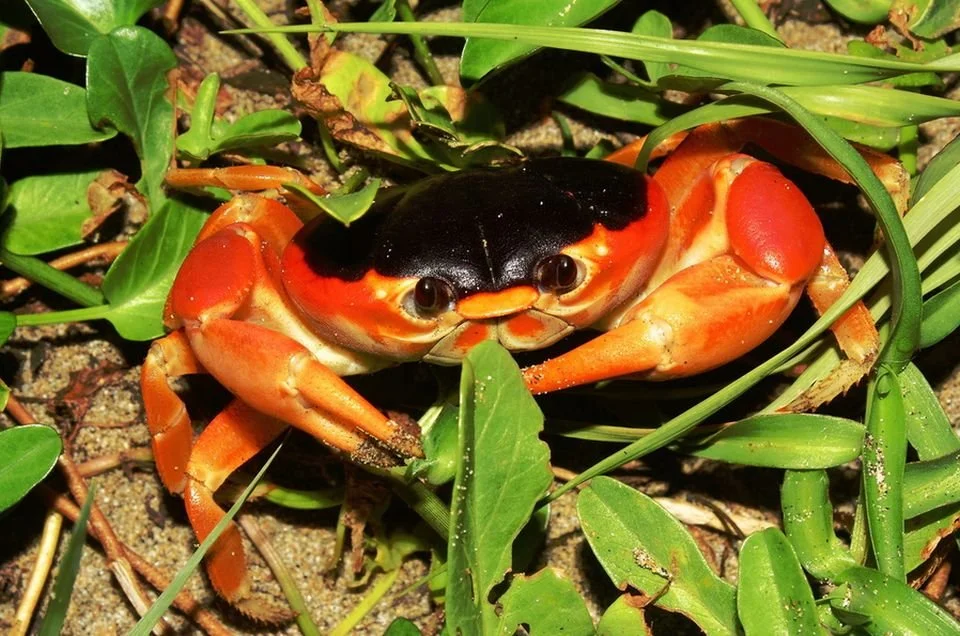
Formerly: Gecarcinus quadratus – Also referred to as the Moon Crab or Halloween Moon Crab
Updated: Hartnollius quadratus – Also referred to as the Moon Crab or Halloween Moon Crab


Gecarcinus ruricola – Advanced; requires expert intervention


Care level
Dark method: beginner, advanced for ruricola.
Love method: beginner for lateralis and quadratus. Impossible for ruricola


This is for **ALL** except ruricola.
⚠️ Note on Gecarcinus ruricola:
This species is incredibly difficult to care for. Even advanced dark method setups often fail to support them long-term. If you already own one and need help, message @hjfabre or @albomita directly on Discord for specialised support. Otherwise, please do not purchase this species unless you are deeply experienced.
⚠️ Note on Hartnollius lateralis: It lives twice as long in dark methods, there are multiple 10+ year crabs now in a dark method, whereas the imports that were put in a love method tank have all died.
The Dark vs Love Methods Explained
Enclosure and Environment
(Applies to G. lateralis and G. quadratus only)
These crabs are semi-terrestrial and require a setup that mimics their natural coastal environment. They need both dry land and access to brackish water, with humidity and temperature levels kept stable.
Minimum Enclosure Size: 90x45x40 cm (36x18x16 in)
Temperature: 27°C / 80°F
Humidity: 80% – Maintain via misting and a moisture-retentive substrate
Salinity: 1.010 SG (~15 ppt) – Use marine salt in the water bowl
Lighting: Provide a natural day-night cycle.
Provide deep substrate for burrowing and hiding, and a large enough water bowl to soak in but not deep enough for drowning.
Substrate
Any substrate is fine. Soil is probably best or 4:1 cocofiber and sand.
Important: Gecarcinus ruricola: NEEDS to be bare bottom. They will die if given any organic substrate.
Cohabitation
Not recommended - These crabs are territorial and solitary in captivity. While they may appear peaceful at times, conflicts can arise suddenly, especially during molting. If cohabitating, provide ample space, multiple hides, and plan for quick separation.
Diet
Gecarcinus species are omnivorous and require a varied diet to stay healthy. A mix of proteins and plant matter mimics their natural foraging habits. Feed a balanced diet of vegetables, fish pellets, and shrimp.
Data Source
The information in this guide was kindly researched and provided by the team at Crustacean Council.