
OCYPODE CARE GUIDE - Ghost Crab Care Guide
Author: Albomita
Ocypode is a genus of ghost crabs commonly found on sandy shores in tropical and subtropical regions worldwide. They are easily recognised by their boxy body shape, long and thick eyestalks, and asymmetrical claws, one claw is noticeably larger than the other in both males and females. These crabs live in deep burrows within the intertidal zone, emerging mostly at night. As nocturnal generalists, they scavenge and hunt small animals. The genus currently includes 21 known species.
IMPORTANT: Ocypode quadrata, the American ghost crab, can’t be kept. It has yet to ever survive winter in captivity. This is considered to be because of a hibernation period, but for now, it is impossible to keep.
Common Names
Ocypode may also be referred to as:
Ghost Crab
Common Ghost Crab
Beach Crab
Sand Crab
Members of the Species

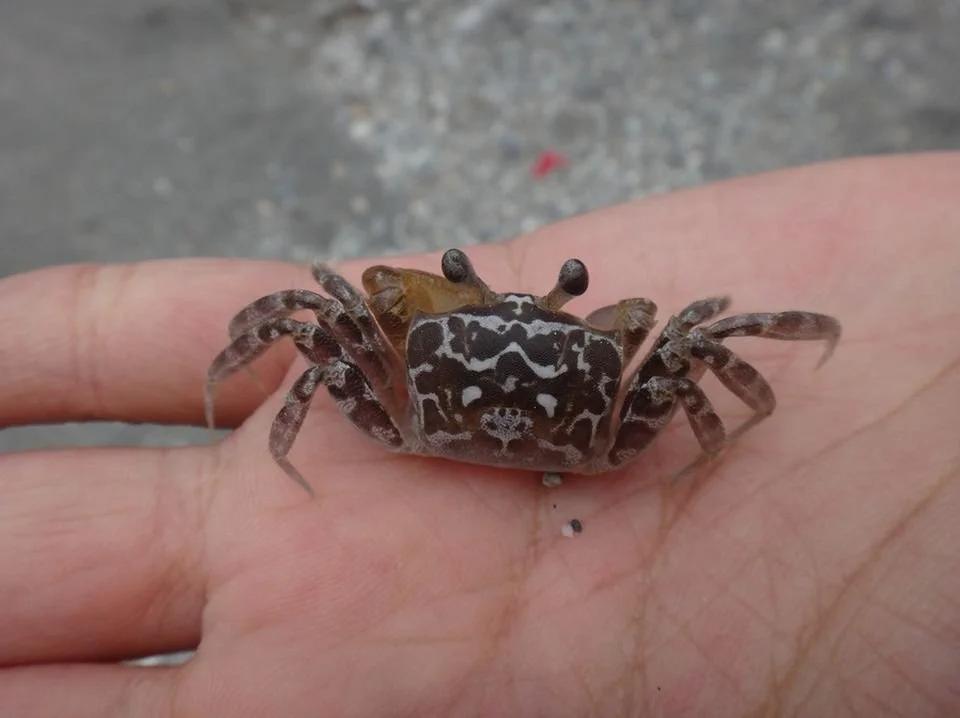


Ocypode quadrata, the American ghost crab, can’t be kept. It has yet to ever survive winter in captivity. This is considered to be because of a hibernation period, but for now, it is impossible to keep.
Conservation Level
Unknown – There is limited data on wild populations, so sustainable and ethical sourcing is recommended. Supporting reputable sellers who follow responsible collection practices is important to minimise environmental impact.
Care Level
Dark Method: This approach requires brackish water at a salinity of 1.015 and non-acidic substrates. Bone coral and sea sand are the most suitable options. Since ghost crabs are land molters, water levels should be kept low. Maintaining a clean environment is more challenging than with some other land-molting species, but not as difficult as often assumed. They can successfully molt in dark, humid areas if those basic conditions are met. A minimum tank size of 20×20×20 cm is required.


Love Method: This method focuses on allowing natural behaviors. The basics are simple, you’ll need a large amount of fine sand, ideally at least 25 cm deep, to let the crab dig a burrow where it can molt and rest. The sand should be moist with brackish water; test it by squeezing if it holds its shape, it's perfect. Australian white desert sand is highly recommended for its density and water retention, though fine sea sand or coral sand can also be used. The substrate must be clean, so planting a few halophytes can help maintain balance. A minimum tank size of 30×30×30 cm is recommended, and the deeper the substrate, the better.


Enclosure and Environment
Ocypode species, often known as ghost crabs, are native to sandy beaches and brackish coastal areas around the world. To replicate their natural environment in captivity, their enclosure should simulate a shoreline ecosystem.
Tank Size: Minimum 20x20x20 cm / 8x8x8 in
Salinity: 1.015
Temperature: 24–27°C / 75–80°F
Water Flow: Not required, but if you can master it, create some sort of shoreline wave system
Lighting: A natural day-night cycle is best, and any aquarium light will be enough to keep them happy
Behaviour: Aggressive
Substrate
Bone coral or sea sand
Cohabitation
Considered impossible. These are extremely aggressive crabs and will eat anything they can catch.
Diet
Feed a balanced diet of vegetables, fish pellets, and protein.
⚠️ Offer a diverse and balanced diet to ensure proper growth and health. Include both plant and protein sources.
Breeding
No captive breeding data is currently available for this species
Data Source
The information in this guide was kindly researched and compiled by the team at Crustacean Council.