
WHY DO VAMPIRE CRABS LOSE COLOUR?
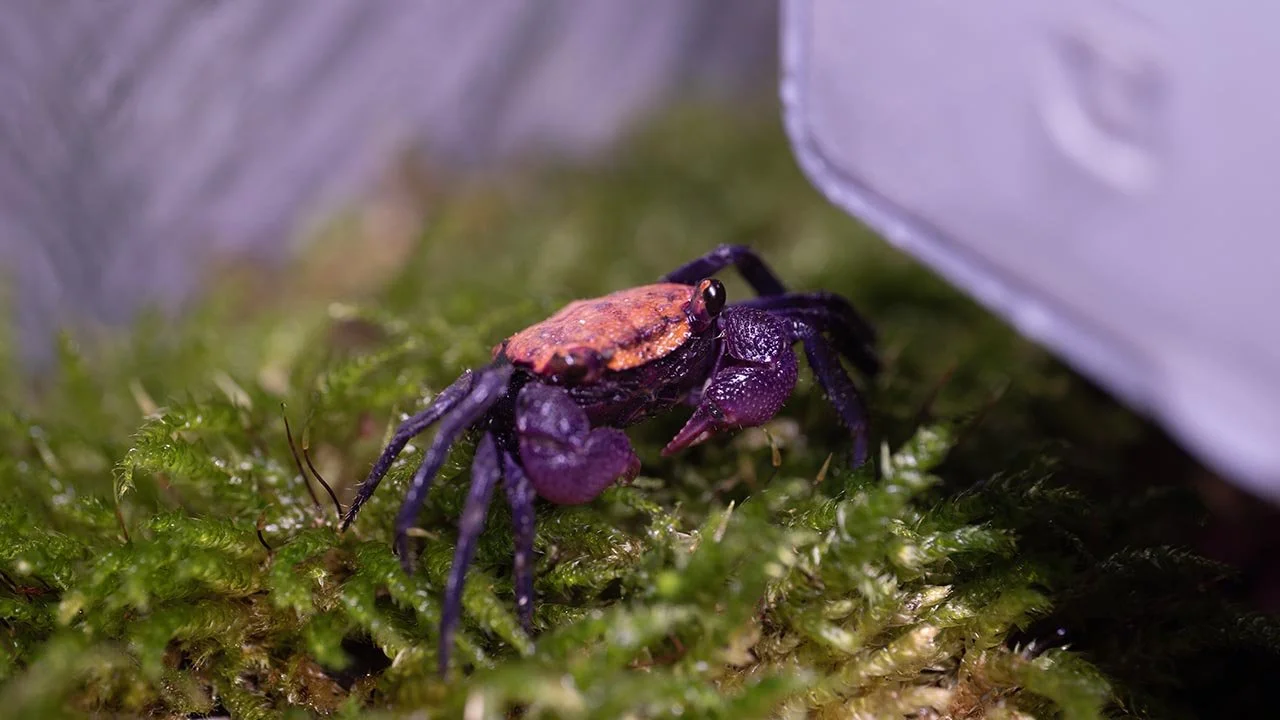
Geosesarma halloween
Vampire crabs are known for their bright, quirky colours, but sometimes they may lose their vibrancy. This change can be caused by several factors, including their environment, health, and care practices. The most important thing is to pay attention to your crabs and the ecosystem you created. Some issues are environmental.
Stress
Vampire crabs are highly sensitive to environmental changes. Common stressors include:
Poor water quality (e.g., high ammonia or nitrite levels).
Fluctuating temperatures.
Aggressive tank mates or overcrowding.
When stressed, crabs may lose their vibrant colours as part of their physiological response. To prevent this:
Maintain stable water conditions and a suitable temperature range (75–82°F or 24–28°C).
Provide hiding spots and minimise disturbances.
Note: If you have recently acquired your crabs poor colouration is quite normal. That said, Vampire Crabs are also very negatively affected by shipping and transport, so it could be a sign of impending death. Sadly, Vampire Crabs have a more than 50% fatality rate when shipped.

Lighting (Cosmetic)
Lighting plays a significant role in enhancing the natural colouration of vampire crabs. While this is purely a cosmetic element your aquarium light spectrum may be altering the colour appearance of your crabs. Some high-end aquarium lights are designed to make plants grow and look better but this may also make your crabs look a little different. So if you do have a light that has adjustable colour profiles you may want to tweak them a little.
Note: Vampire Crabs do not need special UV lighting to be happy in captivity. Any aquarium light will work fine so long as it is able to grow your plants well.

Nutritional Deficiencies
Diet significantly impacts the health and colouration of vampire crabs. Nutritional problems include:
Lack of carotenoids: These pigments are essential for maintaining vibrant colours. Foods rich in carotenoids include spirulina, krill, and certain vegetables like carrots.
Unvaried diet: Feeding only one type of food (like pellets) can lead to deficiencies. While this starts with colouration issues it can eventually lead to death. Usually by failed molts. So it’s important to give your crabs a mixed diet.
Diet Tips:
Offer a variety of foods, including algae, detritus (leaf litter, etc), commercial pellets, fresh vegetables, and occasional protein sources.
Use high-quality, colour-enhancing crab foods as a supplement.
Molting
Molting is a natural process where crabs shed their exoskeleton to grow. During this time:
After they have molted their new exoskeleton may appear pale or translucent. It can take a few days to weeks for the colours to fully return after the molt.
The same thing can happen just before molting as they prepare to shed their old shell.
Provide a stress-free environment and proper nutrition during this time to support recovery.
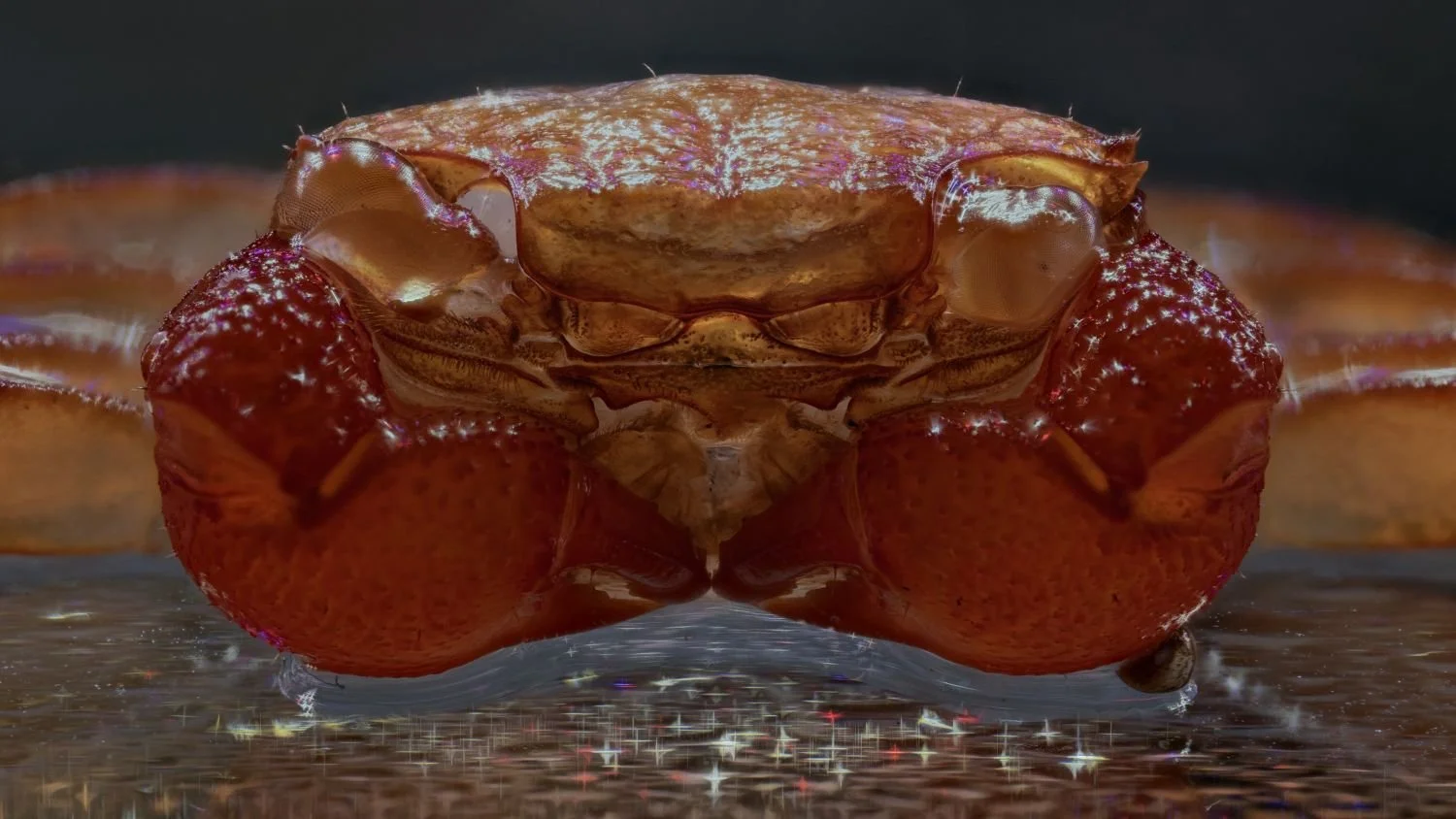
A Vampire Crab molt
Health Problems
Illnesses and parasites can cause vampire crabs to lose colour. Symptoms of health issues may include:
Lethargy or unusual behaviour.
Visible parasites or discolouration spots.
Vampire Crab illnesses and parasites aren’t well known or studied so it’s a bit of a guessing game. However, garlic-infused foods may help reduce issues if you suspect you have a parasite problem.
Aging
As vampire crabs age, a gradual fading of their colours is natural. While this process is irreversible, you can still maintain their quality of life by addressing other care factors. Vampire Crabs only live for about 2 to 2.5 years max and near the end of their lives they quite often lose some of their colouration.

How to Maintain Vibrant Colours in Vampire Crabs
To keep your vampire crabs healthy and colourful here are the basic rules you need to follow. You’ll find an in-depth guide on all of those points here.
Monitor the environment: Regularly test and maintain water parameters.
Provide a balanced diet: Include carotenoid-rich and varied food sources.
Create a natural habitat: Use proper lighting and ample hiding spots.
Observe regularly: Watch for signs of stress, illness, or molting.