
THE BEST SUBSTRATE AND SOIL FOR VAMPIRE CRABS

What's the best soil and substrate for Vampire Crabs?
I get asked this question all the time! What’s the best soil and substrate to use for vampire crabs? So, in this short guide, I’m going to give you an overly detailed explanation of what works best for Geosesarma vampire crabs and what stuff is a total waste of time and money. This is real-world knowledge I’ve collected over the years, keeping almost 10 different species of vampire crab.
The difference between substrate and soil
Substrate: This is the drainage layer that goes at the bottom of the tank and underneath the soil layer. Traditionally clayballs (Leca) or crushed lava rock are used for this. However, people will also sometimes use filter foam.
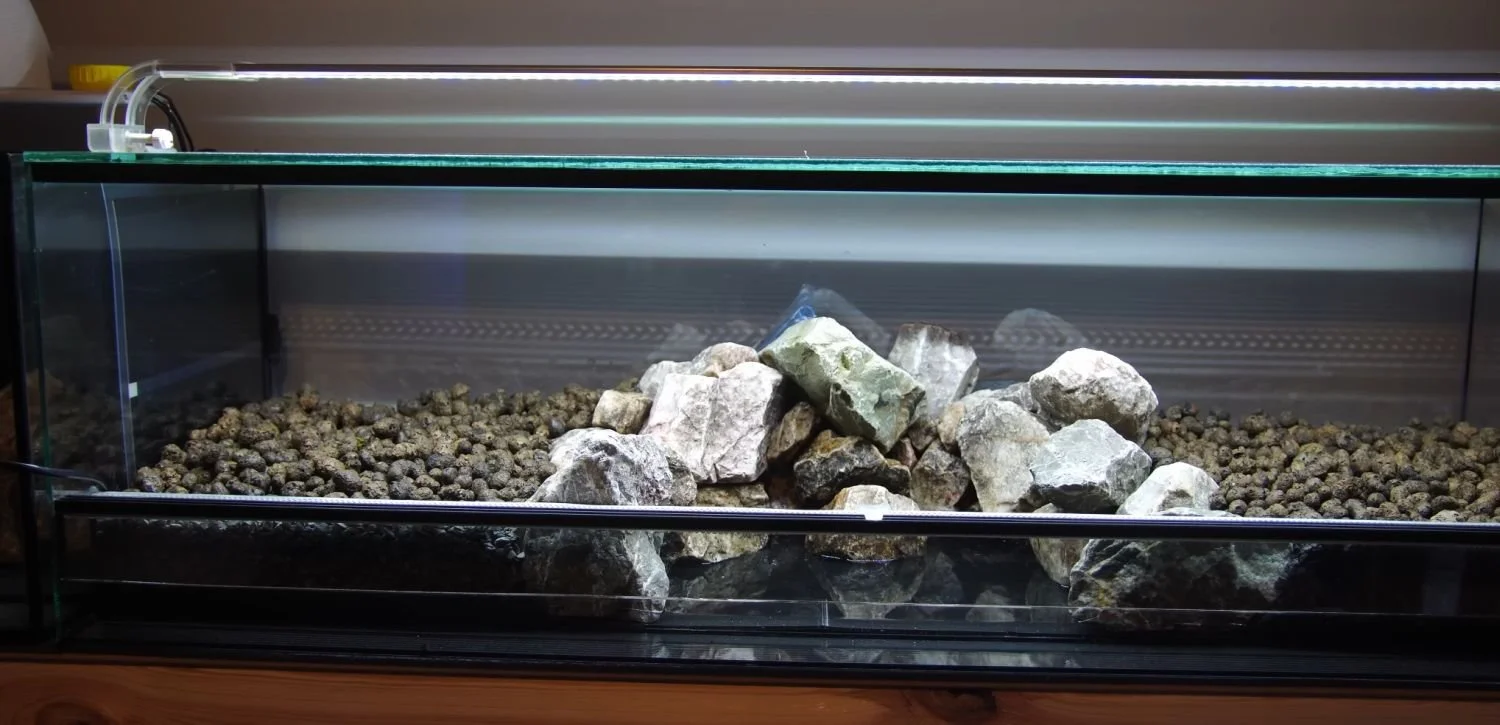
Clayballs (Leca) is the best substrate: It's light and inexpensive
Soil/Dirt: This is pretty straight forward but! As a lot of people are used to aquascaping terminology they call the soil layer substrate. Which might seem a little confusing. But they are actually referring to the soil layer of the ecosystem. In a lot of ways the term is dual use though so you may need to apply context to the situation.
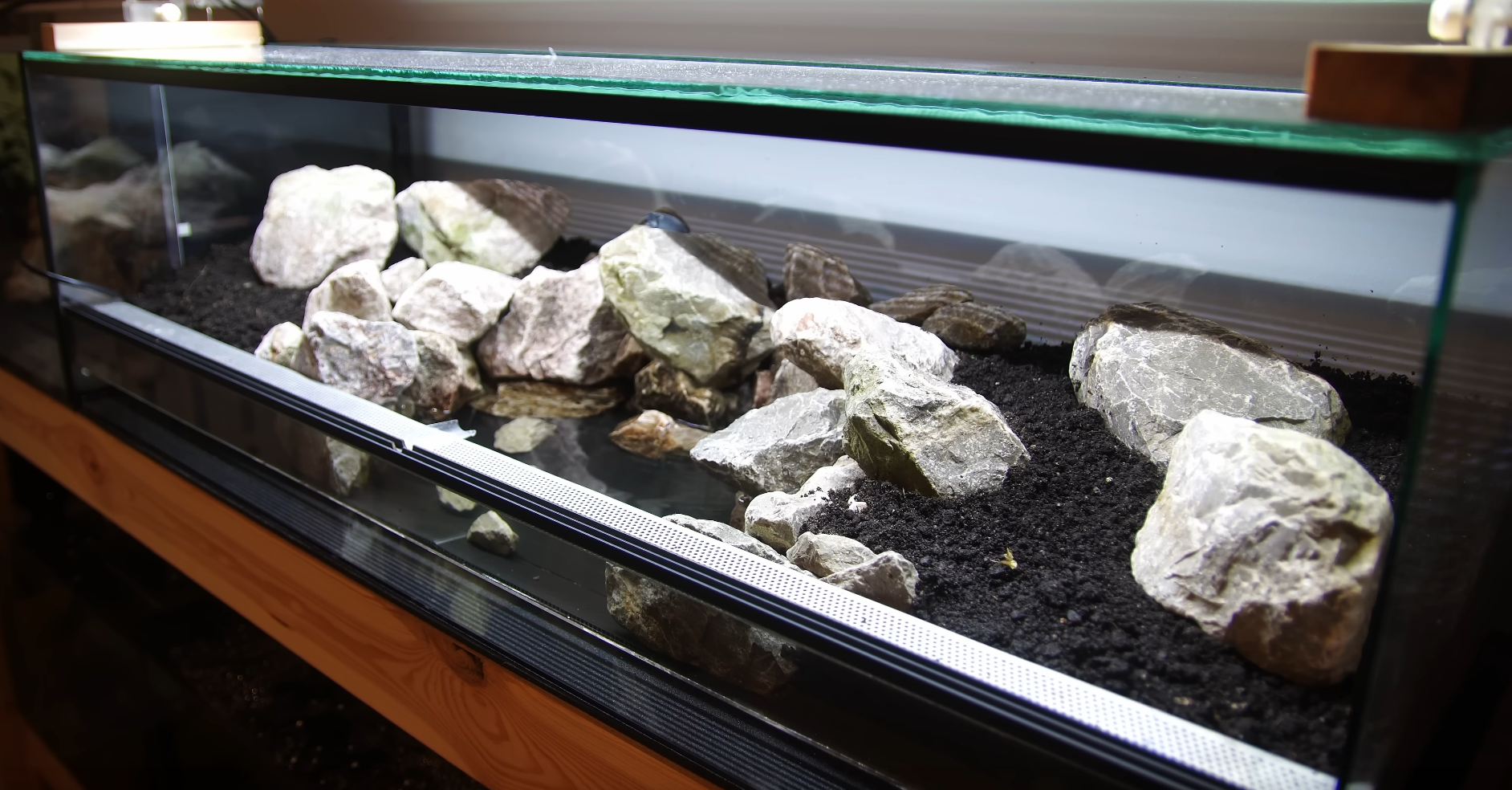
Good old fashioned DIRT!
What is THE BEST SUBSTRATE AND SOIL FOR VAMPIRE CRABS?
Since vampire crabs spend 99% of their time on land, the soil used in their paludarium plays a huge role in their day-to-day life. They need soft, natural materials that mimic the forest floors and riverbanks of their native habitats. The right soil should allow for digging and burrowing, retain moisture without waterlogging, and provide a stable structure for climbing or hiding. It doesn’t get any more simple than that!
Best Substrates and Soils for Vampire Crabs
Plain Soil/Dirt
Best Option: Plain soil or dirt is the best and most natural option for vampire crabs. It closely replicates their natural environment and provides them with a soft, diggable surface. Avoid fancy commercial mixes and keep things simple—natural dirt is what they prefer.
Source: You can use soil straight from the garden or the forest floor, as long as you're confident it hasn’t been contaminated with chemicals, pesticides, or fertilizers. This is the best possible soil you can use, though it does come with the risk of pests so be aware of that if you live in an area that might be home to soil-dwelling spiders and centipedes.
Patches of Clay or Soil-Clay Mix
Adding patches of clay or a mix of soil and clay in the paludarium works well. This gives the crabs a varied terrain, which is more enriching and natural. Clay also helps retain moisture, which is important for maintaining the right humidity level in the enclosure. I wouldn’t make an ecosystem using just one option but making small areas of each is a good idea.
What Substrates and Soils to Avoid when Keeping Vampire Crabs
While there are many commercial substrates available, not all of them are suitable for vampire crabs. Here's what you should avoid. Some are just wasted money while others can reduce breeding success.
Fancy Soil Mixes (e.g., ABG Mixes)
Many reptile or amphibian enthusiasts use ABG (Atlanta Botanical Garden) mixes, which include various materials like bark, charcoal, and moss. However, these mixes are overly complex and unnecessary for vampire crabs. Stick to plain soil or dirt for the best results. If you have a specific plant that requires them feel free to use it, though just stick to the area around the specific plant. It’s wasted elsewhere.
Soils or Potting Mixes with Fertilizers
Any soil or potting mix that contains fertilizers is harmful to vampire crabs. Fertilizers can introduce chemicals that are dangerous for crabs, affecting their health and potentially leading to fatalities. Always choose a natural, untreated soil.
Aquasoils
Aquasoils should be avoided because they are generally quite acidic which reduces the chances of Geosesarma species breeding. It’s also almost impossible for vampire crabs to burrow into as it collapses and doesn’t hold structure. It’s also far too expensive to be wasted like this.
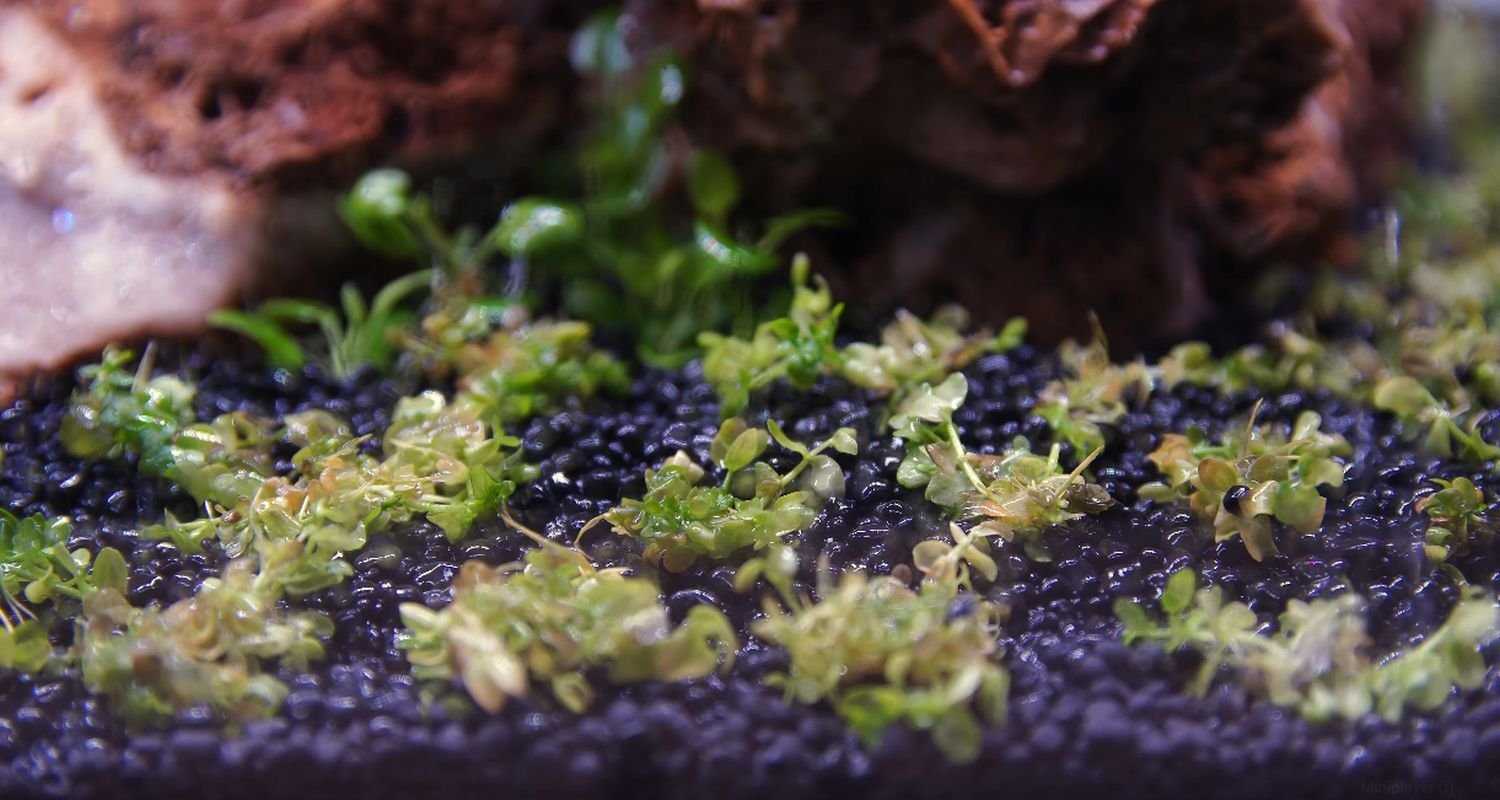
Aquasoil isn't the best choice for vampire crab ecosystems
Sands and Gravels
Sand and gravel do not retain enough moisture and can be too abrasive for vampire crabs. These materials lack the ability to hold the structure that is needed for burrowing, and they can dry out quickly. Both of these are ideal for the aquatic section of your ecosystem though so don’t discard them altogether.
Why Garden or Forest Soil is Ideal
Natural soil from your garden or a forest floor is an excellent choice, as long as you can confirm that it’s free of pesticides or contaminants. This type of soil is already part of a thriving ecosystem, providing a balanced environment with beneficial microorganisms that help maintain the health of the soil and crabs. Be cautious when sourcing soil from outdoor areas to avoid introducing harmful bacteria or pests.
Tips for Creating the Ideal Substrate Layer
Layering: Create a mix of plain soil and clay patches, offering varied terrain. This not only looks more natural but also provides different textures and areas for the crabs to explore.
Moisture Management: Make sure the soil holds enough moisture to maintain humidity without becoming too soggy. A good balance will help keep the crabs’ environment comfortable.
Depth: Provide a thick enough layer of soil at least 2-3 inches (5-10cm) for burrowing. There is no maximum limit though so you can go as deep as you want. Just don’t make it too shallow. Vampire crabs enjoy digging and creating hiding spaces, so a deep, natural substrate encourages this behaviour. It will also increase breeding Success.
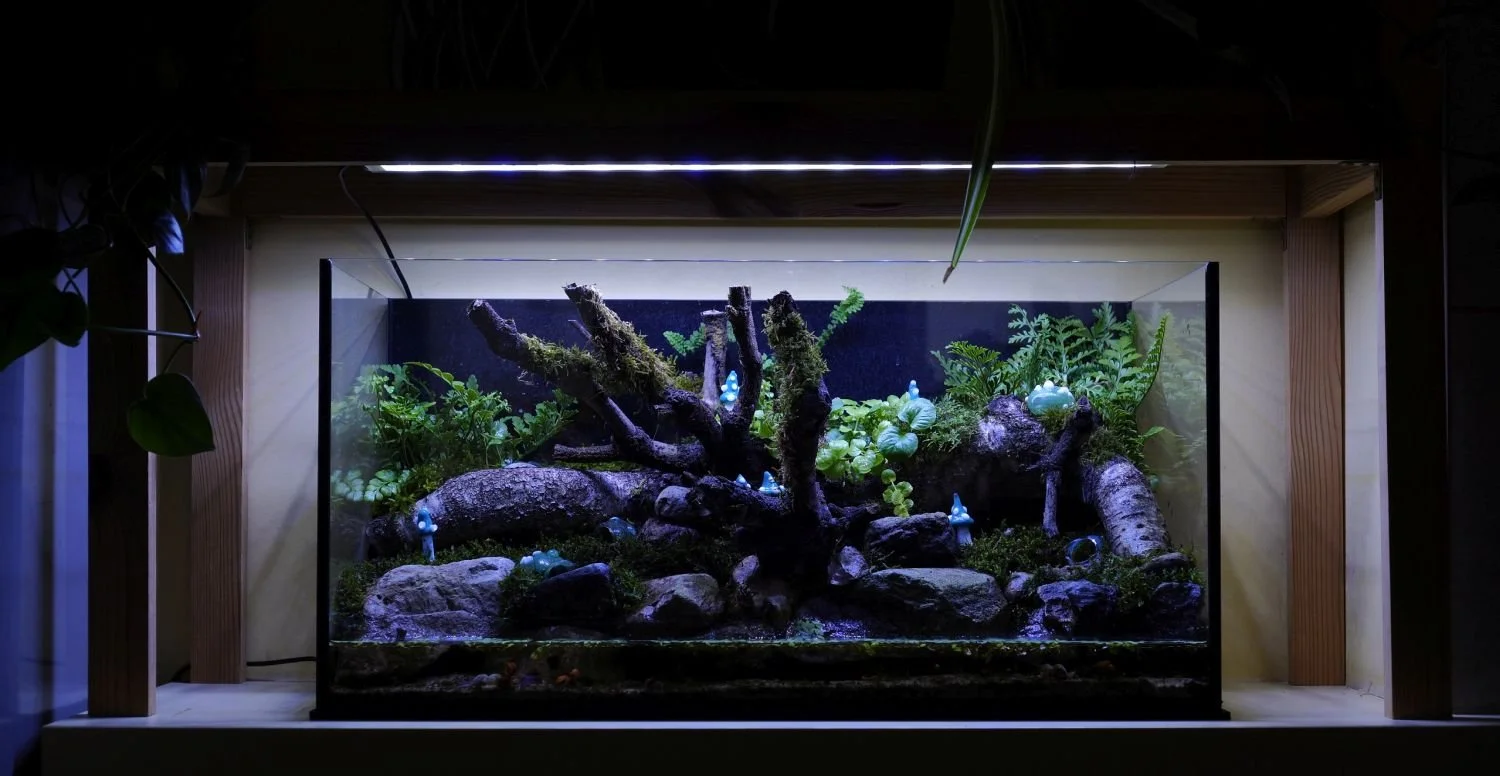
A soil and plant rich environment for vampire crabs. Don't forget a lid or they'll escape!
The Overview
The best substrate for vampire crabs is plain, natural soil or dirt, ideally sourced from your garden or a forest floor. Avoid any soils with fertilizers, aquasoils, or decorative sands and gravels. Adding patches of clay or soil-clay mixes will further enhance their habitat, mimicking the crabs' native environment. The image below is pretty much what you should be trying to replicate
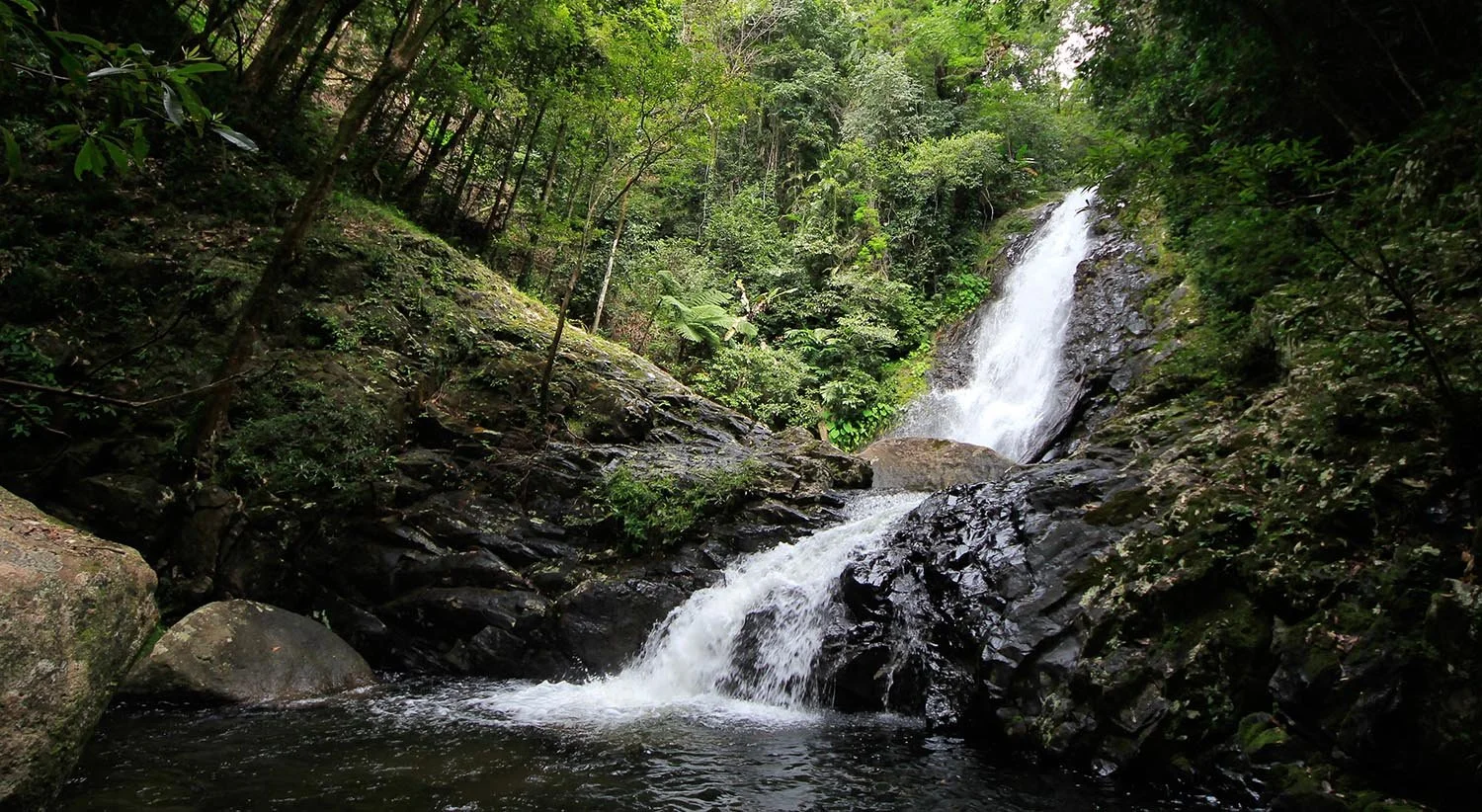
Vampire Crab natural habitat