
SUNDATHELPHUSA PHILIPPINA CARE GUIDE
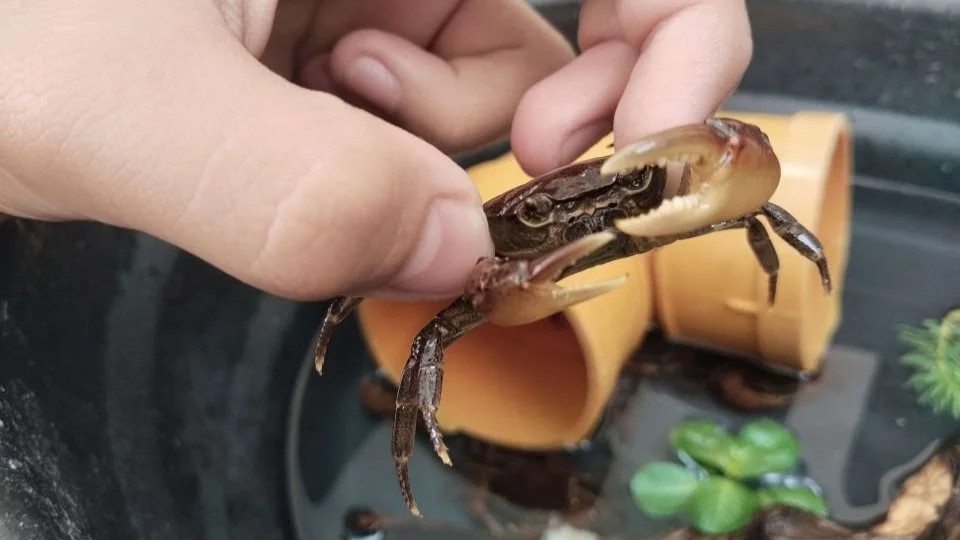
Sundathelphusa philippina
Author: Albomita
Sundathelphusa is a genus of freshwater crabs endemic to the Philippines, with some populations also found in parts of Indonesia. While widespread in their native habitat, these crabs are rarely, if ever, seen in the international pet trade. They are more commonly kept by local aquarists and researchers in Southeast Asia.
Their adaptability to moderate and fast-flowing freshwater systems, combined with peaceful social behaviour, makes Sundathelphusa philippina an excellent candidate for group aquariums and river-style biotope tanks.
Common Names
Sundathelphusa philippina may also be referred to as:
Philippine river crab
Sundathelphusa freshwater crab
Filipino freshwater crab
Native Philippine crab
Members of the Species
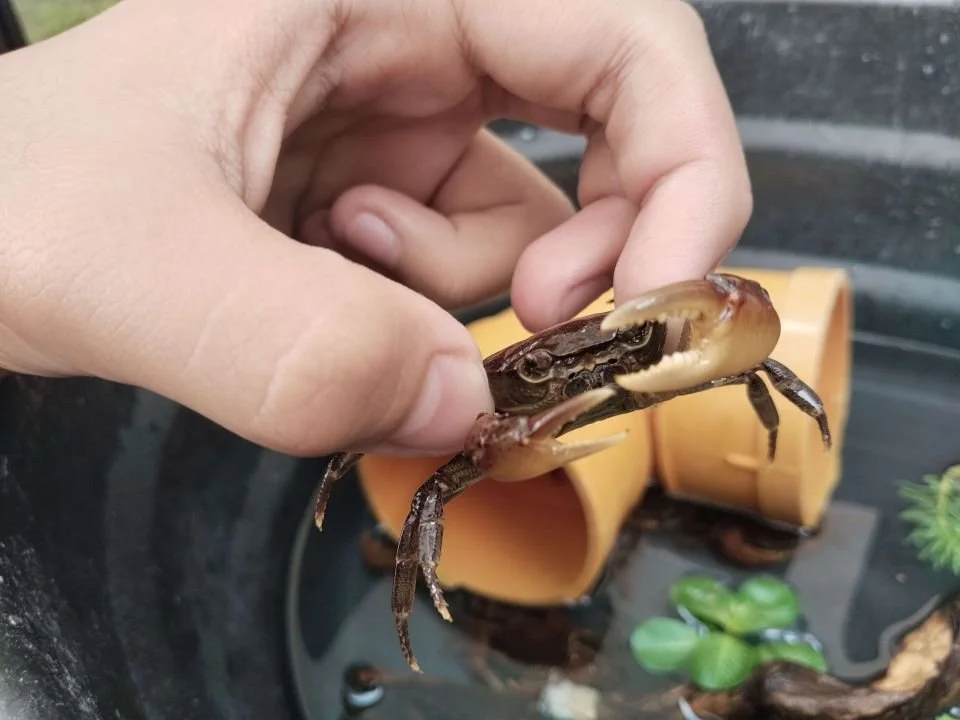
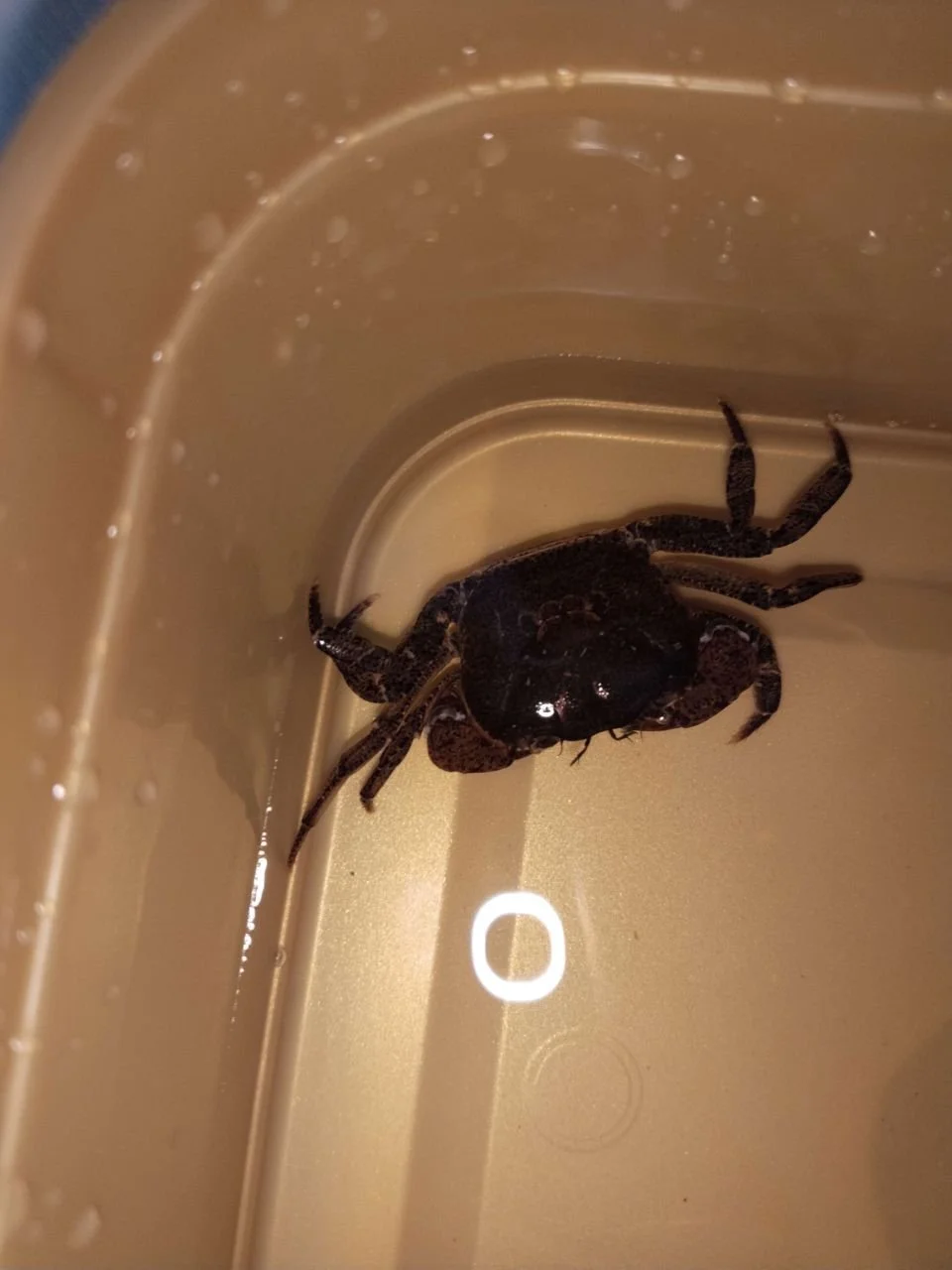
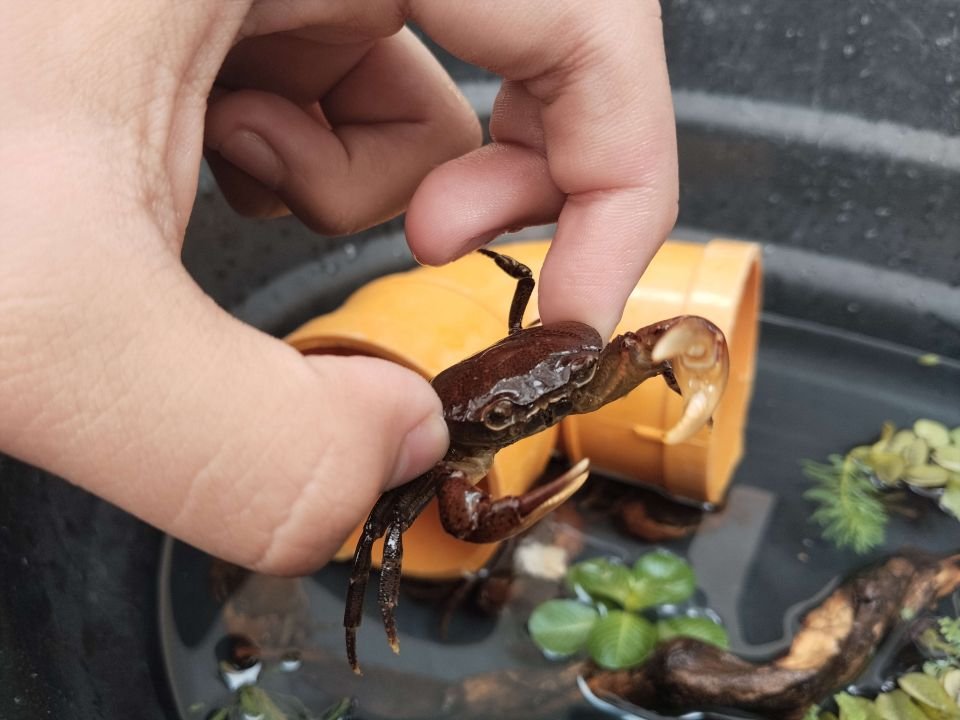
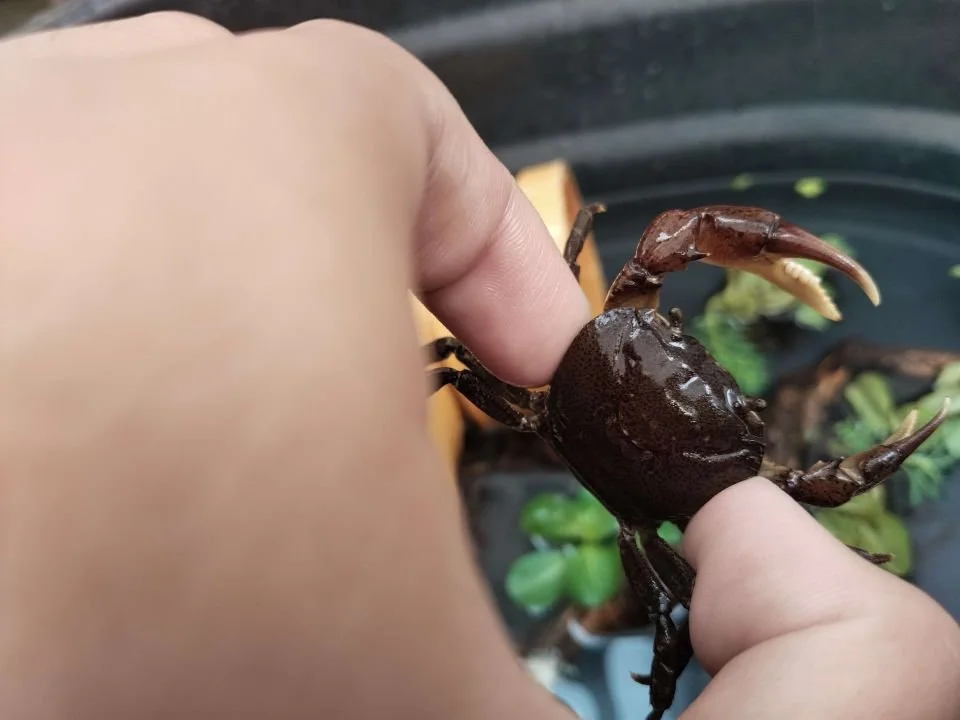
Sundathelphusa philippina (Pictures coming soon, hopefully!)
Conservation Level
Least Concern
This species is not currently under threat in its natural habitat and enjoys a stable population. Nonetheless, wild collection should still be done ethically and sparingly, with a focus on habitat preservation.
Care Level
Easy
This species thrives in stable, well-oxygenated tanks. It is peaceful, undemanding, and does well in both solo and group settings. Its tolerance for varied tank mates makes it well-suited for beginner aquarists with freshwater experience.
Enclosure and Environment
Sundathelphusa crabs are exclusively aquatic and naturally inhabit streams and rivers with moderate to fast flow. Mimicking this environment is key to long-term health and activity.
Tank Size: Minimum of 1 gallon (approx. 4 litres) per crab; more space is better, especially in community setups
Temperature: 27°C / 80°F
Humidity: 80% (for aquaria with open tops or emergent zones; otherwise not critical in sealed tanks)
Water Flow: Moderate to strong current preferred
Lighting: Natural day-night cycle; no special lighting required
Use a secure lid if the tank includes driftwood or tall structures these crabs are not known escape artists, but it’s best to be cautious.
Substrate
Use pea gravel or medium-grit sand. These substrates allow for natural foraging behaviour and ensure a safe walking surface without risking injury or instability.
Cohabitation
Naturally communal: Can be housed in groups of the same species
Tank mates: Safe with shrimp, nano fish, and snails
Behaviour: Peaceful; shows little to no aggression in appropriate setups
Enrichment: Provide hiding spots and flow breaks to support natural behaviours
Diet
Sundathelphusa philippina is an omnivore with a preference for plant-based foods and detritus. A varied diet ensures optimal health.
Staple Foods:
Blanched vegetables (zucchini, spinach, kale)
Sinking fish pellets
Dried Indian almond leaves (catappa) for grazing and water conditioning
Supplements:
Occasional shrimp (frozen or fresh)
Biofilm and algae naturally occurring in the tank
Sexual Dimorphism
Not clearly documented for this species. Further study or observation may reveal abdominal shape differences similar to other freshwater crabs.
Breeding
No known successful captive breeding of Sundathelphusa philippina has been documented outside of their native range. They may breed communally under ideal conditions, but data is limited.
Data Source
The information in this guide was kindly researched and compiled by the team at Crustacean Council, with reference to aquarist observations and native biotope studies.