
SIAMTHELPHUSA RANONGENSIS CARE GUIDE
Siamthelphusa ranongensis
Author: Albomita
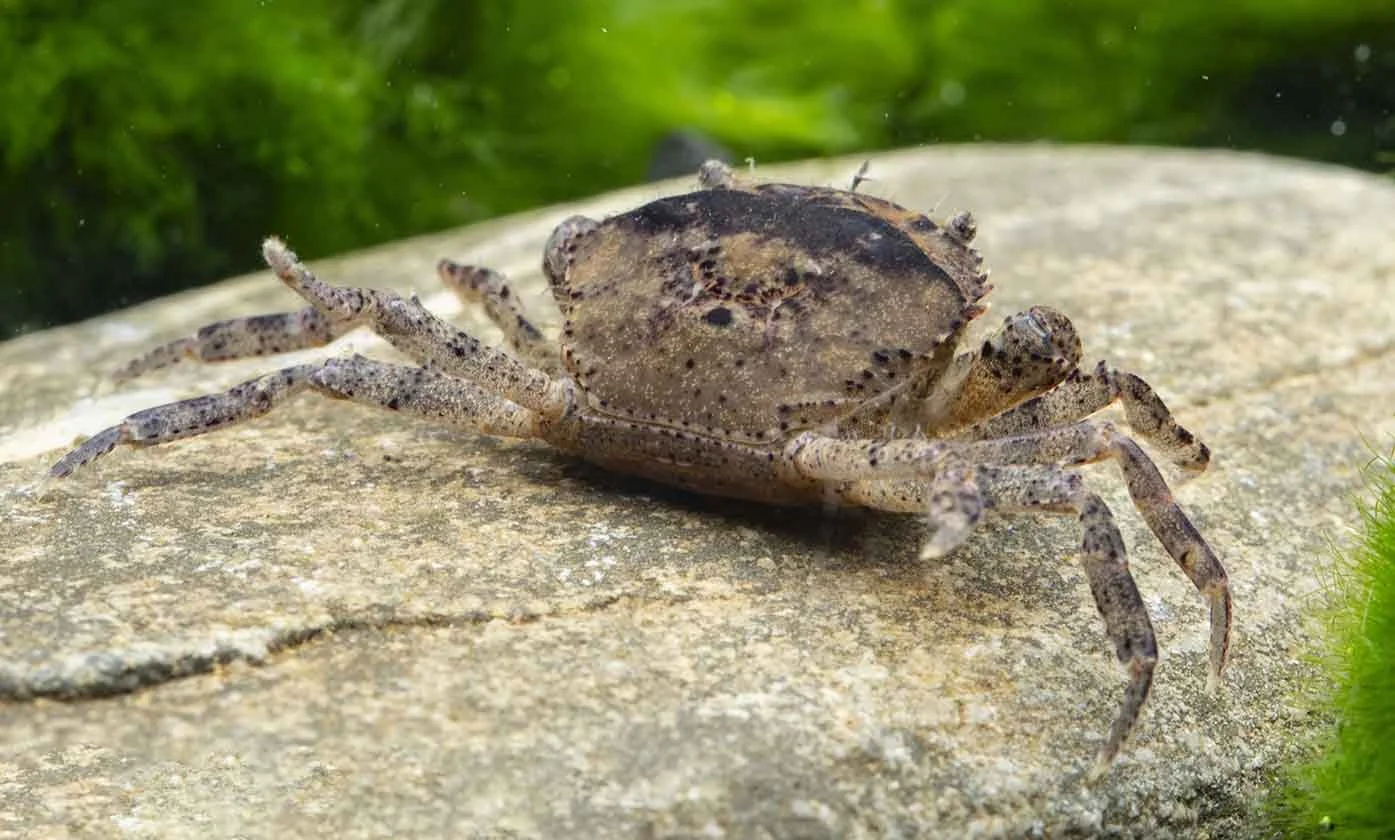
Siamthelphusa is a small genus of fully aquatic freshwater crabs native to Southeast Asia, particularly Thailand and Malaysia. The most commonly seen species in the hobby is Siamthelphusa ranongensis, occasionally sold under the synonym Mekhongthelphusa. These peaceful crabs inhabit vegetated, gently flowing river systems like the Mekong and are well-suited for beginner aquarists due to their small size, low aggression, and compatibility with community tanks.
They are understudied, especially in terms of captive reproduction, so efforts to observe and record their behaviour in aquaria could contribute valuable information to the hobby and scientific communities alike.
Common Names
Siamthelphusa ranongensis is also referred to as:
Mekhongthelphusa
Mekong freshwater crab
Thai rock crab
Mekong crab
Siam freshwater crab (unofficial/common usage)
Members of the Species
Siamthelphusa ranongensis

Conservation Level
Data Deficient
There is currently no formal IUCN conservation status available. Natural populations exist in the Mekong River basin, but wild collection for the pet trade may pose a future concern. Captive breeding has not been documented.
Care Level
Dark Method: Beginner, Suitable for those who follow the "dark method" of keeping crabs.
Love method: Beginner, you can quite easily simulate its natural environment without much drama.
Enclosure and Environment
Hardscape should be treated carefully as they can injure themselves easily. Needs hard water and does fine in aquariums.
Tank Size: Minimum 25–30 liters (~6–8 gallons); recommended tank dimensions ~40x25x25 cm per group
Temperature: 22–27°C / 71.6–80.6°F
Water Type: Medium to hard
Water Flow: Gentle current is preferred
Lighting: Provide a natural day-night cycle.
Behaviour: Non-aggressive, often seen grazing while clinging to plants or driftwood
Note: Use caution with sharp decorations—these small crabs can injure themselves. Provide plenty of surfaces like roots, smooth stones, or moss-covered wood.
Substrate
Fine, soft substrates such as sand or silt are best. These allow natural foraging behavior and reduce the risk of injury.
Cohabitation
Very peaceful and compatible with shrimp, snails, and small fish
Theoretical groupings like m/f or m/f/f may work, but long-term data is limited
Best kept in planted tanks with visual barriers
Active both day and night, but not aggressive
Diet
This species is omnivorous with an inclination toward detritus and soft plant material. It feeds actively throughout the day and night.
Staple Foods:
Filamentous algae
Java moss
Soft vegetables (e.g., zucchini, spinach)
Commercial fish food
Crab granules
Protein Sources:
Frozen fish food
Live or frozen shrimp
Aquatic isopods and scuds
Small fish (rarely hunted in tanks, more likely to scavenge)
⚠️ Offer a diverse and balanced diet to ensure proper growth and health. Include both plant and protein sources.
Breeding
No confirmed reports of successful captive breeding. While individuals have been observed cohabiting peacefully and appearing to mate, there is no documentation of larvae or offspring raised in aquaria to date.
Data Source
The information in this guide was kindly researched and compiled by the team at Crustacean Council.