
READ THIS BEFORE YOU BUY VAMPIRE CRABS
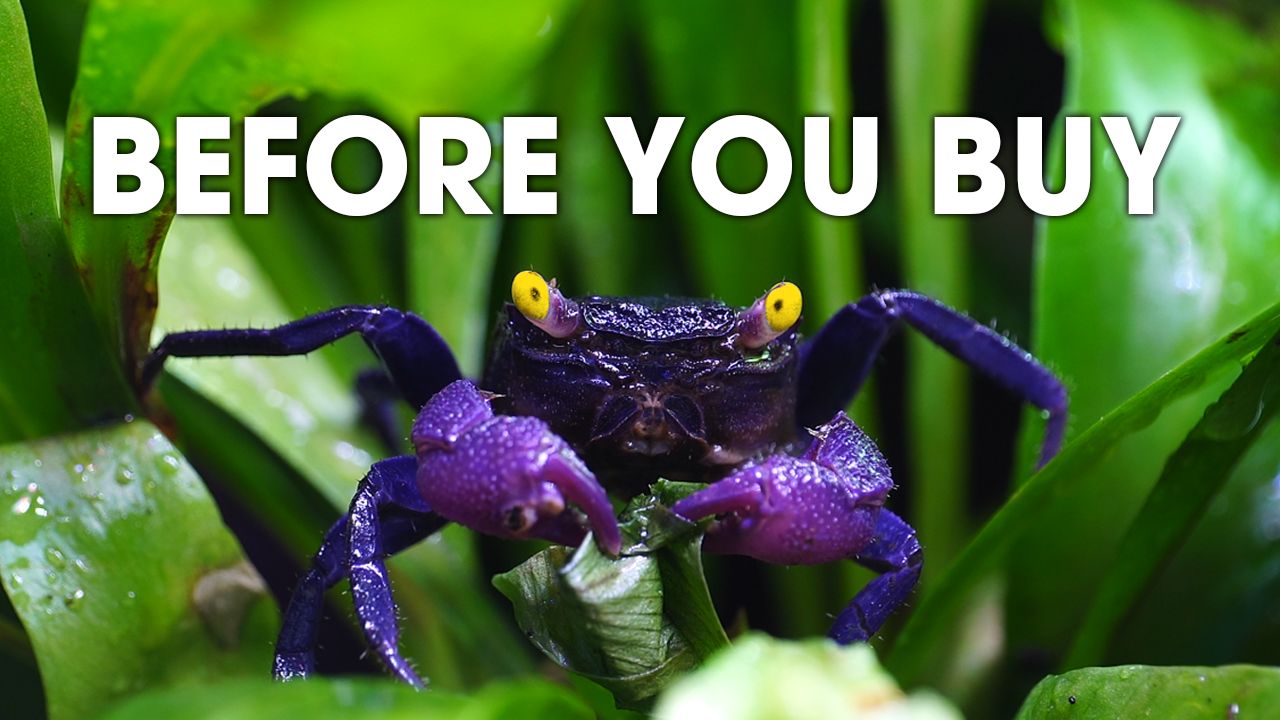
Vampire crabs are colourful little creatures with more than 70 known species. I personally keep, breed, and study nine of these species. While they can make awesome low-maintenance pets, there are some critical things you should know before you decide to buy them. These crabs might not meet your expectations, so in this guide, I’ll cover two of the three most common questions I receive about vampire crabs.
If you're looking for a full care guide on Geosesarma species, I recommend checking out my ebook or this care guide here or the many videos available on YouTube.
Why Don’t My Vampire Crabs Come Out?
Aside from how to care for vampire crabs, this is probably the second most important question you need to consider before buying them: how much time they actually spend hiding. Many people naturally overestimate how often they’ll see their crabs.
This misconception comes largely from platforms like YouTube, where channels like mine often feature vampire crabs. I capture a lot of great footage of my crabs foraging, fighting, and displaying interesting behaviours. However, the reality is that my videos don’t represent how visible they usually are.
Here’s why:
I keep my camera ready and recording the moment I notice my crabs doing something interesting.
I spend significant amounts of time waiting and watching to capture content for my videos.
Because of this, my footage gives the impression that vampire crabs are much more active and visible than they actually are.
In truth, Geosesarma species are micro predators that love to hunt but are near the bottom of the food chain. As a result, they’ve evolved to be extremely skittish and cautious of their surroundings. They will quickly dart away whenever they sense movement.
Key behaviours of vampire crabs:
They are mostly nocturnal and usually emerge at the end of the day to forage during the night.
In many cases, you might not see your crabs 99% of the time.
Out of the nine species I currently keep, there are some I haven’t seen for three months or longer.
How do I know they’re alive? Because I’ve observed babies being born, and I occasionally see legs sticking out of their burrows.
What I suggest:
If you want to keep vampire crabs, focus on creating a beautiful ecosystem tank that you enjoy maintaining. Think of the crabs as a little bonus whenever they’re brave enough to come out.
Important note for parents:
If your kids want vampire crabs, I strongly recommend choosing a different pet. Vampire crabs are not active or visible enough to entertain children, and they might be disappointed if they rarely see the crabs.

Geosesarma Vampire Crabs are primarily nocturnal so you might not see them often during the day.
How to Make Vampire Crabs Less Shy
One of the most common questions I receive is how to encourage vampire crabs to be less shy. Unfortunately, there is no guaranteed method to accomplish this, but you can take steps to improve their comfort and encourage them to be slightly more outgoing.
Steps to help vampire crabs feel safer:
Create a natural tank environment with plenty of hiding spots. This setup makes the crabs feel secure and more likely to venture out, knowing they can quickly dart back to safety if needed.
While these steps might help a little, shyness is a natural part of their behaviour. So far, the only consistent factor that seems to make a difference is captive breeding.
Why captive breeding helps:
Vampire crabs born and raised in a tank environment tend to be less shy.
When baby crabs grow up exposed to movement near their tank, they become more accustomed to their surroundings.
The more time you spend around your tank while the crabs are growing, the more outgoing they are likely to become.
This isn’t always the case, but it can make a noticeable difference. For example, I’ve been able to hand-feed some of my crabs because I’ve been “training” them since they were tiny babies.
Limitations of trust-building:
Even with captive breeding and regular interaction, there’s a limit to how much trust vampire crabs can develop. I’ve raised seven generations of crabs, and they are still only as trusting as the first generation I kept.
Vampire crabs’ awareness of their fragility is deeply ingrained in their nature. As a result, you’ll never get them to fully trust you or feel safe all the time. For example, I can sometimes hand-feed a crab, but the same crab might dart away a few days later as soon as it sees me.

Sometimes they will let me feed them by hand. Other times not! It’s a dice roll really.
Why Did My Vampire Crabs Die?
This is the most common question I receive, with dozens of messages sent to my inbox daily. There’s a lot to cover on this topic, so I’ve created a specific video dedicated to all the possible reasons why vampire crabs might die. You can check out that video for more details.
Conclusion
Vampire Crabs are awsome pets, but they come with challenges that require careful consideration. They are elusive and shy, which means you’ll rarely see them. While captive breeding and proper tank setups can help them feel more comfortable, you should still expect them to be cautious by nature.
If you’re considering keeping vampire crabs, focus on creating a beautiful ecosystem tank you’ll enjoy maintaining. That way, the crabs are an occasional bonus rather than the main feature.
Thanks for reading, and I hope this guide helps you better understand vampire crabs!