
HOW TO PREVENT MOLD IN YOUR PALUDARIUM, VIVARIUM, OR TERRARIUM
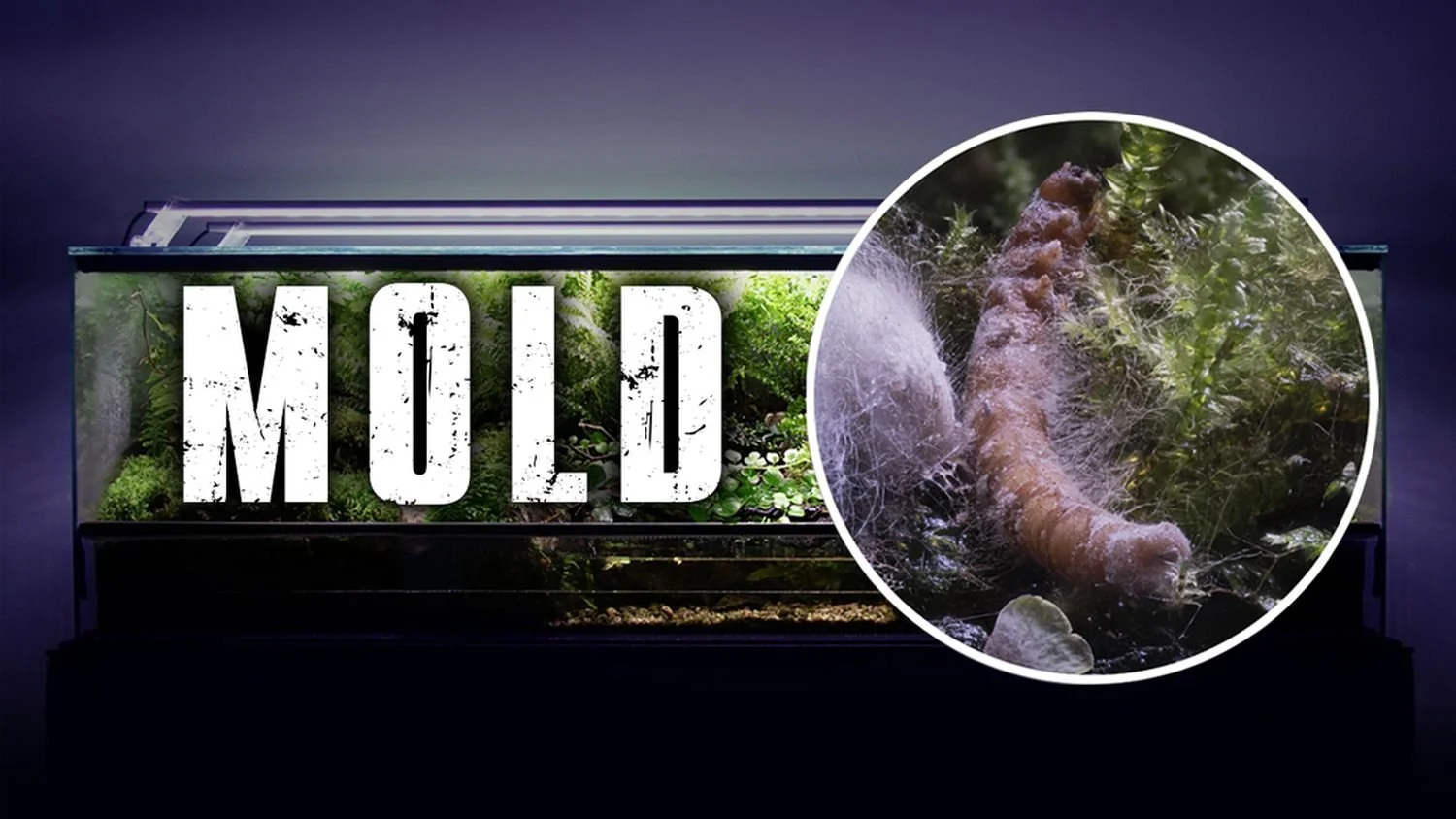
Mold is a common challenge you’ll encounter at some point, regardless of how meticulously you plan your ecosystem. Mold outbreaks can seem like a disaster, but they are a natural part of maintaining a healthy environment for your plants and animals. In this article, we’ll guide you through the causes of mold, how to manage it, and steps to prevent future outbreaks.
Understanding Mold in Your Ecosystem
Mold in these controlled environments is inevitable due to the high humidity and organic materials present. It’s crucial not to panic when you spot mold. Recognise that it’s a normal occurrence, especially in the early stages of setting up your ecosystem. With the right knowledge and actions, you can manage and minimize mold effectively.
Key Causes of Mold Outbreaks in Terrariums & Paludariums
Poor Airflow with High Humidity: Stagnant air and excessive moisture create an ideal environment for mold.
Overfeeding: Leftover food provides nutrients for mold growth.
Time: Mold tends to appear as the ecosystem matures and different organisms establish their roles.
Addressing these factors involves a combination of good design, maintenance discipline, and employing a robust cleanup crew.
The Role of the Cleanup Crew
The most effective way to combat mold is to introduce a cleanup crew, with springtails being your primary ally. These tiny insects are crucial in breaking down organic matter and keeping mold at bay.
Why Springtails Are Essential
Early Integration: Introduce springtails on day one of setting up your ecosystem. They will help establish a balanced environment by managing mold from the start.
Self-Regulating Population: Springtails will not overpopulate or become a nuisance. Their numbers increase when there’s waste to process and decrease when there isn’t.
Containment: Springtails are confined to their environment. Outside it, they dehydrate and die quickly, posing no risk of infestation elsewhere.
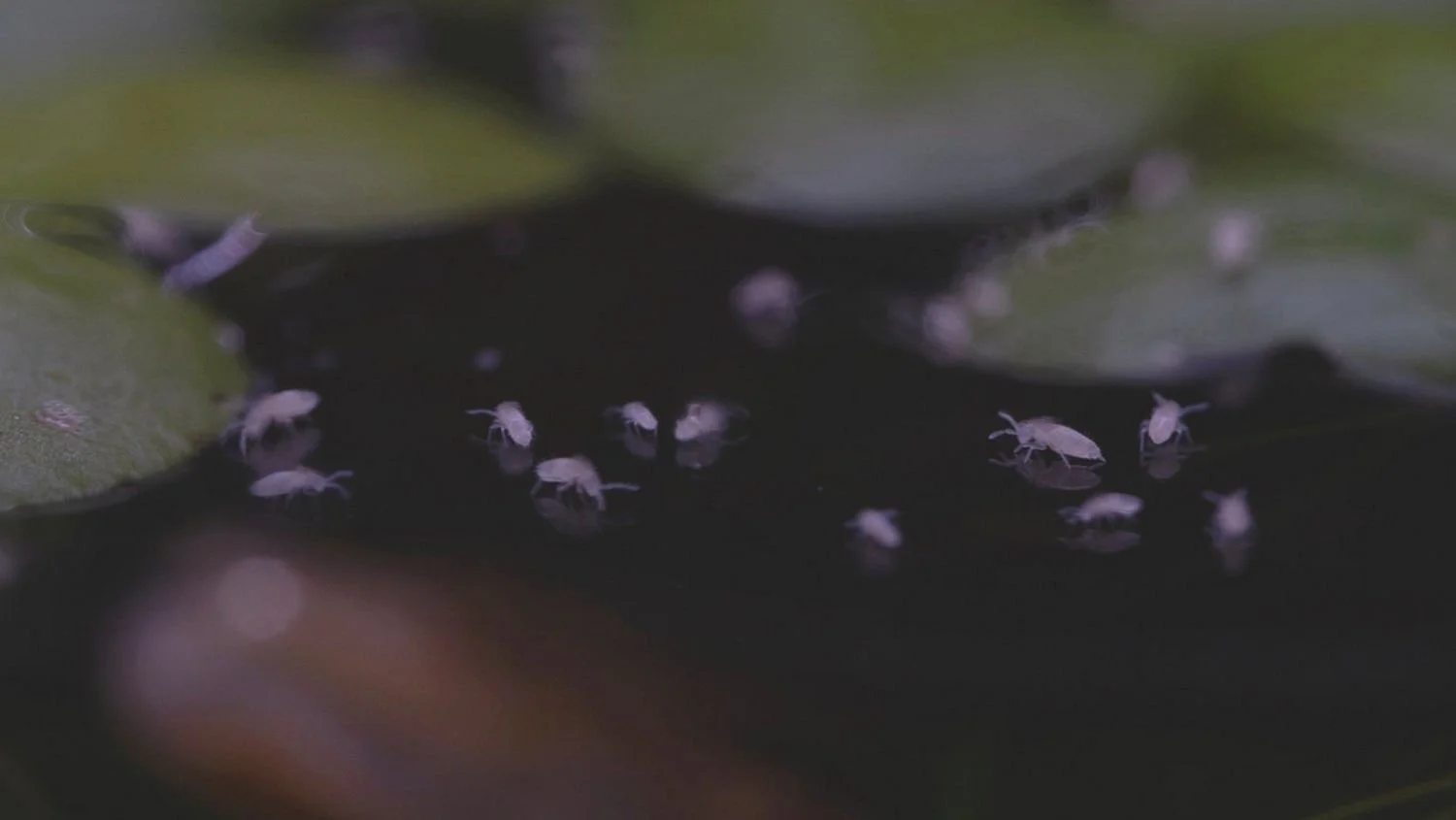
Springtails walking on water
Supplementary Helpers
Isopods and Earthworms: These creatures assist in breaking down organic waste, indirectly reducing mold. They are not essential but can enhance the ecosystem’s health.
Ensuring Proper Airflow and Ventilation
Adequate airflow is crucial for preventing mold, especially in tanks housing Vampire Crabs, which are notorious escape artists. While sealing tanks to prevent escapes, it’s vital to maintain ventilation.
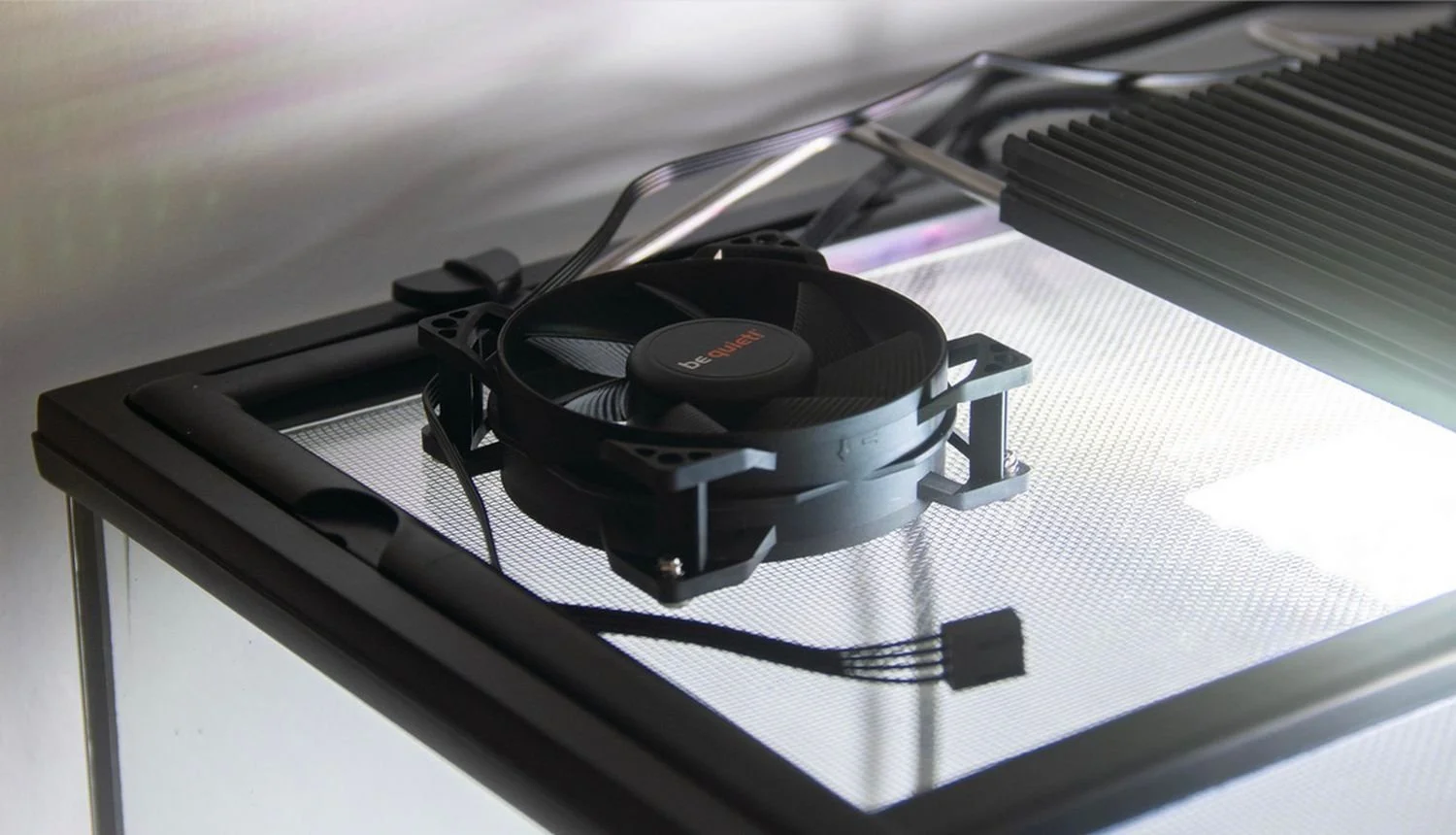
Ventilation fans for a paludarium or terrarium
Tips for Airflow Management
Ventilation Holes: Ensure that 2–5% of your tank’s lid surface has ventilation holes. This allows for sufficient air exchange while maintaining humidity.
Unobstructed Vents: For terrarium-style tanks, avoid covering all vents. This helps in maintaining the right balance of humidity and airflow.
Managing Feeding Practices
Overfeeding is a major contributor to mold outbreaks. Unconsumed food becomes a breeding ground for mold. Here’s how to manage feeding:
Underfeeding: Aim to feed slightly less than you think is necessary. This reduces leftover food and minimizes mold growth.
Food Removal: Remove uneaten food within 24 hours or as soon as you see mold forming. Your cleanup crew, particularly springtails, will handle small residues quickly.
Handling Severe Mold Outbreaks
In rare cases, mold can spread rapidly and harm plants, resembling a white spider web. When this happens:
Immediate Action: Cut out the affected areas of the plant or substrate to halt the spread.
Monitor: Keep a close eye on your ecosystem to ensure the outbreak does not recur.
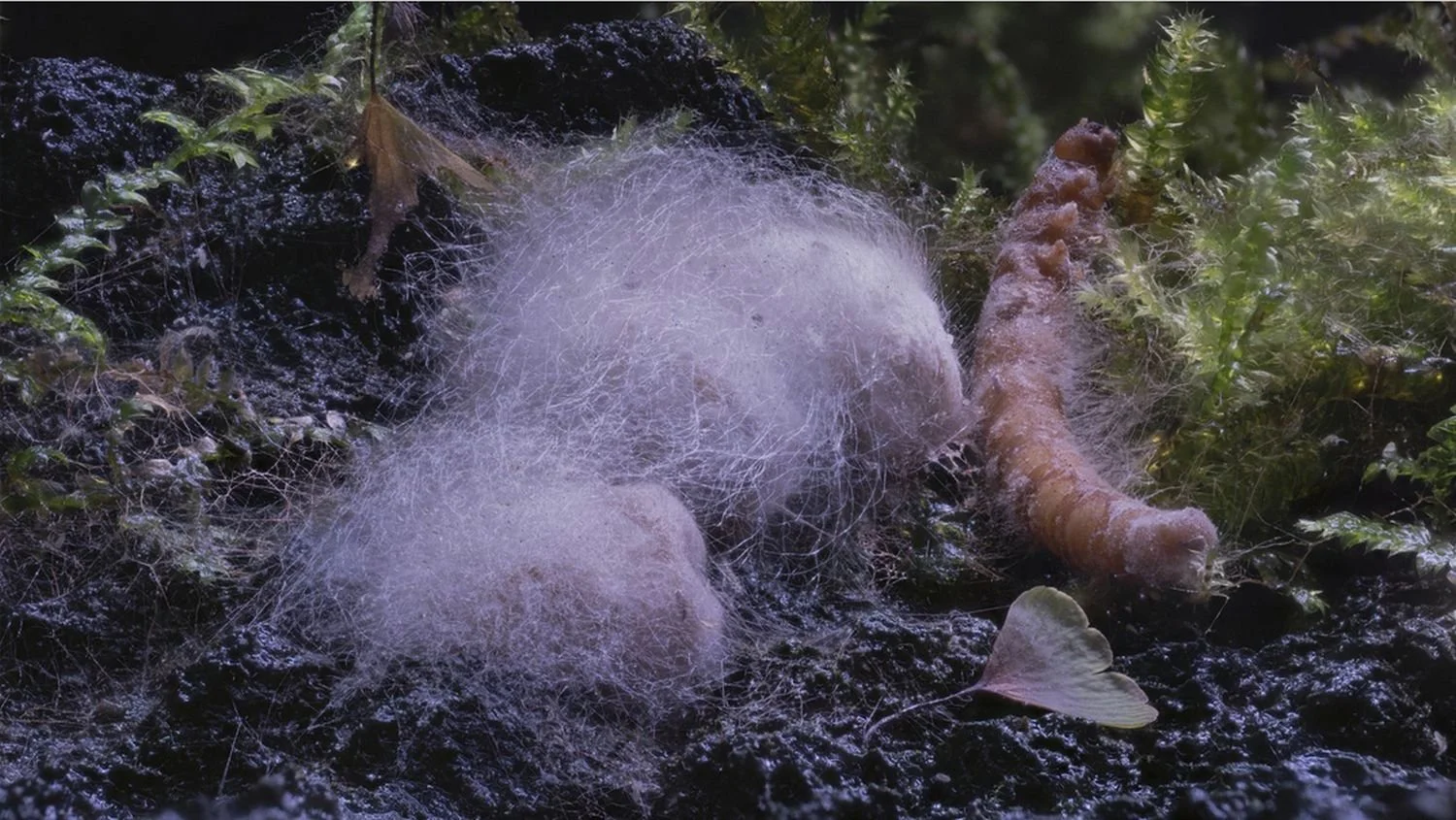
How do you preventing mold in a paludarium
UNBEATABLE MOLDS?
Unfortunately, there are some molds that are absolutely devastating to get in your ecosystem. Over the years I’ve experienced one rare type of mold that looks like a lot of spider webs and isn’t caused by spider mites. It’s all-consuming and can kill plants and mosses within hours. So far the only method I have come across to get rid of it is to cut out all infected sources as quickly as possible. The video below details my exact experience with this brutal mold species. Thankfully after dealing with it, it hasn’t come back!