
PLANTS & MOSSES SUITABLE FOR TERRARIUMS & PALUDARIUMS
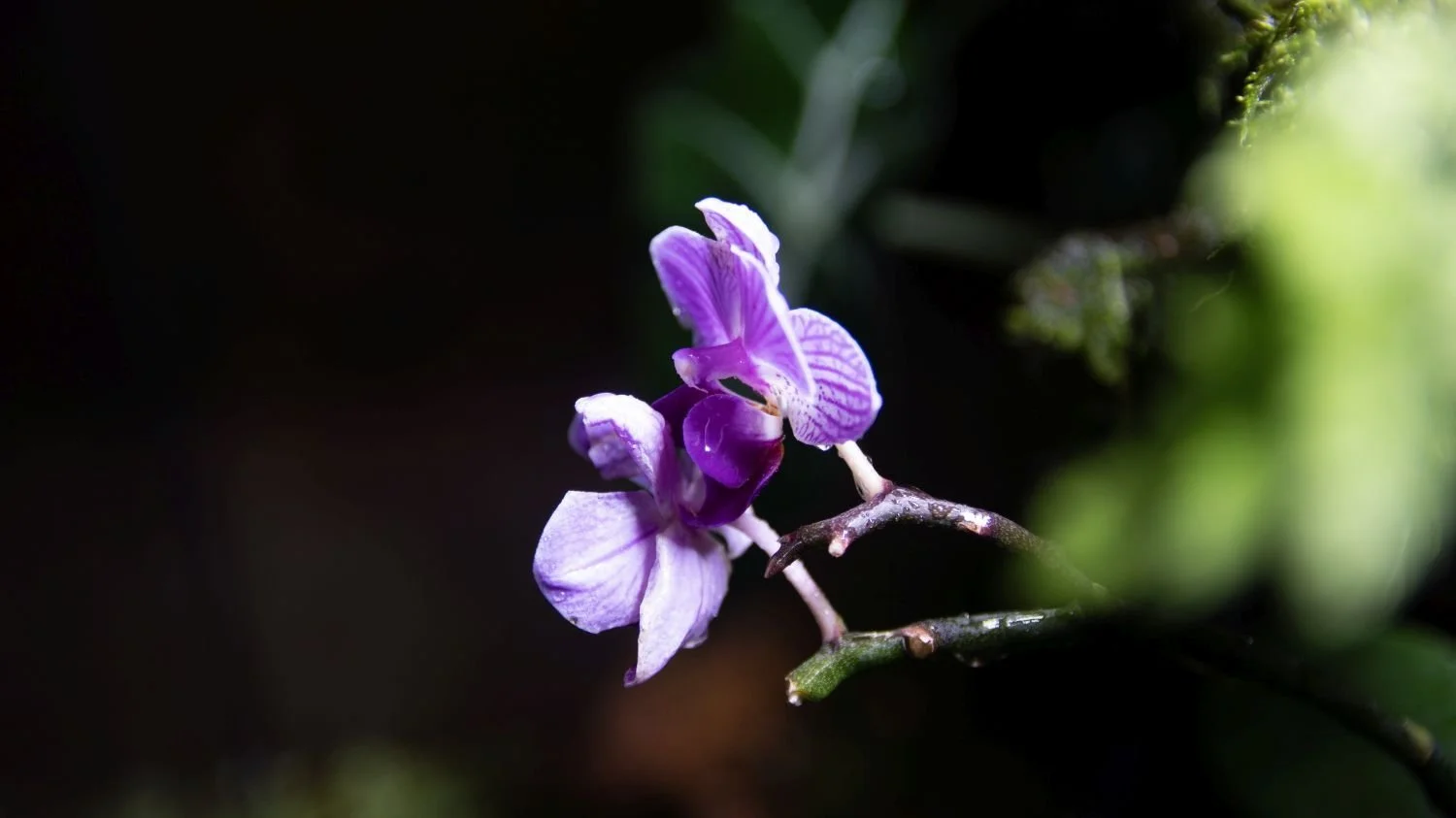
Paludarium, Vivarium, Terrarium plant options
THE BEST PLANTS FOR A VAMPIRE CRAB PALUDARIUM
The following list contains a variety of plants and mosses that are well-suited for terrariums, vivariums, and paludariums. These selections thrive in humid environments and can enhance the aesthetic and ecological balance of enclosed habitats. Each species offers unique characteristics that contribute to a vibrant and healthy ecosystem.
Note: I’ve tried to be as accurate as possible with the Toxicity rating for each plant but I would still be very cautious around pets and children as people and animals can have unique reactions sometimes.
Ferns
Adiantum (Maidenhair Fern)
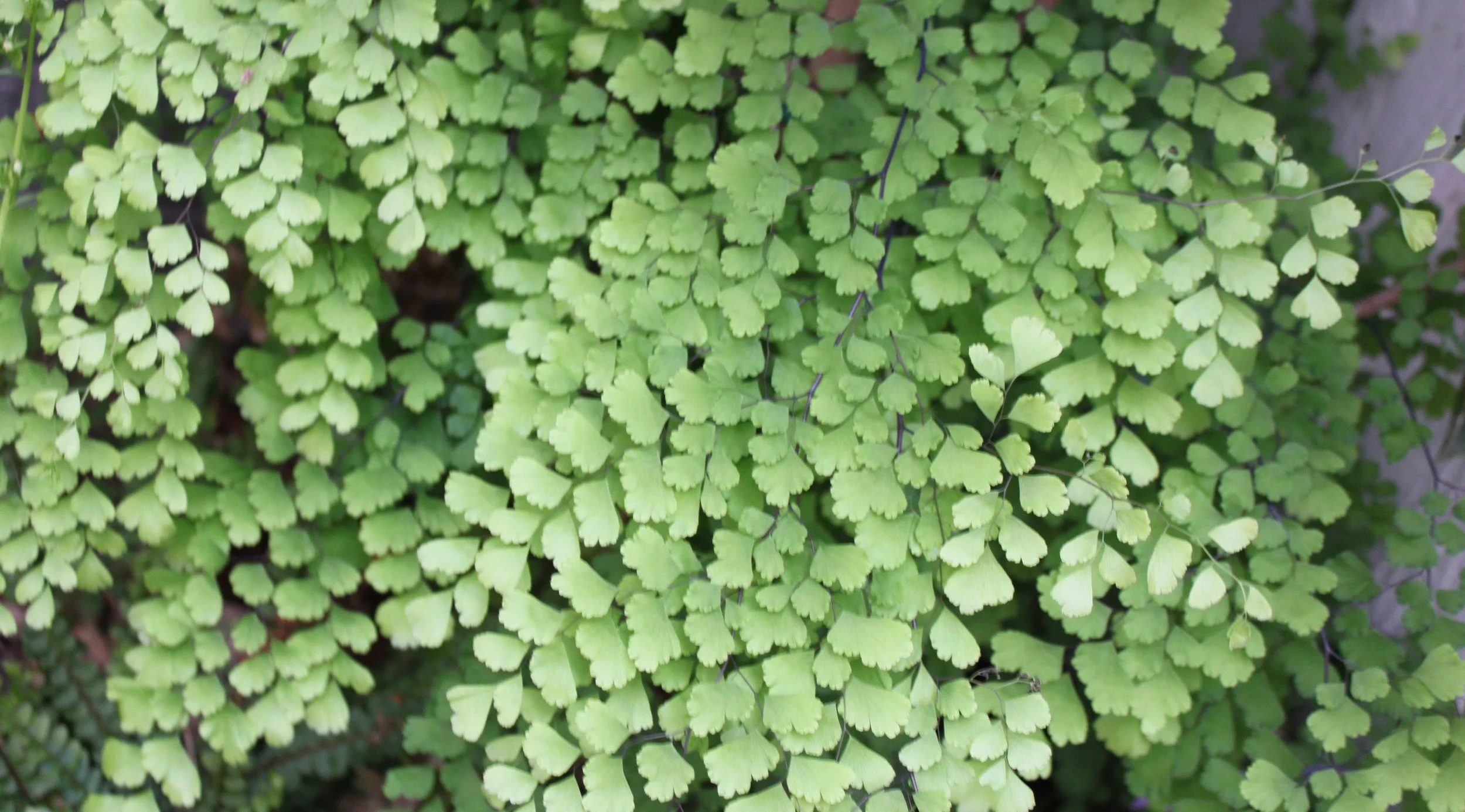
Watering Needs: Keep soil consistently and evenly moist; water as soon as the top layer feels dry. If the soil dries out halfway, fronds will brown and crumble.
Light Requirements: Prefer bright, indirect light; avoid direct sunlight to prevent leaf burn, Best placed under larger plants for dappled sunlight.
Temperature and Humidity: Thrive in temperatures above 70°F; protect from cold (below 60°F), High humidity is essential; mist daily or use a humidifier.
Asparagus ferns (Asparagus Fern)
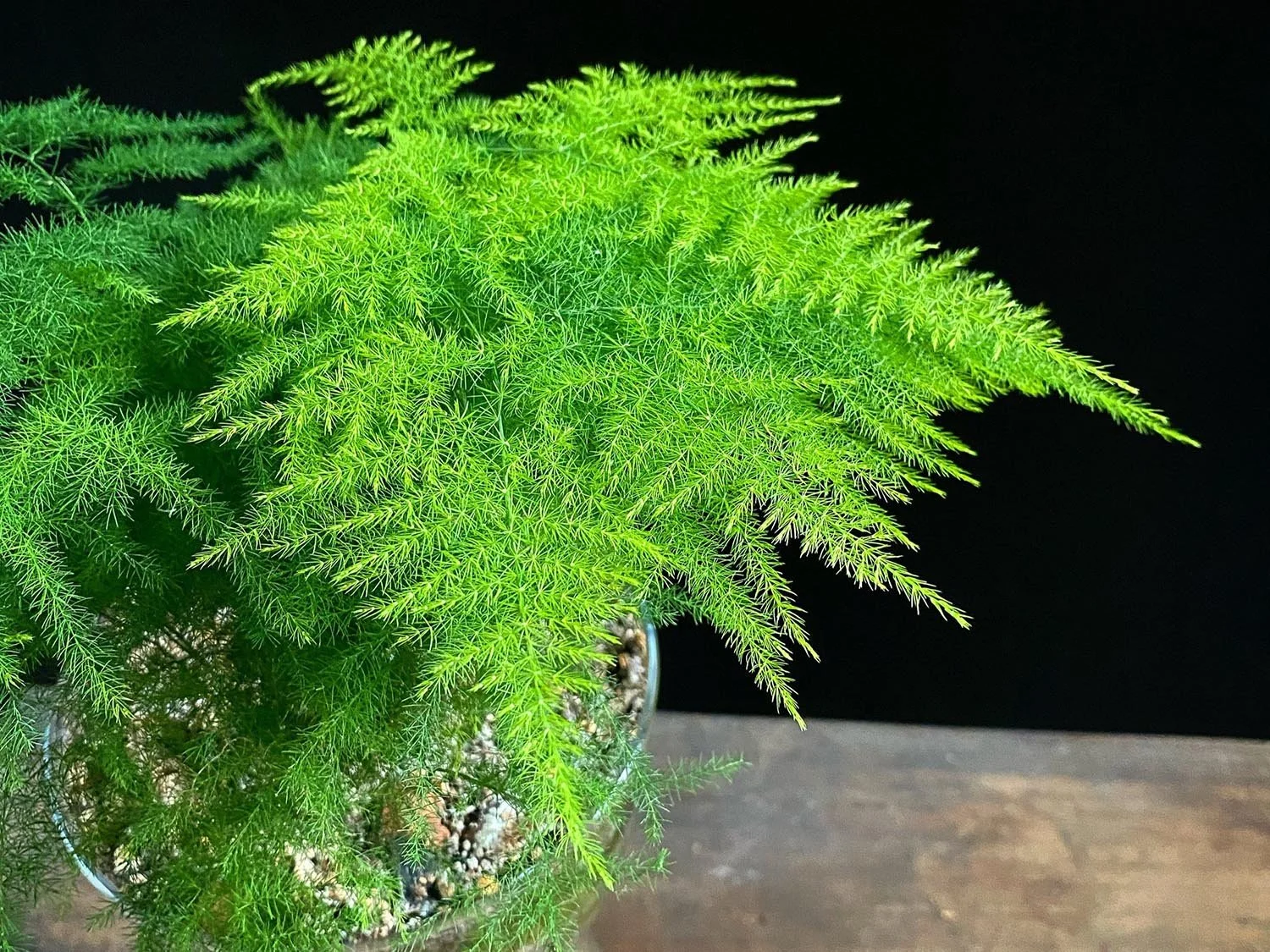
Watering Needs: Keep soil moderately moist; allow the top layer to dry slightly between waterings.
Light Requirements: Partial sunlight (outdoors), Bright, indirect light (indoors)
Temperature and Humidity: Thrives in warm conditions; prefers moderate humidity but can adapt to average indoor levels.
Toxicity: Mildly toxic to humans, Moderately toxic to dogs and cats
Asplenium bulbiferum (Hen and Chicken Fern)
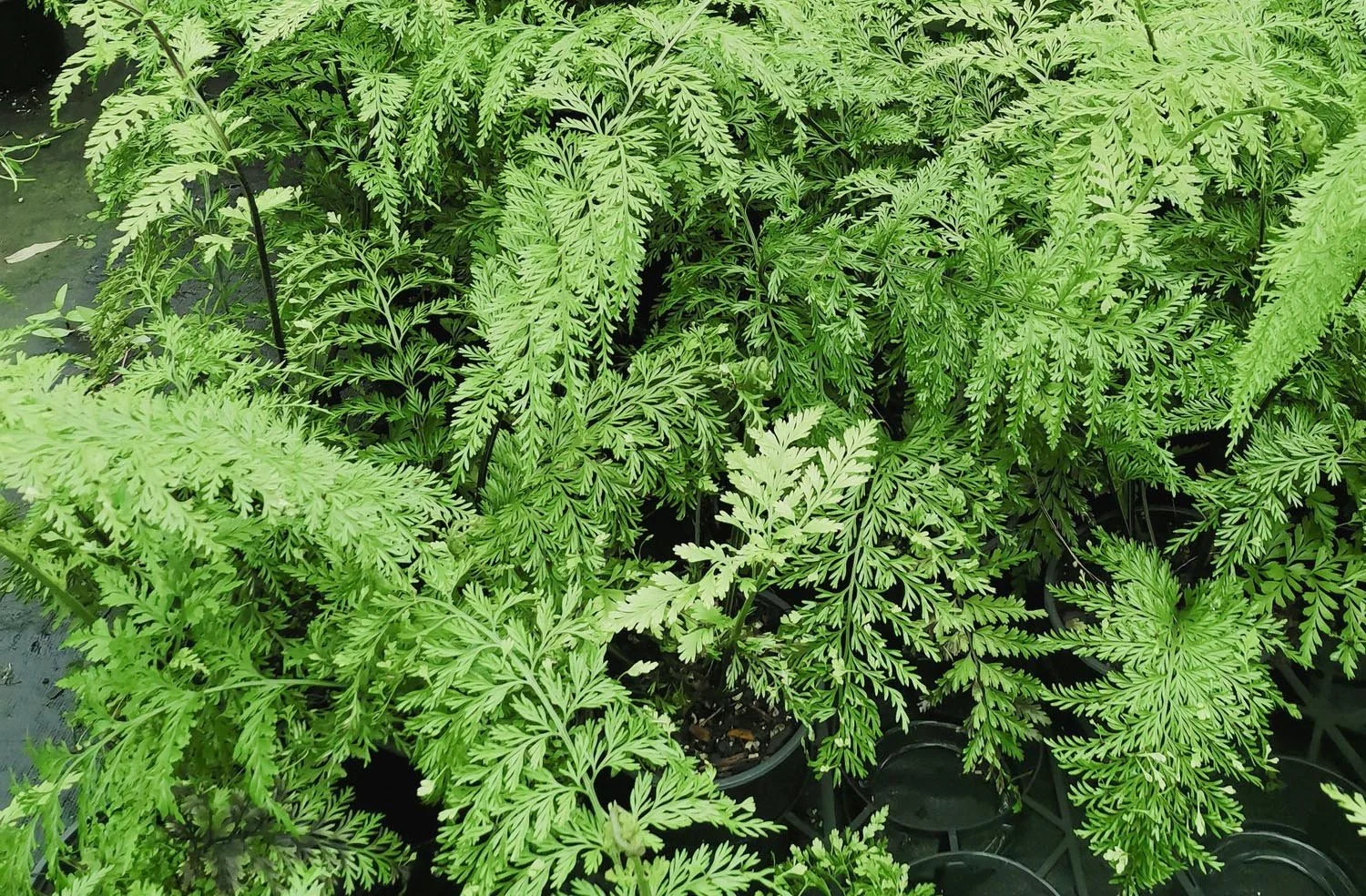
Watering Needs: Keep soil consistently moist, as this fern thrives in humid and damp conditions. Regular watering is required, especially during warmer months. Avoid letting the soil dry out completely.
Light Requirements: Prefers part shade to dappled or filtered light. It’s well-suited for areas with indirect sunlight, such as rainforest-like environments or shaded garden areas.
Temperature and Humidity: Thrives in temperate, rainforest-like conditions. It's frost tolerant but prefers mild temperatures. The fern does well with high humidity, making it ideal for humid areas or indoor environments with adequate moisture.
Toxicity: Generally considered non-toxic to humans and pets, making it a safe choice for homes with animals or children.
Asplenium nidus 'Crispy Wave' (Crispy Wave Fern)
Watering Needs: Keep soil consistently moist, but avoid waterlogging. Water thoroughly when the top inch of soil feels dry. Be sure to provide good drainage.
Light Requirements: Prefers low to medium indirect light. Avoid direct sunlight, as it can scorch the delicate fronds.
Temperature and Humidity: Thrives in warm, humid environments with temperatures between 60-75°F (16-24°C). Avoid cold drafts and keep humidity levels high for best growth.
Toxicity: Non-toxic to humans and pets, making it a safe houseplant choice.
Nephrolepis cordifolia (Lemon Button Fern)
Watering Needs: Keep the soil evenly moist, but not soggy. Water more frequently during the growing season, and reduce watering in the winter months.
Light Requirements: Does well in bright, indirect light but can tolerate low light. Avoid direct sunlight to prevent frond burn.
Temperature and Humidity: Prefers warm temperatures between 60-75°F (16-24°C) and high humidity. Mist regularly or place near a humidifier for optimal growth.
Toxicity: Considered non-toxic to both humans and pets, making it safe for households with children and animals.
Nephrolepis Green Fantas (Green Fantasy Fern)
Watering Needs: Requires consistent watering to maintain moist soil, especially during warmer months. Avoid letting the soil dry out completely but ensure the pot drains well to prevent root rot.
Light Requirements: Thrives in medium to bright indirect light. Can tolerate low light but will grow more slowly. Avoid direct sunlight.
Temperature and Humidity: Prefers temperatures between 60-75°F (16-24°C) and high humidity levels. Ideal for bathrooms or areas with naturally higher moisture levels.
Toxicity: Non-toxic to both humans and pets.
Microsorum diversifolium (Kangaroo Paw Fern)
Watering Needs: Keep the soil evenly moist, but allow the top layer to dry slightly between waterings. Water more during the growing season and less during winter.
Light Requirements: Grows best in medium to bright indirect light. Can tolerate low light but will thrive in brighter conditions without direct sun.
Temperature and Humidity: Prefers temperatures between 60-80°F (16-27°C) and medium to high humidity. It can tolerate lower humidity but may require misting in dry indoor environments.
Toxicity: Non-toxic to both humans and pets.
Hemionitis arifolia (Heart Fern)
Watering Needs: Keep the soil consistently moist, but not waterlogged. This fern likes humidity and should not be allowed to dry out between waterings.
Light Requirements: Prefers low to medium indirect light. Avoid exposure to direct sunlight as it can scorch the leaves.
Temperature and Humidity: Thrives in warm temperatures around 60-75°F (16-24°C) and high humidity. Misting or using a humidifier is recommended in drier environments.
Toxicity: Non-toxic to humans and pets, making it a safe addition to homes.
Mosses
Hypnum cupressiforme (Cypress-leaved Plait Moss)
This is my go-to moss for all of my vampire crab paludariums as it is easy to find and super forgiving!
Watering Needs: Keep the moss consistently moist but not waterlogged. Water regularly, especially during dry periods, ensuring that the substrate stays damp. Avoid letting the moss dry out completely, as it can be sensitive to drought. Balance is key: mist frequently and check that the medium isn’t soggy or sitting in excess water.
Light Requirements: Prefers low to medium indirect light. Grows well in shady, humid environments. Avoid direct sunlight, which can dry out and damage the moss.
Temperature and Humidity: Thrives in cool to temperate conditions with high humidity. Regular misting helps maintain the humidity levels it prefers. Avoid overly warm or dry conditions.
Toxicity: Non-toxic to humans and pets.
Leucobryum glaucum (Cushion Moss)
Watering Needs: Requires consistent moisture but should not be overwatered. Mist the moss regularly to maintain even moisture, but allow it to dry slightly between mistings. Avoid prolonged sogginess, which can lead to rot. Strike a balance between keeping it damp without water pooling at the base.
Light Requirements: Prefers low to medium indirect light. It grows best in shaded or partially shaded areas, making it ideal for terrariums or shaded garden spots.
Temperature and Humidity: Thrives in cooler temperatures and high humidity. Ensure good air circulation while keeping humidity levels high. It prefers temperate environments and may struggle in very hot or dry climates.
Toxicity: Non-toxic to humans and pets.
Selaginella martensii (Martens' Spike Moss)
Watering Needs: Keep soil evenly moist at all times. Water regularly, but avoid letting the soil become waterlogged. Allow the top layer of soil to dry slightly between waterings, but don’t let the plant dry out completely as it is highly sensitive to drought. A well-draining potting mix is essential to maintain the balance between moisture and drainage.
Light Requirements: Prefers bright, indirect light but can tolerate lower light levels. Avoid direct sunlight, as it can cause the foliage to burn or dry out.
Temperature and Humidity: Likes warm, humid environments with temperatures between 60-75°F (16-24°C). High humidity is key to its health, so mist it regularly or place it in a naturally humid area like a bathroom.
Toxicity: Non-toxic to humans and pets.
Selaginella uncinata (Peacock Moss)
Watering Needs: Requires consistent moisture. Keep the soil or substrate damp, but avoid oversaturating it. Water when the top inch of soil starts to feel slightly dry, ensuring that it never dries out completely. Overwatering can lead to root rot, so provide good drainage while maintaining high humidity around the plant.
Light Requirements: Grows best in medium to bright indirect light. Can tolerate lower light conditions, but direct sunlight should be avoided to prevent leaf scorch.
Temperature and Humidity: Thrives in warm, humid conditions with temperatures around 60-75°F (16-24°C). High humidity is essential for healthy growth, so regular misting or placing the plant in a humid environment is recommended.
Toxicity: Non-toxic to humans and pets.
Thuidium delicatulum (Delicate Fern Moss or Fern Moss)
Watering Needs: Keep the moss consistently moist by misting regularly, but ensure the substrate is well-drained to avoid waterlogging. Never let it dry out fully, but be cautious of overwatering, as too much moisture can cause the moss to decay. Maintaining balanced moisture is key to its health.
Light Requirements: Thrives in low to medium indirect light. It prefers shaded or dappled light environments, making it ideal for indoor terrariums or shady outdoor areas.
Temperature and Humidity: Grows best in cool to moderate temperatures with high humidity. Mist frequently or keep in an area with naturally high moisture levels to mimic its natural rainforest-like habitat.
Toxicity: Non-toxic to humans and pets.
Climbing Plants
Climbing Ivy (Common Ivy)
Watering Needs: Keep the soil moderately moist. Allow the top layer of soil to dry slightly between waterings, but do not let it dry out completely.
Light Requirements: Thrives in bright, indirect light. Can tolerate partial shade but will grow slower in lower light conditions. Avoid direct sunlight as it may scorch the leaves.
Temperature and Humidity: Prefers temperatures between 55-70°F (13-21°C) and moderate humidity. Tolerates average indoor humidity levels.
Toxicity: Toxic to pets, especially to cats and dogs, as it can cause vomiting, drooling, and abdominal pain.
Ficus pumila (Creeping Fig)
Watering Needs: Keep soil consistently moist but not soggy. Water when the top inch of soil feels dry, ensuring that it does not dry out completely.
Light Requirements: Prefers bright, indirect light but can tolerate moderate shade. Avoid direct sunlight, which can scorch the leaves.
Temperature and Humidity: Thrives in temperatures between 60-75°F (16-24°C) with moderate to high humidity. Can tolerate average indoor humidity levels.
Toxicity: Generally considered non-toxic to humans and pets, making it a safe choice for homes with children or animals.
Hedera (Ivy)
Watering Needs: Keep soil moist but not waterlogged. Allow the top layer to dry slightly between waterings to prevent root rot.
Light Requirements: Prefers bright, indirect light but can tolerate partial shade. Avoid direct sunlight, which can cause leaf scorch.
Temperature and Humidity: Thrives in temperatures between 55-70°F (13-21°C) and moderate humidity. Can tolerate average humidity levels indoors.
Toxicity: Toxic to pets (especially cats and dogs) if ingested, causing vomiting and digestive issues.
Marcgravia rectiflora
Watering Needs: Keep soil moist but well-drained. Allow the top layer to dry slightly before watering again, ensuring it doesn’t become waterlogged.
Light Requirements: Prefers bright, indirect light. Can tolerate some direct sunlight but only if it’s filtered through a curtain.
Temperature and Humidity: Likes warm temperatures between 65-80°F (18-27°C) and high humidity. Mist regularly or place near a humidifier for optimal growth.
Toxicity: Non-toxic to humans and pets, making it safe for homes with children or animals.
Marcgravia umbellata
Watering Needs: Keep the soil moderately moist but well-drained. Water when the top inch of soil feels dry, but avoid overwatering.
Light Requirements: Prefers bright, indirect light but can adapt to slightly lower light levels. Avoid direct sunlight, as it can cause leaf burn.
Temperature and Humidity: Thrives in warm, humid conditions, with temperatures between 65-80°F (18-27°C) and high humidity levels.
Toxicity: Non-toxic to both humans and pets, making it a safe plant for terrariums.
Marcgravia sintenisii
Watering Needs: Prefers evenly moist soil. Water regularly, but be careful not to overwater as it may cause root rot.
Light Requirements: Thrives in bright, indirect light. Avoid direct sunlight, which can scorch the plant's delicate leaves.
Temperature and Humidity: Prefers temperatures between 65-80°F (18-27°C) and high humidity, making it ideal for humid environments like bathrooms or terrariums.
Toxicity: Non-toxic to humans and pets.
Marcgravia 'El Copé'
Watering Needs: Keep the soil lightly moist, allowing the top layer to dry between waterings. This species prefers moist, humid conditions.
Light Requirements: Bright, indirect light is ideal. Avoid direct sunlight, as this can damage the leaves.
Temperature and Humidity: Thrives in warm, humid environments, with temperatures ranging from 65-75°F (18-24°C).
Toxicity: Non-toxic to humans and pets.
Marcgravia sp. 'Mini'
Watering Needs: Keep soil evenly moist but avoid letting the plant sit in standing water. Water when the top inch of the substrate feels dry.
Light Requirements: Prefers bright, indirect light but can tolerate low light. Direct sunlight should be avoided.
Temperature and Humidity: Prefers warm temperatures between 65-75°F (18-24°C) and high humidity levels. Mist regularly or place it in a humid room.
Toxicity: Non-toxic to both humans and pets.
Other
Alocasia 'Bambino' (Dwarf Alocasia)
Watering Needs: Keep soil consistently moist but not soggy. Let the top layer dry slightly before watering again. Avoid allowing it to dry out completely.
Light Requirements: Prefers bright, indirect light. Can tolerate some direct sunlight, but too much will cause leaf burn.
Temperature and Humidity: Prefers warm temperatures between 60-80°F (16-27°C) and high humidity. It thrives in humid conditions, so regular misting is recommended.
Toxicity: Toxic to pets (especially cats and dogs), causing irritation to the mouth and stomach if ingested.
Begonia (Begonia spp.)
Watering Needs: Keep soil evenly moist. Water when the top layer of soil begins to dry out but avoid overwatering, as begonias are prone to root rot.
Light Requirements: Prefers bright, indirect light but can tolerate lower light levels. Avoid direct sunlight to prevent leaf burn.
Temperature and Humidity: Thrives in temperatures between 60-75°F (16-24°C) and high humidity. It will do well in bathrooms or terrariums with adequate moisture levels.
Toxicity: Generally non-toxic to humans and pets.
Cryptanthus (Earth Star)
Watering Needs: Keep the soil lightly moist. Avoid letting the plant sit in water, as it can cause root rot. Water thoroughly but allow the soil to dry slightly between waterings.
Light Requirements: Prefers bright, indirect light but can tolerate lower light levels.
Temperature and Humidity: Thrives in temperatures between 60-75°F (16-24°C) with high humidity. Mist regularly to maintain humidity levels.
Toxicity: Non-toxic to humans and pets.
Fittonia (Nerve Plant)
Watering Needs: Keep the soil consistently moist, but avoid waterlogging. It is sensitive to drought, so water when the top layer of soil dries out.
Light Requirements: Prefers low to medium indirect light. Avoid direct sunlight as it can burn the delicate leaves.
Temperature and Humidity: Thrives in temperatures between 60-80°F (16-27°C) with high humidity. It’s ideal for bathrooms or humid environments.
Toxicity: Non-toxic to humans and pets.
Helexnie Green (Common name not specified)
Watering Needs: Keep the soil moist, but avoid letting it sit in water. Water when the top inch of soil feels dry.
Light Requirements: Prefers bright, indirect light but can tolerate moderate shade.
Temperature and Humidity: Thrives in warm, humid environments with temperatures around 65-75°F (18-24°C).
Toxicity: Non-toxic to humans and pets.
Hypoestes (Polka Dot Plant)
Miniature Phalaenopsis (Miniature Moth Orchid)
Neoregelia (Blushing Bromeliad)
Neoregelia 'Fireball (Miniature Bromeliad)
Pellionia repens (Watermelon Vine)
Pellionia pulchra (Trailing Watermelon Begonia)
Pellaea rotundifolia (Button Fern)
Peperomia (Radiator Plant)
Peperomia verticillata (Red Log Peperomia)
Phalaenopsis amabilis (Miniature Orchid)
Pilea cadierei (Aluminum Plant)
Pilea glauca (Silver Sprinkles Plant)
Pilea peperomioides (Chinese Money Plant)
Polka Dot Plant (Hypoestes phyllostachya)
Saxifraga stolonifera (Strawberry Begonia)
Selaginella kraussiana (Krauss's Spikemoss)
Soleirolia soleirolii (Baby’s Tears)
Tradescantia (Wandering Jew)
Carnivorous Plants
Nepenthes (Tropical Pitcher Plant)