
CARDISOMA CARE GUIDE - RAINBOW CRAB CARE GUIDE
Author: Albomita
Cardisoma is a genus of brackish crabs, found all throughout the equator, with observations in Mexico, the US, Southeast Asia, Africa, Brazil, and Oceania. They are readily found in the pet trade in the case of Cardisoma Armatum, however, Cardisoma Guanhumi and Carnifex are occasionally found in the pet trade.
Common Names
Cardisoma is also commonly known as:
Rainbow Crab
Patriot Crab
Soapdish Crab
Members of the Species
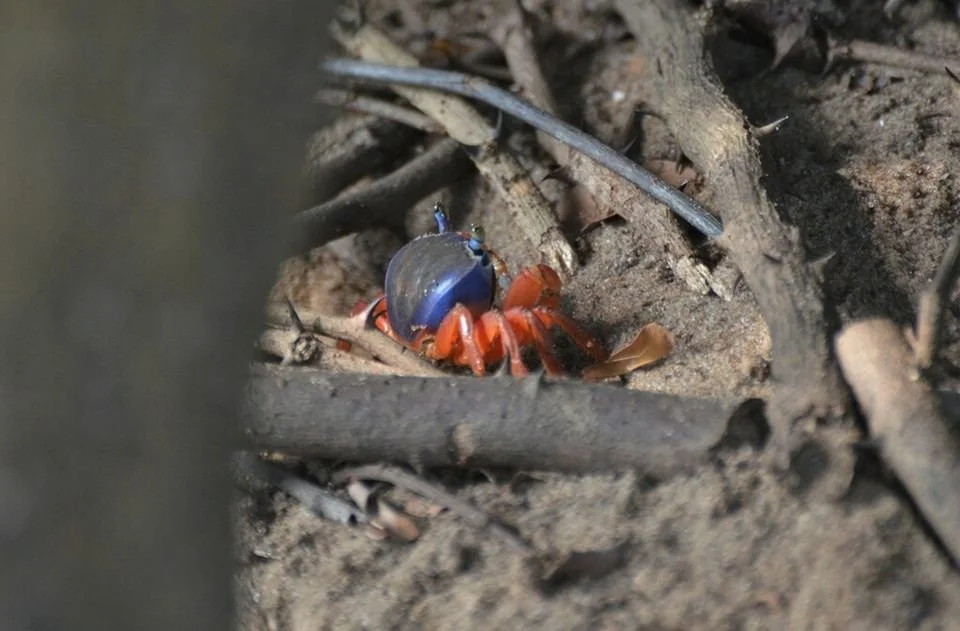


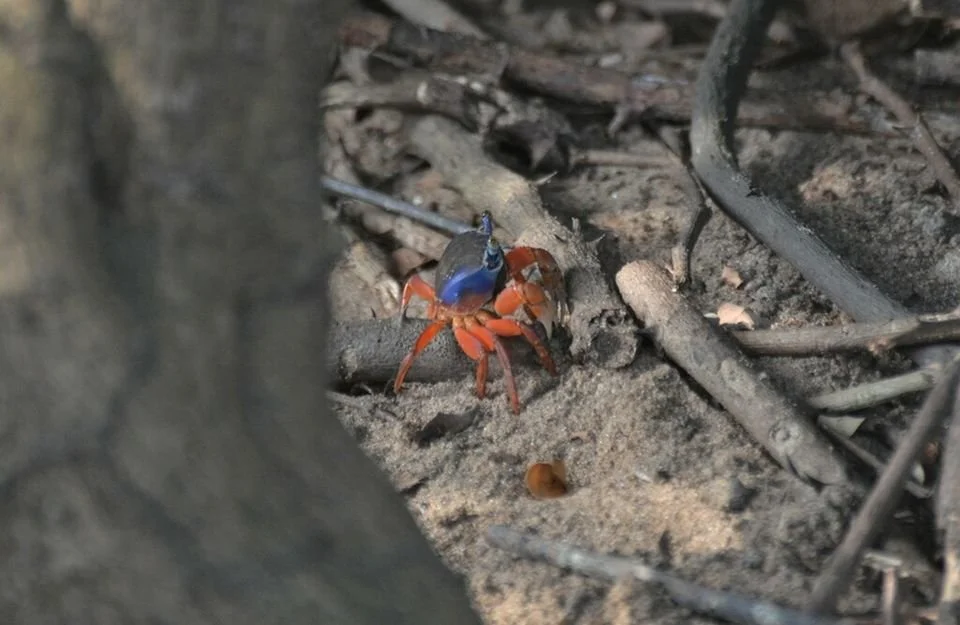


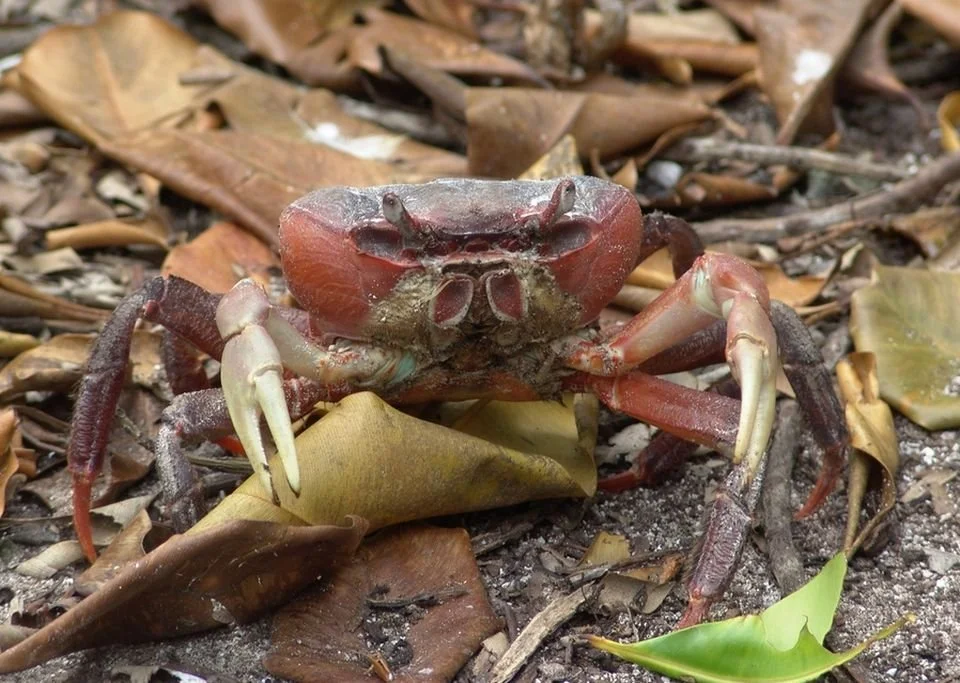
Conservation Level
Unknown – There is limited data on wild populations, so sustainable and ethical sourcing is recommended. Supporting reputable sellers who follow responsible collection practices is important to minimise environmental impact.
Care Level
Dark method: Beginner for all species.
Love method: Beginner for Cardisoma Armatum.
All other species are impossible as of 4/25 to be kept in a love method.
6/23 Update: First successful guanhumi molt in a love method
The Dark vs Love Methods Explained
Enclosure and Environment
Armatum lives in any environment.
Tank Size: 3x the size of your crab, or approximately 60x30 cm for an adult.
Water Type: Brackish
Salinity: 20–40 ppt salinity | 1.015–1.030 SG I would aim for something in the middle for the most success. They have been successfully kept in pure fresh but it’s believed that brackish water would result in a longer lifespan
Salinity: Cardisoma armatum
Salinity, the most variable ecological factor in lagoons, strongly influences the growth and physiology of Cardisoma armatum. In an 84-day trial at five salinities (0, 5, 10, 15, 20 ppt), initial crab weights showed no differences. Growth was lowest at 0 ppt and highest at 10–15 ppt, with the greatest specific growth rate at 10 ppt (0.31%/day). Serum aminotransferases decreased at 0 ppt, while protein increased with salinity. Antioxidant enzyme activities (catalase, superoxide dismutase, malondialdehyde) were elevated at 5–20 ppt, with significant changes in most enzymes except glutathione. These findings indicate that departure from brackish conditions impairs growth and immune function, contributing to crab population declines in altered wetlands.
Temperature: 27°C / 80°F
Humidity: 80%
Water Flow: Not required
Lighting: A natural day-night cycle is best, and any aquarium light will be enough to keep them happy.
Behaviour: Quite aggressive

Interesting Information
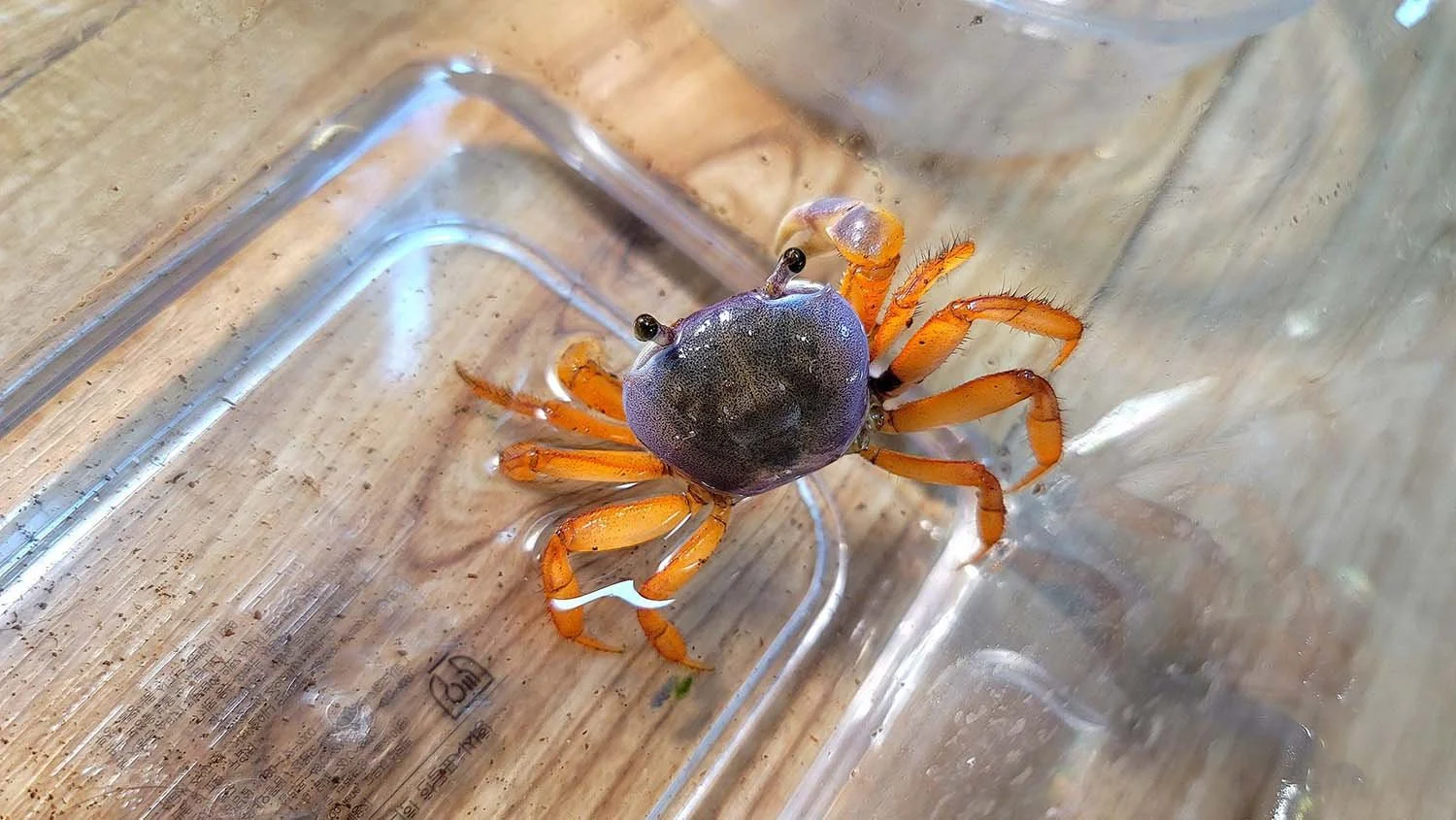
Cardisoma species are quite interesting, seemingly able to change colour like a chameleon can. This unique feature is only done by non Asian species, so Cardisoma guanhumi, armatum, and crassum possess this. Their carapace is actually completely colourless and white, and all colour comes from a thin layer underneath the carapace. The images below are from Armatum


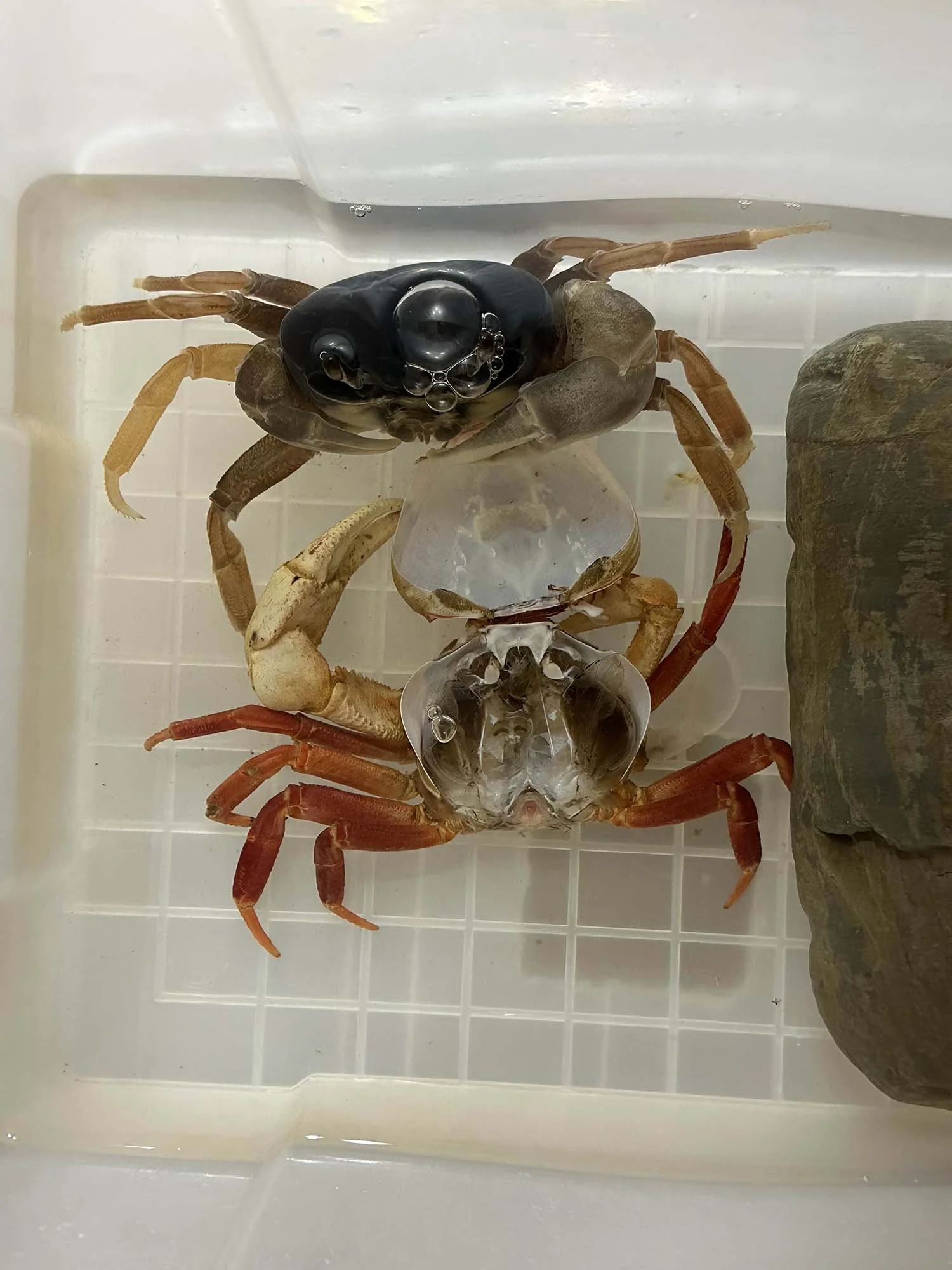

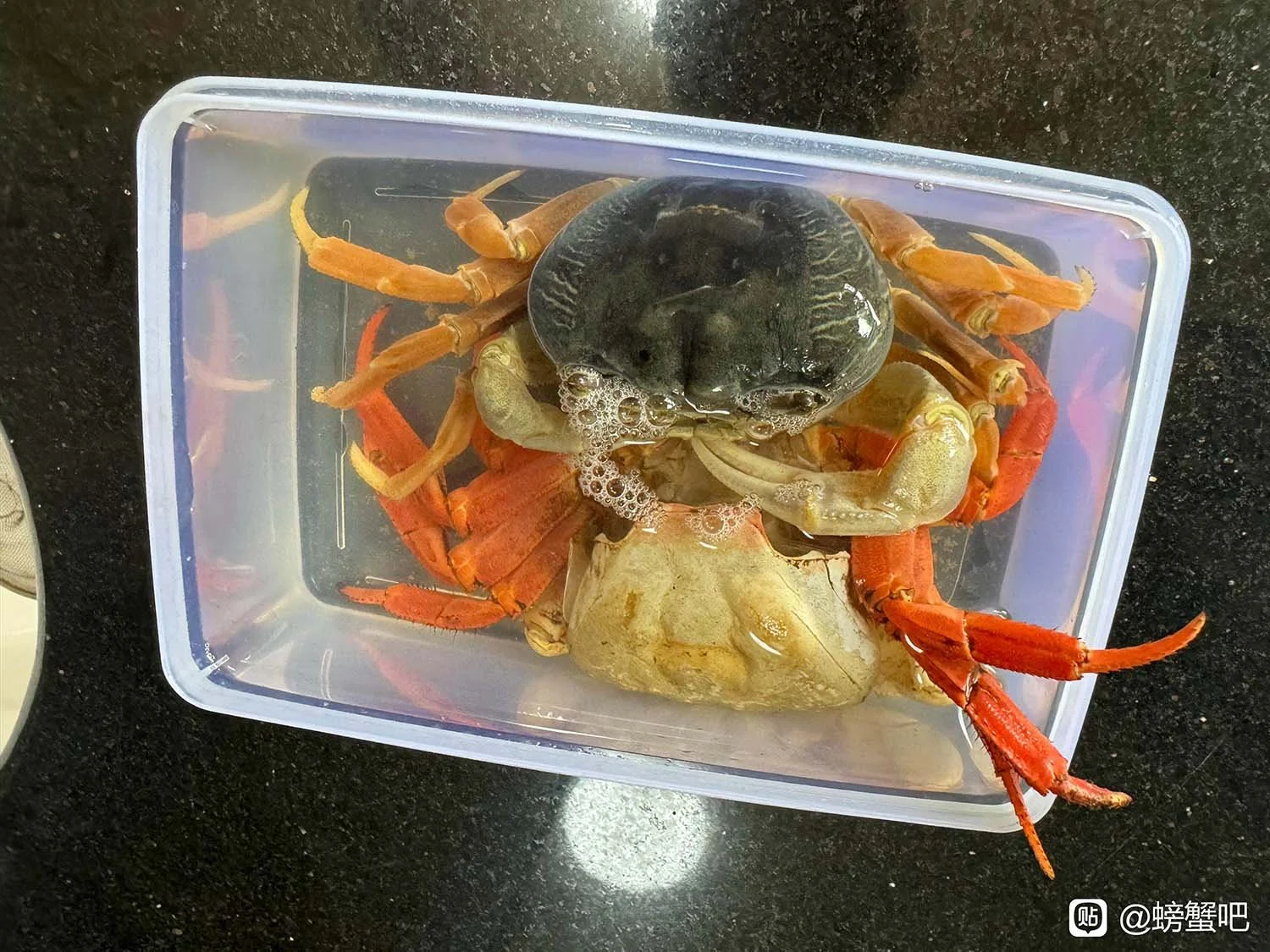
Each of these three species is able to dynamically change the colour of their blue over the course of hours. It seems to be brought on by changes in light, with deeper light causing more vibrant colours.

Substrate
Any substrate for love, or bare bottom for the dark method, guanhumi or carnifex.
Cohabitation
To be expanded with minimum size and the best gender pairings
Diet
Feed a balanced diet of vegetables, fish pellets, and shrimp. Once a week, roll a shrimp around in salt in order to supplement the crab with salt.
Breeding
No captive breeding data is currently available for this species
Data Source
The information in this guide was kindly researched and compiled by the team at Crustacean Council.