
BETTA MAHACHAIENSIS CARE GUIDE
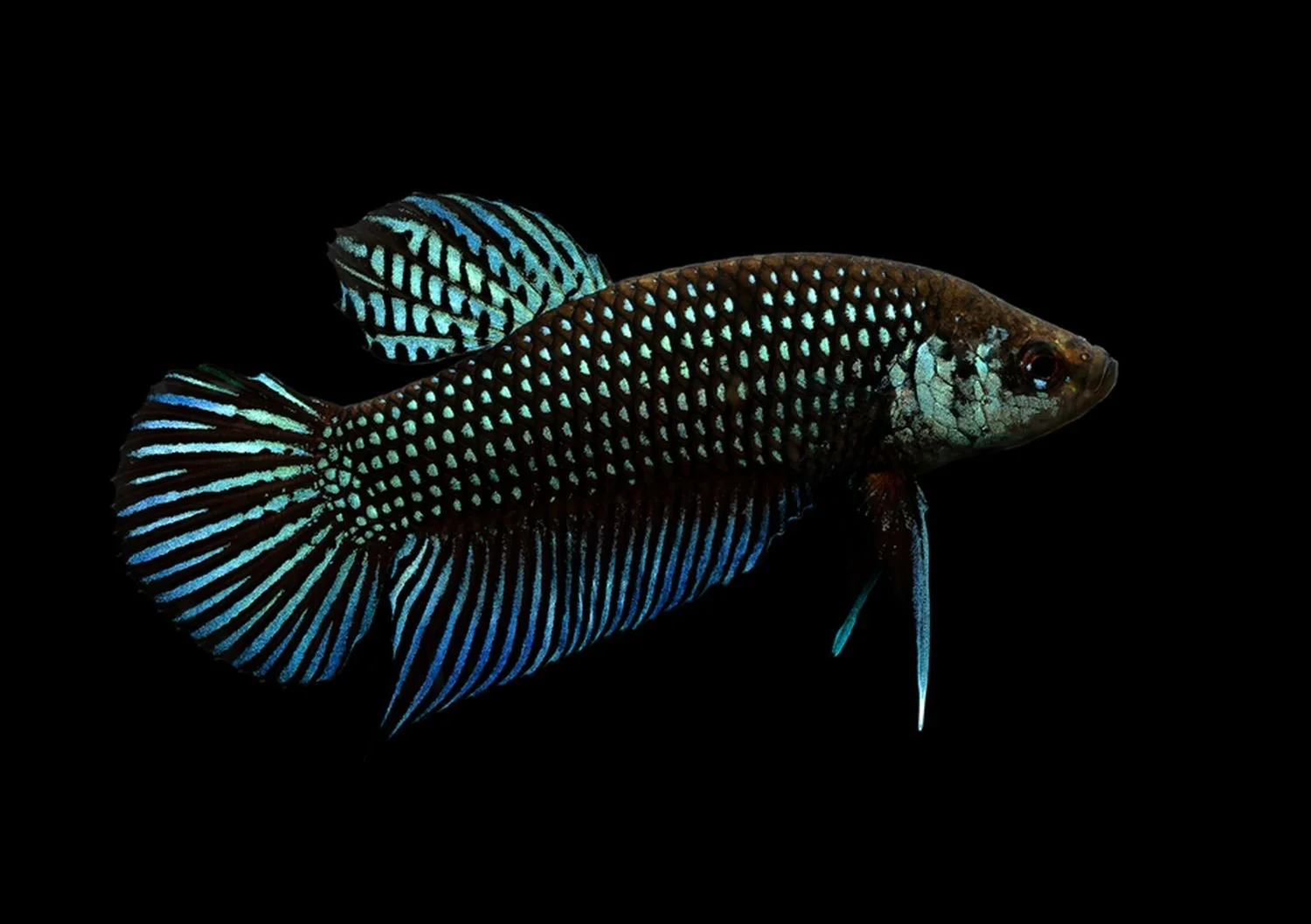
Source: iNaturalist (c) Andaman Kaosung – all rights reserved
Author: UncBeater268 (Reddit)
Betta mahachaiensis is one of the most beginner-friendly wild Betta species. It is intelligent, adaptable, and more social than many of its relatives. But there are still quite a lot of important things you need to be aware of before getting one. Beginner-friendly doesn’t simply mean you can buy one and drop it into some water. Don’t worry though, this guide covers all of the things you need to be aware of.
Species Overview
Scientific Name: Betta mahachaiensis
Common Names: Betta Mahachai
Maximum Size: Approximately 2.5 inches (6.35 cm)
Temperament: Peaceful to semi-aggressive, depending on space and environment
Behaviour: Active, alert, and trainable
Jump Risk: Extremely high: A secure lid is essential, one without any gaps. They will quickly find any holes and shoot out like a missile.
Water Parameters
Temperature: 75 to 82°F (24 to 28°C)
PH Range: 5.0 to 7.5
For Best Results: Water conditions for Betta Mahachaiensis should be soft and acidic, with pH ideally between 4.0 and 6.0, and hardness under 5 dGH. Temperatures around 75 to 82°F (24 to 28°C) suit them best. Using purified water sources like reverse osmosis (RO) or rainwater makes it easier to achieve these parameters, but it’s important to reintroduce essential minerals afterwards. If you don’t have access to RO or rainwater, natural botanicals like alder cones and Macaranga leaves can help lower and stabilise pH levels.
Diet
Natural Foods:
Mosquito larvae
Bloodworms
Flies
Detritus worms
Feeding Tip: A diverse, protein-rich diet supports health, colour, and breeding success.
Natural History and Description
Source: Wikipedia
Betta mahachaiensis is a bubble-nesting Betta species native to Thailand, primarily found in areas near the Gulf of Thailand. Its natural habitat includes stagnant or slow-moving waters such as swamps, pools, and ponds. Remarkably, this species is able to live in both freshwater and brackish environments, tolerating salinity levels from 1.1 to 10.6 parts per thousand. This adaptability is rare within the Betta genus.
The species typically grows to around 5 to 6 cm (2 to 2.4 inches) in length and is quite common in the aquarium trade these days.
Discovered in 2012 by researchers from Mahidol University, including Dr. Bhinyo Panijpan and PhD candidate Chanon Kowasupat, Betta mahachaiensis was first identified in Samut Sakhon Province. The species name is derived from the Thai name for the local sub-district where it was found.
Male B. mahachaiensis are known for their beautiful shimmering iridescent green to blue horizontal stripes on a dark brown or black base. These markings help distinguish them from related species such as Betta splendens.
As a labyrinth fish, Betta mahachaiensis possesses a specialised air-breathing structure known as the labyrinth organ. Housed in paired suprabranchial chambers, this organ consists of thin, vascularized tissue that allows the fish to breathe atmospheric oxygen, a vital adaptation for surviving in low-oxygen environments.
The video below is a great example of their natural habitat if you are looking to make a home for one.
BETTA MAHACHAIENSIS Tank Setup and Social Structure
Choosing the right substrate is the most important part of the entire tank setup process because it sets your ecosystem up for the best possible long-term results. For Betta Mahachaiensis, a dark substrate is ideal as it mimics the shaded, tannin-rich waters they come from and really helps bring out their vivid colours. Enhance this effect by adding natural materials like Macaranga leaves, Terentang leaves, or sterculia pods. These botanicals release tannins that gently tint the water with a soft brown hue, closely resembling their native blackwater habitat. Many of these botanicals also possess natural antibacterial qualities, which help keep your water healthier. If you are in an area where you can harvest alder cones, these work great as well. Just make sure you collect ones that are fully dried out and brown.
Aim to replicate the natural environment of Betta mahachaiensis as closely as possible. A blend of peat and fine sand makes an excellent substrate base. Incorporate regional botanicals from Southeast Asia, such as Climbing Swamp Ferns, Swamp Grass, Catappa bark and leaves, or Jambolan leaves to create an authentic, biotope-inspired aquarium that your bettas will thrive in.
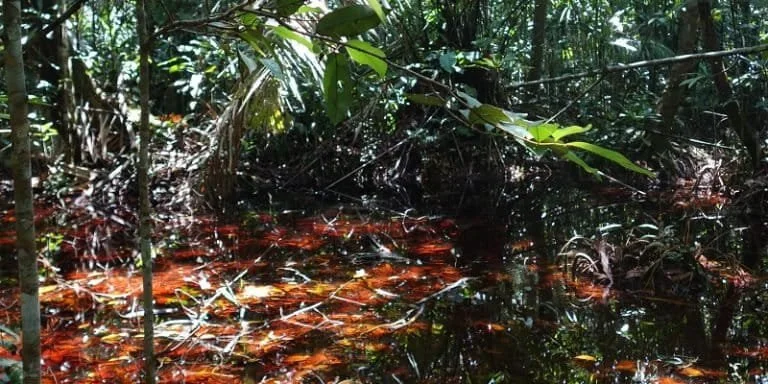
In botanical-style aquariums, the substrate is a living, dynamic layer. As leaves and pods slowly decompose, they enrich the substrate with organic matter like detritus, fungi, and biofilms. This “living substrate” fosters microfauna populations that serve as natural supplemental food sources for both fry and adult Betta Mahachaiensis. Unlike traditional setups, where debris is removed, here it stays and fuels microbial activity that helps maintain long-term water stability. This look does take a little bit of time to get used to and isn’t for everyone, but if you’re going to keep Betta Mahachaiensis, it’s the best method to use.
Community and Harem Setups
Betta mahachaiensis is unique among Bettas for its tolerance of same-species groups under the right conditions. You will need a heater to keep the tank within the right temperature ranges, and it’s a good idea to add a small filter to the tank as well. They don’t need a lot of flow, though.
Best Setup: Harem (multiple females with multiple males)
Recommended Tank Size for Harems: 72 to 90 gallons (273-341 litres) or larger. This large volume provides enough territory to reduce aggression and allows for natural interactions.
Harem Tip: Include one more male than the number of females (example: 3 males and 2 females). This increases the chance that the female will accept a mate.
Budget-Friendly Alternative
If a large tank is not possible, Betta mahachaiensis can be kept like a typical Betta:
10 gallons (38 litres)
As a breeding pair in 20 gallons (76 litres) with lots of hiding spaces
Always use a secure lid and provide a floating cover or visual barriers. They are exceptionally good jumpers!
Breeding
Betta mahachaiensis fry and larvae struggle to survive in water with pH levels above 6.8. At pH 7 or higher, adult fish can show visible signs of stress, such as horizontal stress lines and faded colouration. So aim to get your PH as close to 5.5 as possible before you do anything else.
Setup
Use a small breeding tank (2.5 to 5 gallons)
Add floating plants, leaf litter, and calm water flow
Keep the environment quiet and dimly lit
Breeding Stimulation Method
Raise the temperature slightly above normal
Drop it to simulate rain
Add new water to mimic environmental change
Slowly raise the temperature again