
AUSTRUCA CARE GUIDE
Author: Albomita
Austruca is a genus of brackish and saltwater fiddler crabs native to the coastal and estuarine regions of Asia. These charismatic crustaceans are known for their extreme sexual dimorphism, males sporting a single oversized claw and for their filter-feeding behaviour, where they sift through substrate to extract microscopic food particles.
Austruca species are commonly encountered in the pet trade, often sold under generic "fiddler crab" labels. Despite their popularity, they are frequently misunderstood and poorly cared for due to their unique feeding needs and environmental preferences.
These crabs are not just fascinating for their appearance; they also play a crucial ecological role in coastal environments, aerating sediment and facilitating nutrient cycling. In captivity, their care requires special attention to substrate and feeding method, making them best suited to aquarists with an intermediate level of experience.
Members of the species


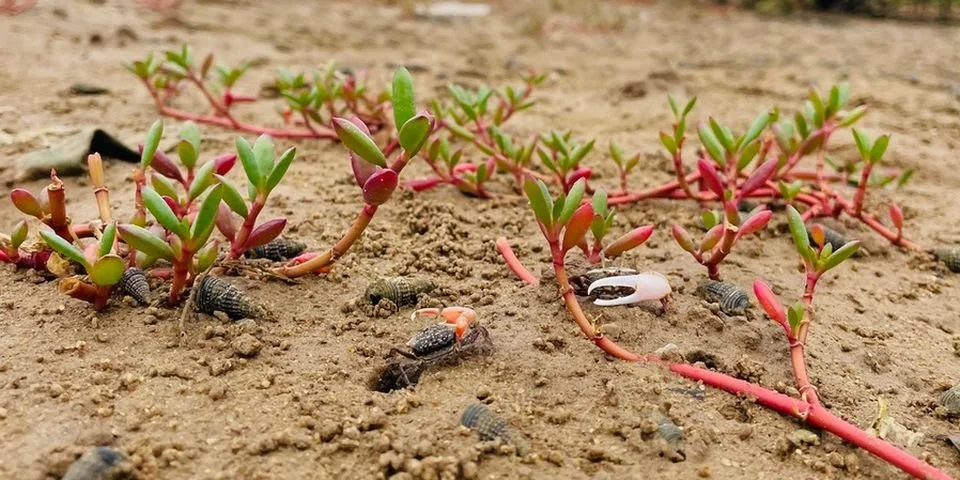

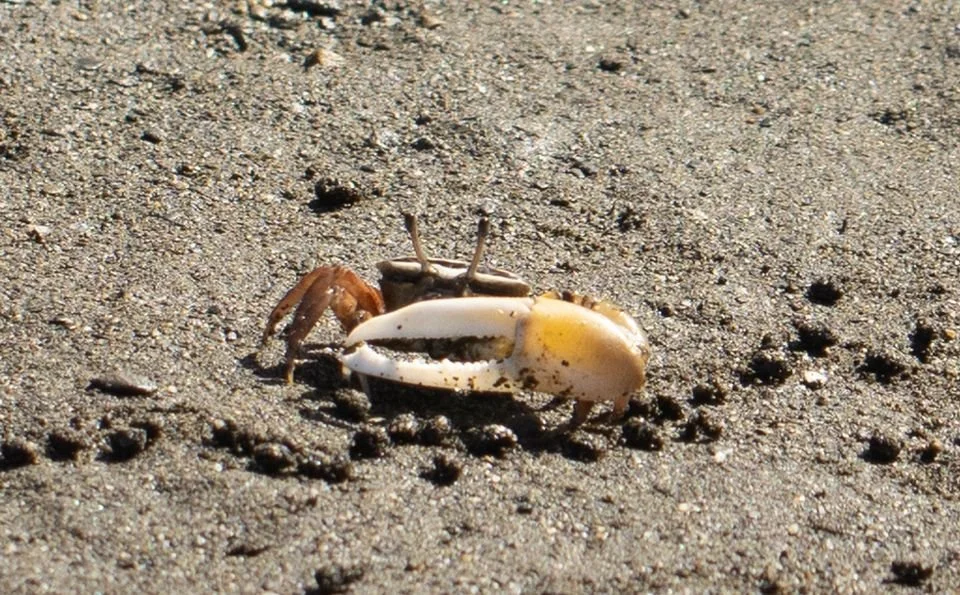


Conservation level
Currently not formally evaluated, though habitat loss in mangrove and coastal areas could potentially threaten local populations in the wild.
Care level
Intermediate
These crabs are hardy in terms of temperature and salinity, but their specialised feeding behaviour and need for specific substrate make them more demanding than standard aquatic invertebrates.
Enclosure and Environment
These crabs do not thrive in deep water setups. Instead, design a brackish shore tank with a wide, sloped land area composed of soft, moist sediment. They require shallow water access but are primarily terrestrial and should be able to climb out of the water completely.
Temperature: 27°C / 80°F
Salinity: Specific Gravity (SG): 1.015–1.025 | Parts Per Thousand (PPT): 20–35 ppt
Humidity: 80% (especially important in humid tanks with land zones)
Minimum Tank Size: 15x15 cm (6x6 inches) for an m/f pair. Larger enclosures (e.g., 30x15cm or more) are preferred for social interaction and burrowing
Lighting: Provide a natural day-night cycle.
Substrate
Substrate is a critical element for this species:
Preferred Substrates:
Natural beach sea sand
Organic potter’s mud
Live mud from wild brackish zones (if collected safely)
If using mud, you must introduce either mangrove seedlings or live detritivores (like worms) to oxygenate the substrate and prevent toxic gas buildup.
Deep, damp substrate supports their feeding and burrowing behaviours and allows them to remain stable and comfortable during molting cycles.
If you have the ability and skill, setting up a tank that mimics a tidal mangrove ecosystem is ideal, but that isn’t always possible, yet certainly something to aim for.
Cohabitation
A single m/f pair can be housed in a 15x15 cm space, but providing more room (and hides) reduces stress
Avoid housing multiple males unless in a large, complex enclosure
These crabs are social but can show aggression if overcrowded
Note: They are territorial, so you need a hiding spot and at least 15cm×15cm for a pair.
Diet
Austruca species feed by sifting through substrate, extracting organic material and microscopic organisms. In captivity, this behaviour must be supported by feeding powdered food directly onto their substrate.
Feeding Method:
Sprinkle powdered food lightly on the substrate once daily
Recommended Foods:
Powdered coral foods
Chlorella powder
Phytoplankton-rich suspensions
Brackish-safe microorganism cultures (optional for natural setups)
They do not eat large pellets or flakes like many aquarium crabs. Ensuring they have biofilm or fine organic detritus in their sediment is essential for their health and natural behaviour.
Data Source
The information in this guide was kindly researched and provided by @TheTentGuy at Crustacean Council.