
STIPHODON GOBIES: COMPLETE CARE GUIDE FOR RAINBOW GOBIES
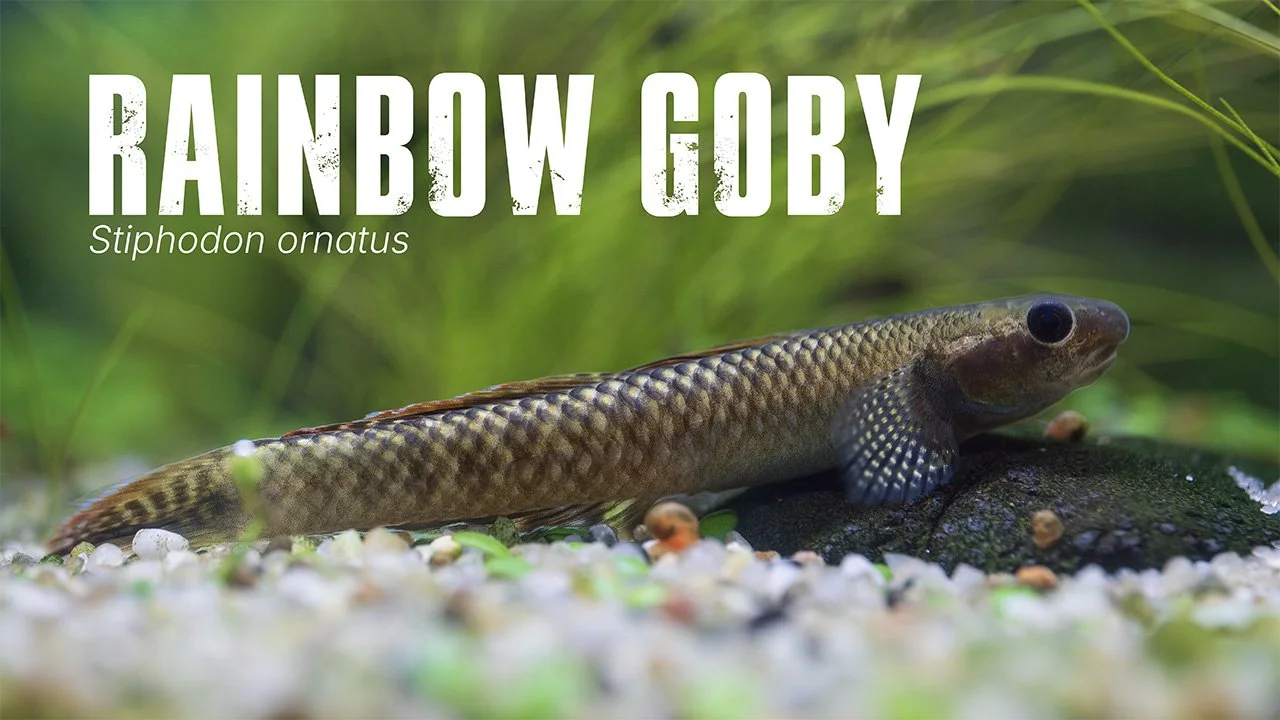
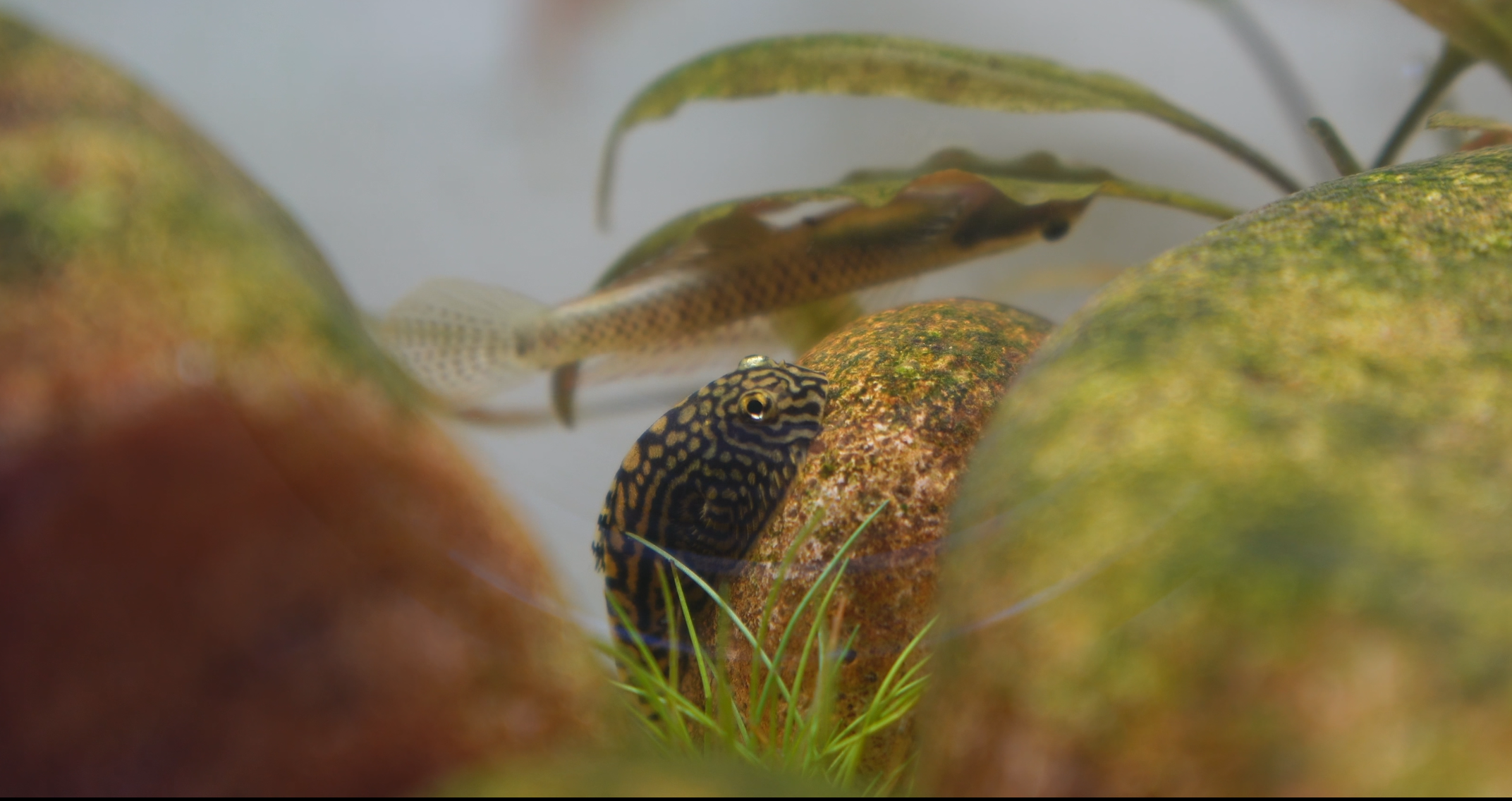
These little guys are Stiphodon Gobies, and they are one of my favourite fish in the entire hobby. They are super tough, easy to care for, and full of character and personality. The species I’m focusing on here is Stiphodon ornatus, more commonly known as the Rainbow Goby. I’ve been keeping them for quite a while now, so I wanted to break down everything I’ve learnt and share what you can expect if you’re thinking about getting some.
The best part is that this information applies to pretty much all Stiphodon species commonly kept in the hobby, since they share many of the same behaviours and requirements.
Tank Setup
In the wild, Stiphodon Gobies come from fast-flowing river systems, often found on volcanic or coastal islands. These environments are packed with oxygen, covered in rock surfaces, and constantly growing with biofilm and algae.
If you want to keep these fish at their happiest and encourage their most natural behaviours, recreating this kind of environment is the way to go.
Their natural habitats usually have fine gravel or sand, mixed with smooth stones, algae-covered rocks, and plenty of small gaps and hiding places between rocks. These fish spend a huge amount of time exploring these surfaces, grazing, and moving between crevices.
You’ll often find multiple goby species sharing the same areas in the wild, along with shrimp, crayfish, and other small invertebrates. In my experience, Rainbow Gobies are completely shrimp-safe and work really well with Dwarf Mexican Crayfish too.
When choosing a tank, I wouldn’t go smaller than around 80 cm in length. These fish are incredibly active and spend almost all of their time along the bottom of the aquarium. Height is not very important for them, so a long and shallow tank is usually the better option.
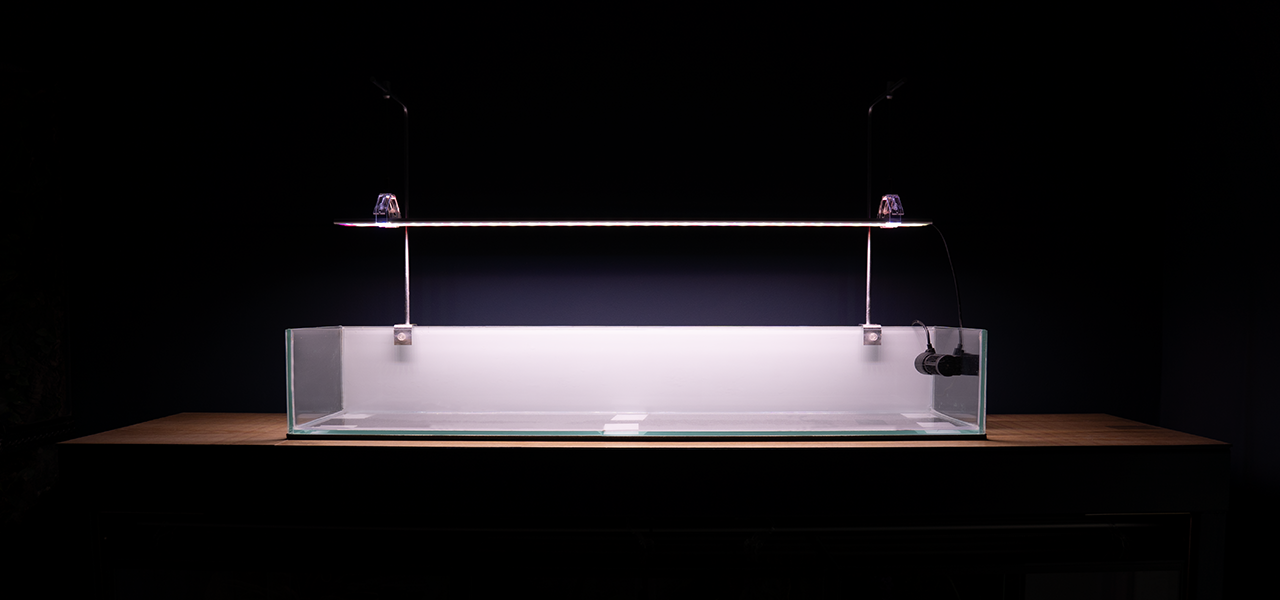
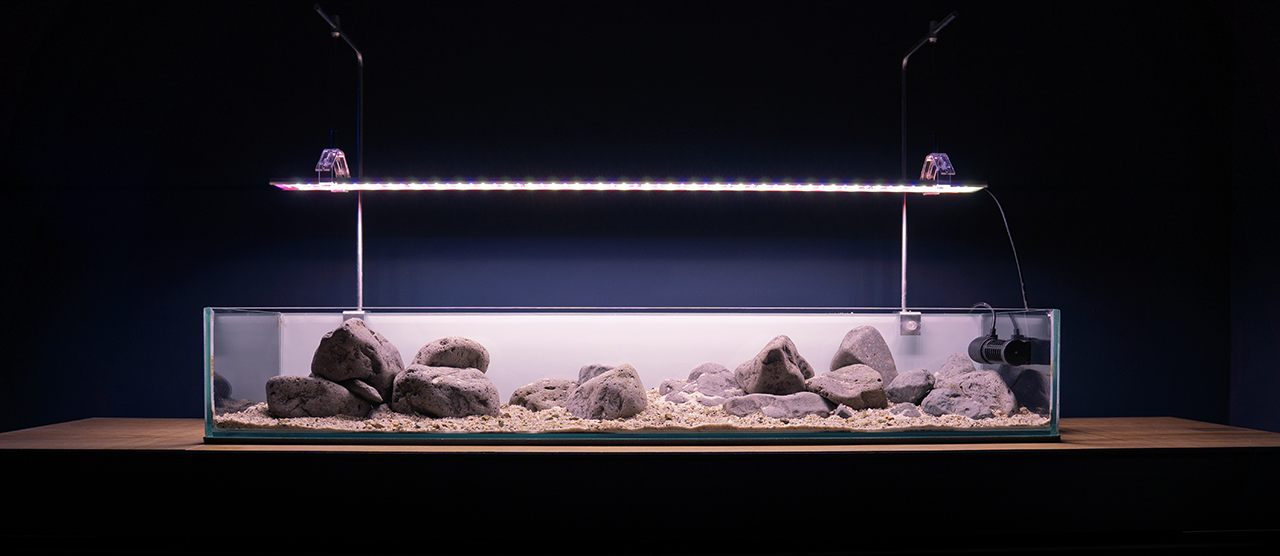
Once you have the right tank, the goal is to create a natural-looking riverbed. Use a mixture of gravel sizes and add plenty of smooth rocks that will collect algae over time. Try to create as many natural gaps, cracks, and little spaces as possible.
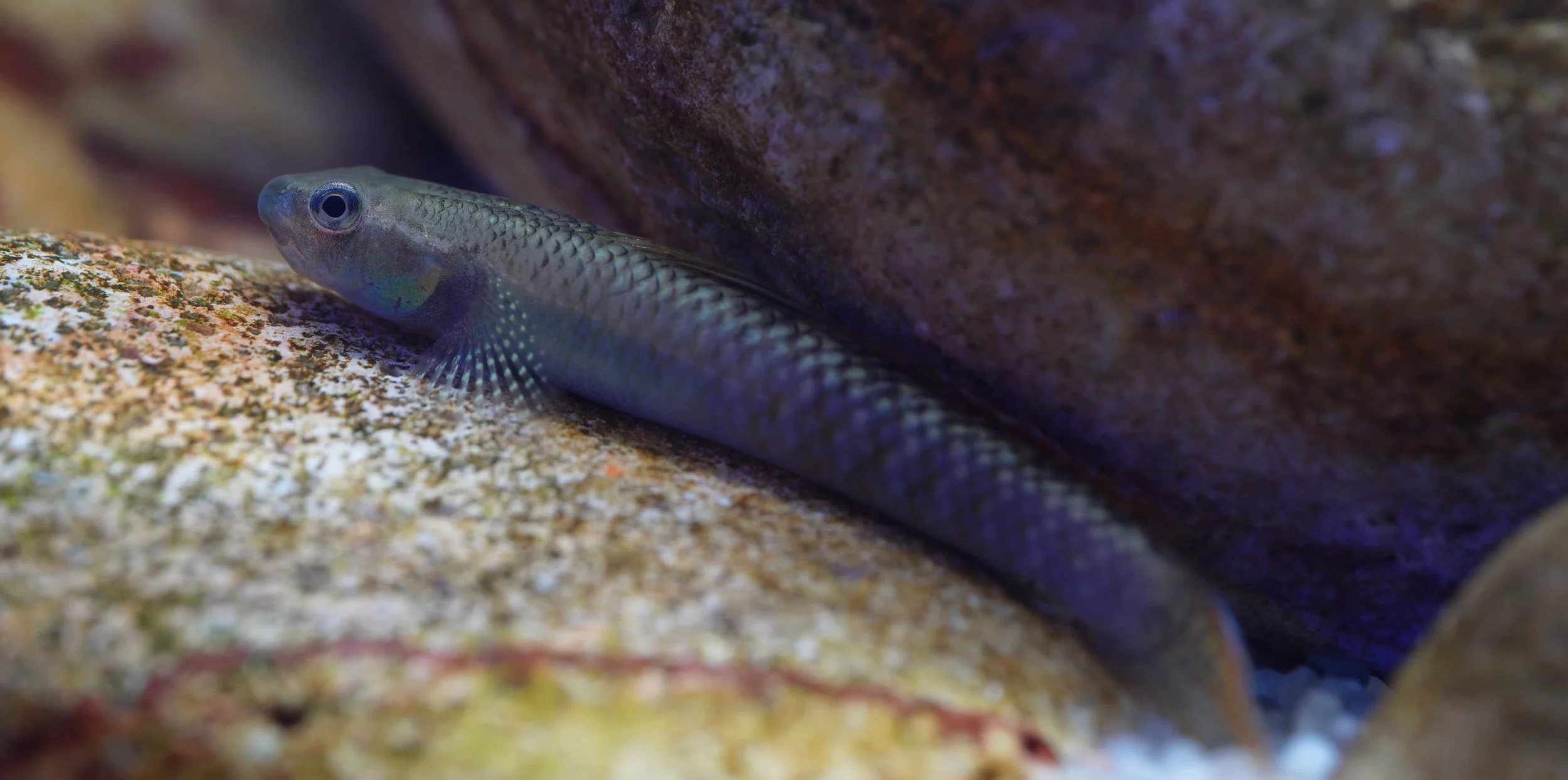
Rainbow Gobies love darting between rocks and will often create their own little hiding spots and burrows.
They are not usually easily startled, but when they do get scared, their first instinct is to go down rather than up. Because of this, a tank with plenty of hiding places often doesn’t need a lid. However, adding one is always an option if you prefer the extra security.
Since they like digging and burrowing, I would avoid keeping them in a tank with a lush green carpet. Their natural behaviours can make maintaining a perfect carpet much more difficult.
Size and Lifespan
Stiphodon Gobies can vary quite a bit in size depending on the species.
Smaller species may only reach around 3 to 5 cm, while larger species can grow closer to 6 to 7 cm or more. Because of this, tank size depends on the exact species you are keeping, but the same basic rule applies across the group: more bottom surface area is always better.
For such small fish, Rainbow Gobies actually have a surprisingly long lifespan. With good care, 5 to 6 years is common, and some reports suggest that 10 years or more is possible.
Feeding
In nature, Stiphodon Gobies spend most of their time grazing on biofilm, algae, and microscopic organisms growing on rocks and hard surfaces.
Because of this, a mature aquarium with plenty of natural algae growth is one of the best things you can provide for them.
When setting up a new tank for gobies, I like to run the lights at maximum intensity for around 12 hours a day during the first couple of months. This helps encourage algae growth on the rocks and gives them a constant natural food source.
You can also supplement their diet with foods like spirulina wafers, algae-based sinking foods, and gel foods designed for herbivores and grazers.
Some individuals may take a little while to accept prepared foods, but most eventually adapt.
Occasional protein-based foods like brine shrimp or small frozen foods are also enjoyed, although these should not make up the majority of their diet.
Water Parameters
Most Stiphodon Gobies do well in a pH range of around 6.5 to 7.5. They generally prefer soft to moderately hard water, although many can adapt well if they are introduced slowly and properly acclimated.
Temperature depends on the species, but most fall somewhere between 22 and 28°C. Some species naturally come from cooler regions like Japan, while others come from warmer tropical areas, so it is always worth checking the specific needs of the species you are keeping.
In my experience with Stiphodon ornatus, they are tough as nails. Mine have tolerated temperatures from 15 to 28°C, very hard water with a TDS between 300 and 900, and a pH around 8.
As long as you acclimate them slowly, they seem capable of handling most typical home aquarium conditions.
Tank Mates
Rainbow Gobies are fantastic community fish because they are extremely peaceful.
I think they actually do best when kept in a small group rather than alone. Groups of four or more work really well because, surprisingly, they are quite social and spend more time together than you might expect.
I also haven’t noticed any major issues with sex ratios. Any mix of males and females seems to work fine, which is helpful because sexing them can be quite difficult.
Since they are peaceful regardless of ratio and are extremely difficult to breed in home aquariums, there usually isn’t much point in trying to select specific sexes.
They mostly keep to themselves and won’t bother other fish, so they can be kept with anything that isn’t overly aggressive.
I keep mine with Hillstream Loaches, shrimp, and sometimes Dwarf Mexican Crayfish. The crayfish do not bother the fish, and the fish do not eat baby crayfish or shrimp.
Breeding
Breeding Rainbow Gobies at home is extremely difficult.
Their natural life cycle includes a marine or brackish water stage. The eggs hatch in freshwater, but the larvae require saltwater conditions to properly develop.
There are some people working on breeding them, but for most hobbyists, successfully breeding them is going to be a major challenge.
Wild Caught or Captive Bred?
The last thing worth mentioning is that these fish are all wild-caught, which is something that may not suit everyone.
They also are not usually the cheapest fish available, but they do live for a long time and are incredibly interesting to watch. Their behaviour, constant movement, and unique personality make them one of those fish that you can spend hours observing.
If you are looking for an oddball fish that is peaceful, hardy, and full of character, I think a small group of Rainbow Gobies is something you will really enjoy keeping.