
KEEPING PEA PUFFERS AND SHRIMP TOGETHER
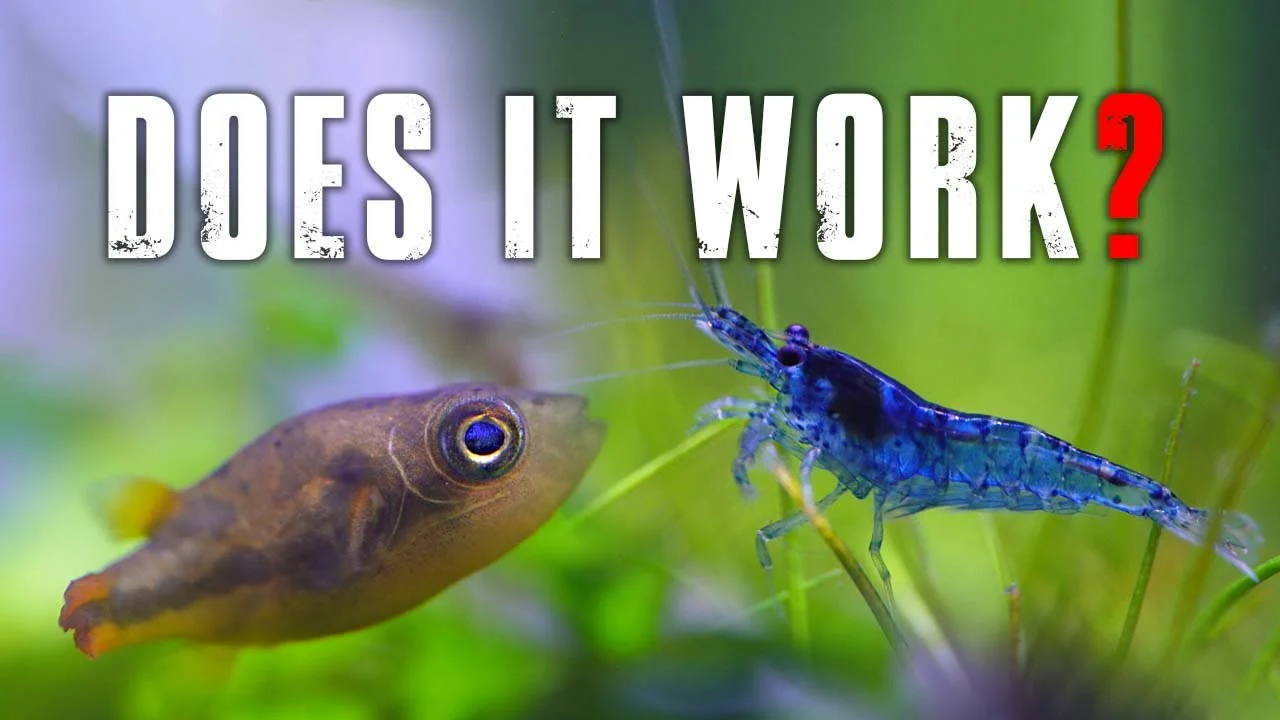
Can you keep dwarf puffer fish (pea puffers) with shrimp?
One of the most common questions I got after sharing my pea puffer aquascapes on YouTubeand Instagram is whether they will destroy a shrimp colony. The short answer people expect is usually “yes, absolutely,” but my experience has been very different.
In this guide, I want to walk through how I’ve consistently kept pea puffers with shrimp while still maintaining, and even growing, a healthy shrimp population.
Now, I’ll say upfront: The idea that pea puffers always wipe out shrimp populations feels exaggerated. That doesn’t mean it never happens, and I’m sure plenty of people have horror stories. But in many cases, it comes down to either poor feeding practices or an environment that encourages unnecessary aggression. If you’ve had a different experience, it’s worth reflecting on those conditions rather than assuming it’s inevitable.
Perspective: Keep in mind what is shown here isn’t the only tank design where this will work. The more plant and hardscape density the better. This is primarily an example of how to prevent predation of shrimp by exploiting predator behaviour.
Can you keep pea puffers with shrimp?
CAN YOU KEEP PEA PUFFERS WITH SHRIMP - Designing A Tank for Peaceful Coexistence
When my girlfriend and I built our first pea puffer tank, we knew we were working with six pea puffers. That immediately shaped the design.
Pea puffers are social, but they’re also territorial in small bursts of aggression. To reduce this, the layout needed plenty of broken sightlines so no fish could constantly lock onto another.
We achieved this by building two separate rock islands using larger stones. From multiple angles, these structures block direct line of sight, allowing fish to simply move away instead of being trapped in constant visual tension. Within the rockwork, we also created small caves and gaps that the puffers could retreat into when needed.
It’s a simple idea, but it worked extremely well. We didn’t experience any meaningful aggression issues.
To complement this, we planted dense grassy areas along the background and sides of the tank. These weren’t just aesthetic, the puffers regularly use them as resting and hiding spaces, which helps diffuse stress throughout the day.
Below is a full build video of the 1st tank we created. So you can see it all in action.
Understanding the Feeding Dynamic (This Is the Key Part)
This is where most people go wrong.
Pea puffers are active hunters, and their natural preference is snails. Not shrimp, snails.
And like most predators, they will always prioritise the easiest available food source they enjoy.
If you use that behaviour correctly, it becomes a tool rather than a problem.
In my tanks, snails are not a pest, they are a managed food supply. I intentionally maintain a steady snail population and replenish it when needed. However, it’s important to understand that puffers can clear out snails quickly if you’re not staying ahead of demand.
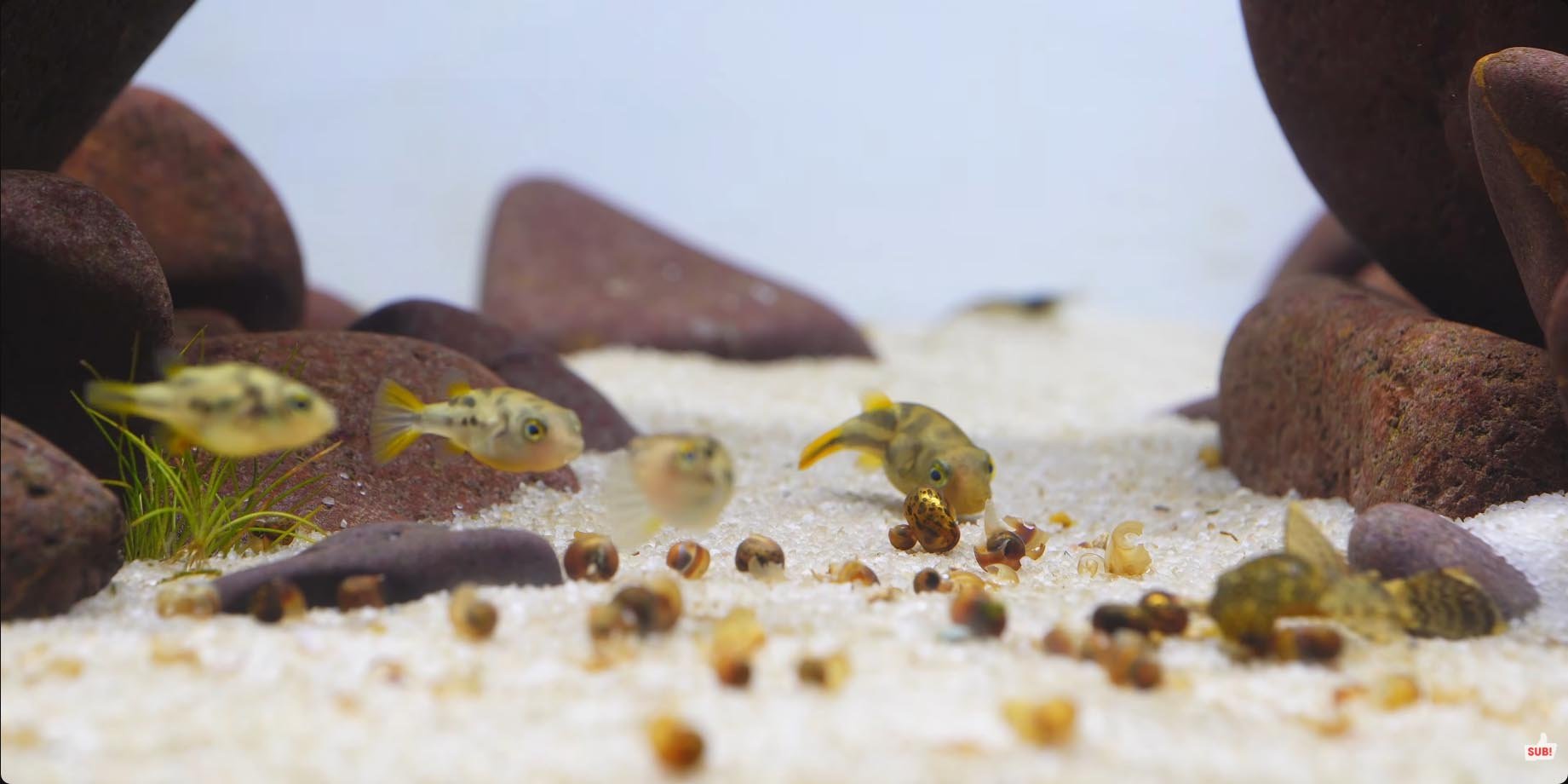
How to keep pea puffers with shrimp
To support this, I also feed bloodworms around three times per week to ensure they’re not underfed or forced to hunt excessively.
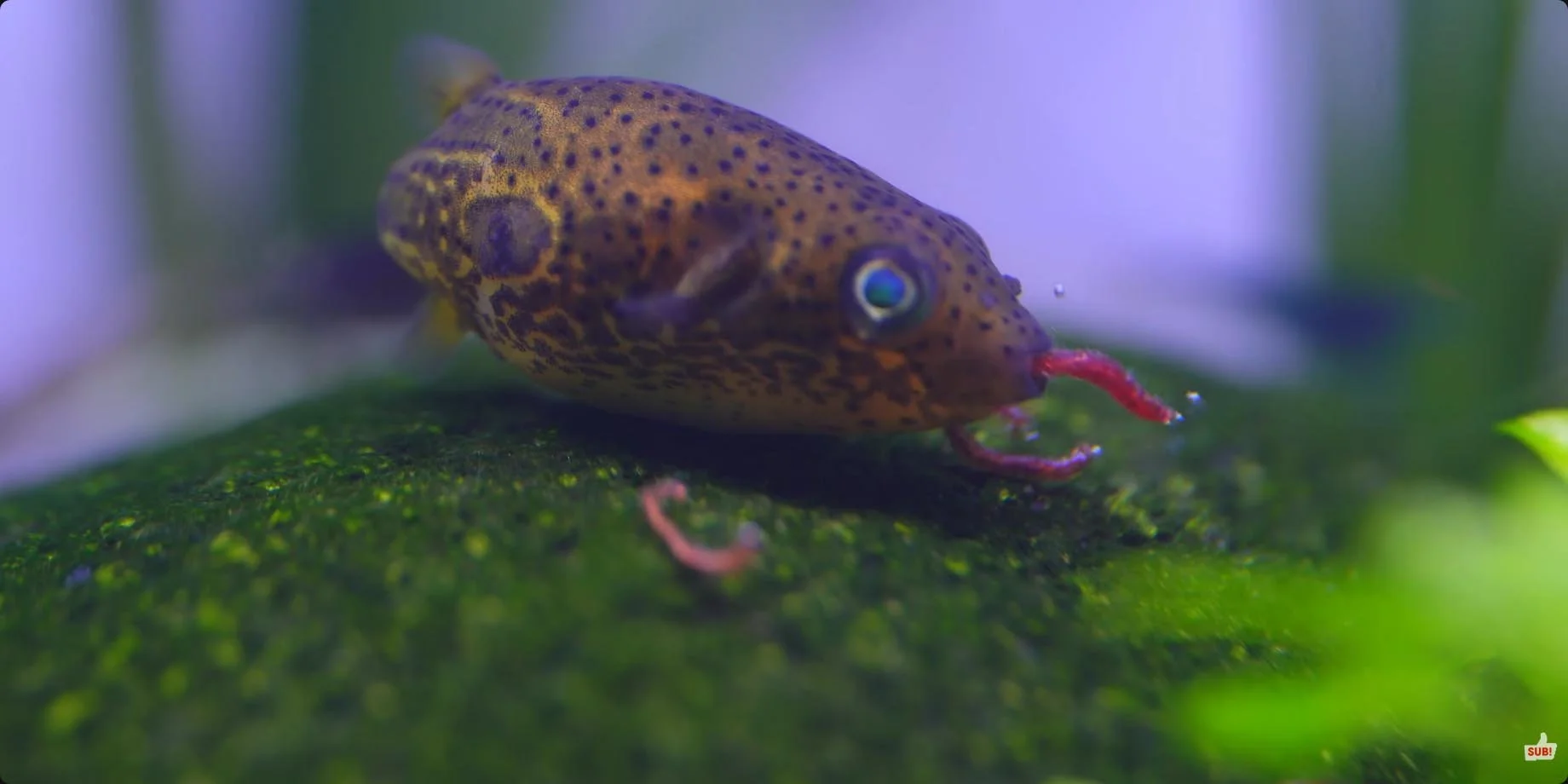
The best way to keep pea puffers with shrimp
The aquascape itself also plays a role here. Using dwarf hairgrass and other carpeting plants creates a dense ground layer where snails and baby shrimp can hide. This doesn’t remove hunting opportunities, but it makes predation more selective. Puffers have to work harder to access prey in the carpet, so they tend to focus on easier targets like exposed snails instead.
The First Shrimp Test
To see whether this approach actually protected shrimp, we introduced a small group of low-grade shrimp into the established tank.
At first, we simply observed. No shrimp disappeared. No sudden crashes.
Over the following weeks, things became even more interesting. Around the one-month mark, we spotted the first berried shrimp. After that, the population steadily increased, eventually doubling, then tripling, and reaching a point where the tank was even producing surplus shrimp for other setups.
At that stage, it was clear the system was working.
Repeating the Experiment
One successful tank doesn’t necessarily prove a method, so we repeated the same concept in a second setup.
This time, we also introduced a new variable: we swapped a few of the puffers with fish from a friend’s tank to rule out the possibility that we simply had unusually peaceful individuals.
The new aquascape followed the same core principles, two island layout, strong sightline breaks, but the planting was even denser. The background plants formed thicker clumps, and the carpet of dwarf hairgrass was more complete, offering even more micro-hiding spaces for shrimp and snails.
Once again, we followed the same feeding approach: consistent snail availability, regular bloodworm feedings, and careful observation of population changes.
The results were even stronger than the first tank. The shrimp population didn’t just stabilize, it exploded. Below is a full build video of the 2nd tank we created. So you can see it all in action.
The Core Principle Behind It All
At the heart of this approach is a simple idea:
Predators choose efficiency.
If you provide a pea puffer with an unlimited supply of easy, preferred prey, in this case snails, there is very little incentive for it to actively hunt fast-moving shrimp, especially in a complex environment where shrimp have access to dense cover.
Instead of trying to prevent hunting altogether, you redirect it.
You’re not eliminating predation, you’re managing where it happens.
When that balance is right, pea puffers and shrimp coexist without any major shrimp losses.