
HOW TO BUILD A VERTICAL STYLE TANK FOR VAMPIRE CRABS

Spray foam free vertical ecosystem paludarium
Over the years, I've created tons of vampire crab ecosystems, all of which you can find on my YouTube channel. However, this time, I'm doing something completely different. I’ll be building a massive, high-tech, spray foam-free, mostly organic vertical-style vampire crab ecosystem in an Exo Terra 45x45x90 terrarium. This project will house a rare type of arboreal Geosesarma vampire crab species that molts on land and spends more time in the canopy than on the ground.
Vampire crab Tank Setup GUIDE
The tank is an Exo Terra Small, X-tall 45x45x90cm terrarium, paired with an Exo Terra 45x45x70 cabinet.
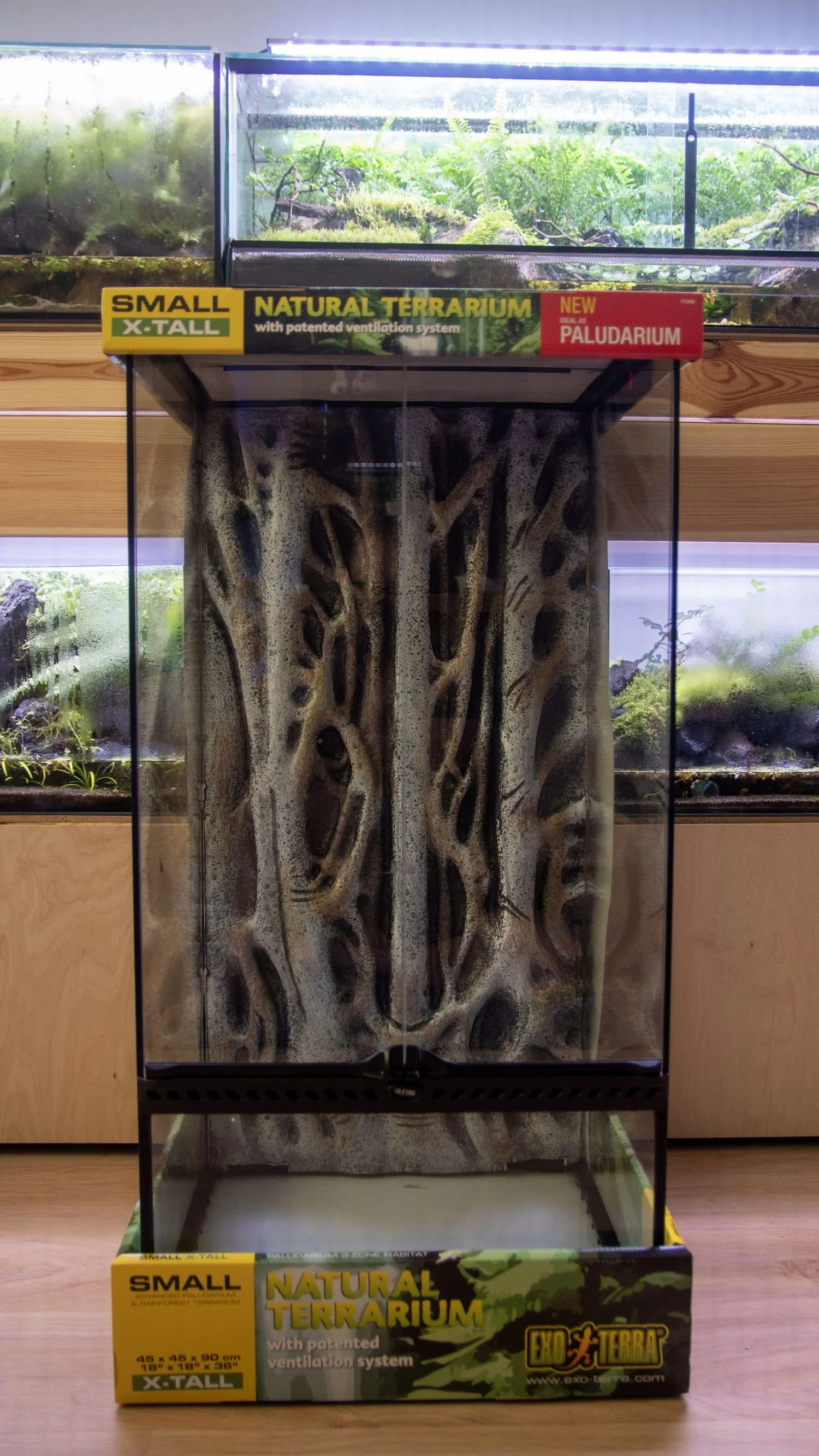
Exo Terra Small x-tall for vampire crabs
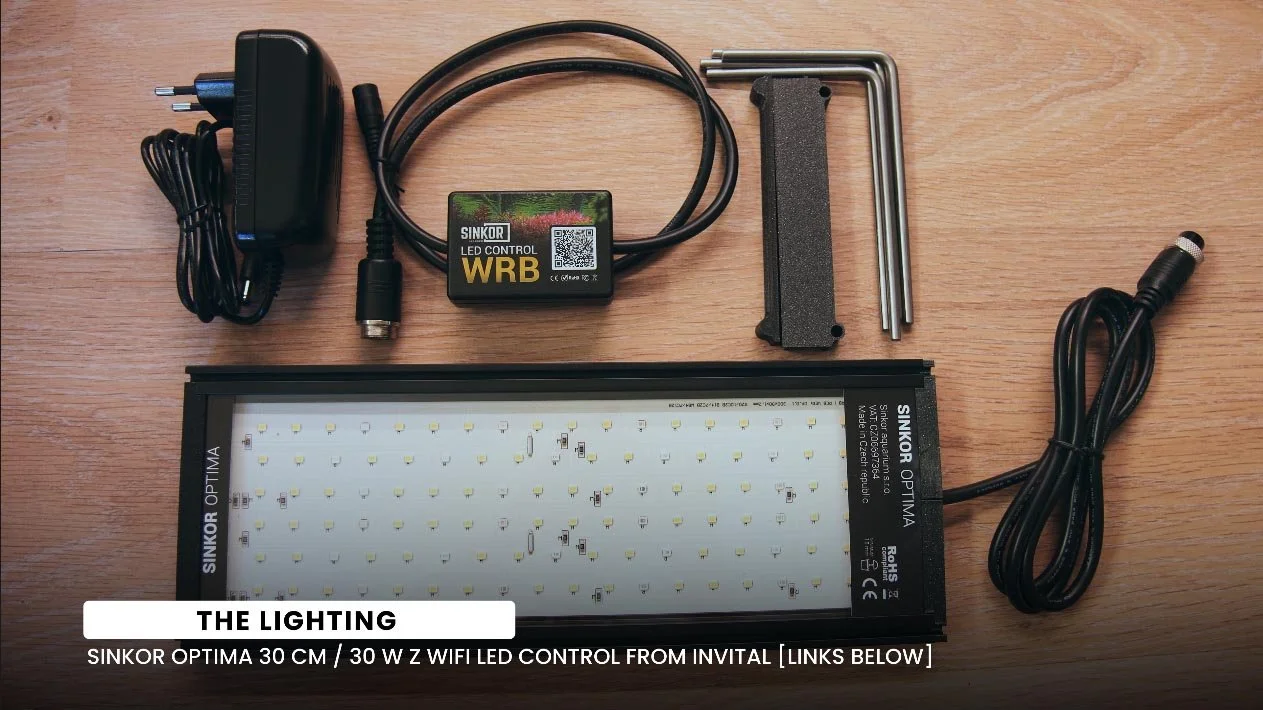
For lighting, I’m using a Sinkor Optima 30cm WRB app-controlled light, which provides ideal lighting for this tank size.
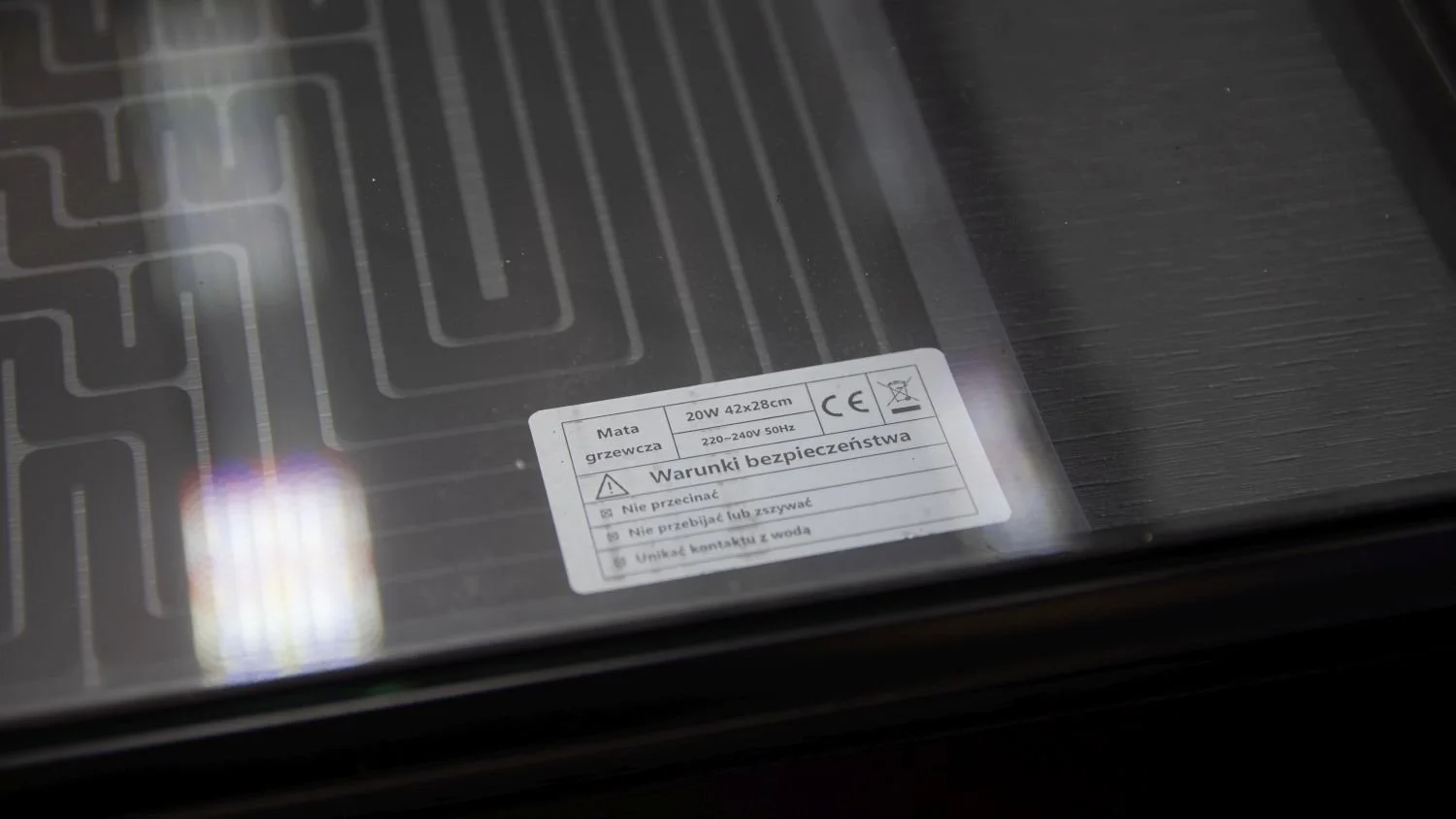
Heating is managed with a generic heat mat placed underneath the tank, ensuring proper ventilation to avoid overheating.
Temperature and Humidity Control
For temperature and humidity, I use a basic temperature controller attached to a DIY fan system set up in a push-pull configuration.
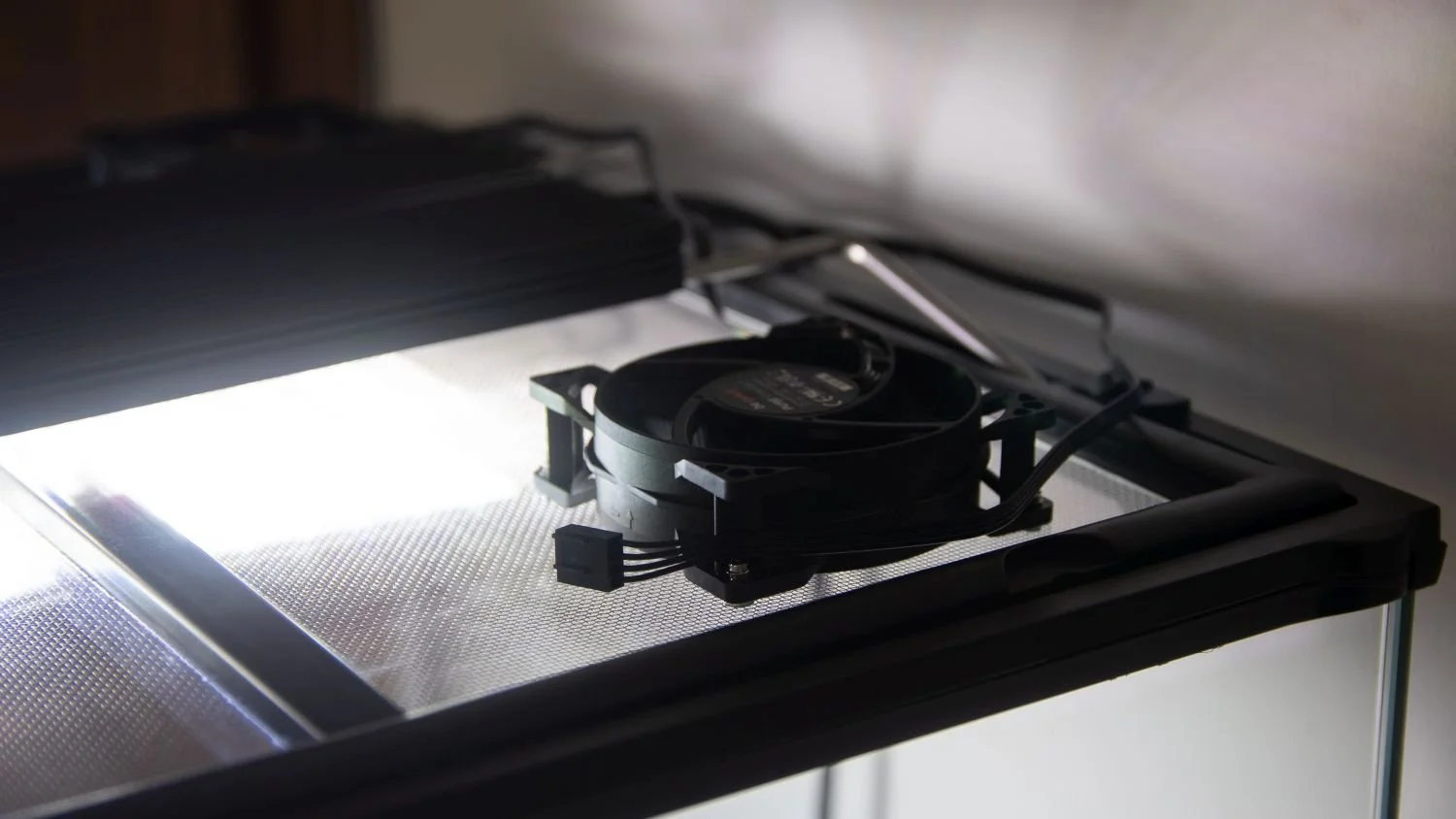
DIY Cooling system
A fogger, specifically an Exo Terra model, turns on twice a day for 15 minutes each in the morning and afternoon. Though I will probably tweak the times I’m using it as time goes by.
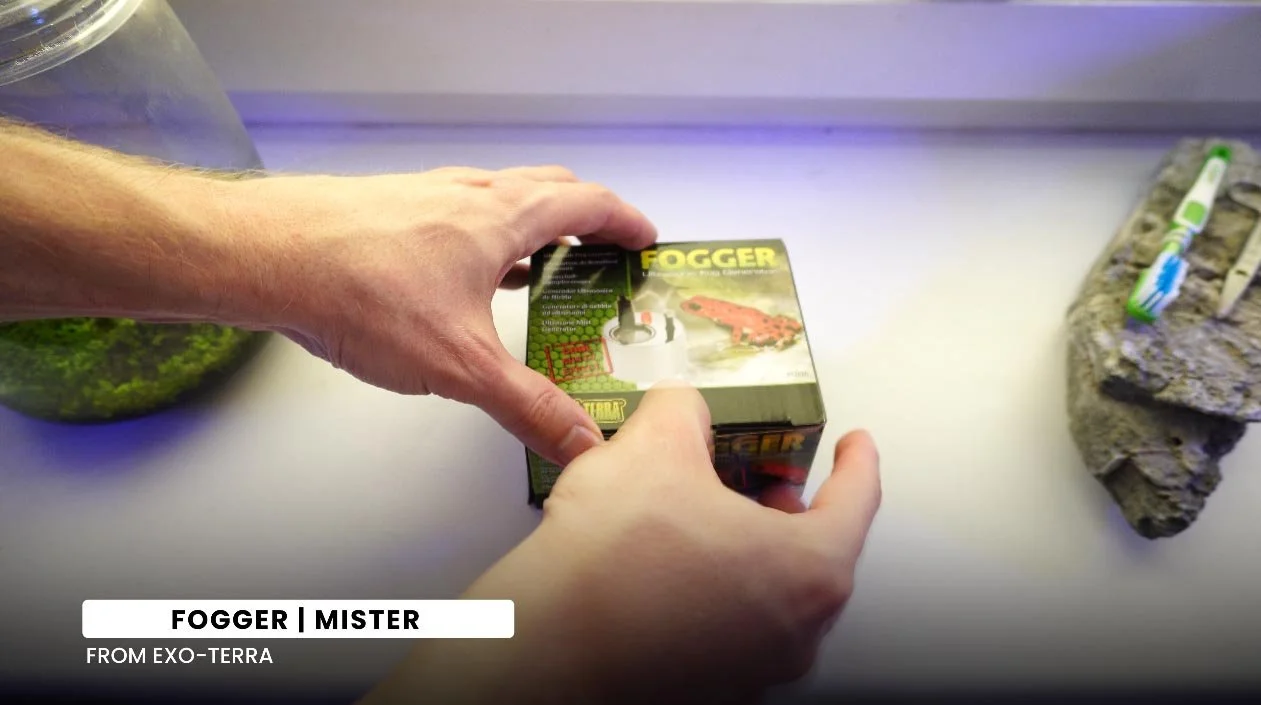
Additionally, I’m incorporating a small waterfall, which you’ll see a little further down. To keep this vampire crab paludarium as organic as possible, I’m also avoiding spray foam and have opted instead for pressed cork boards, made of cork and charcoal.
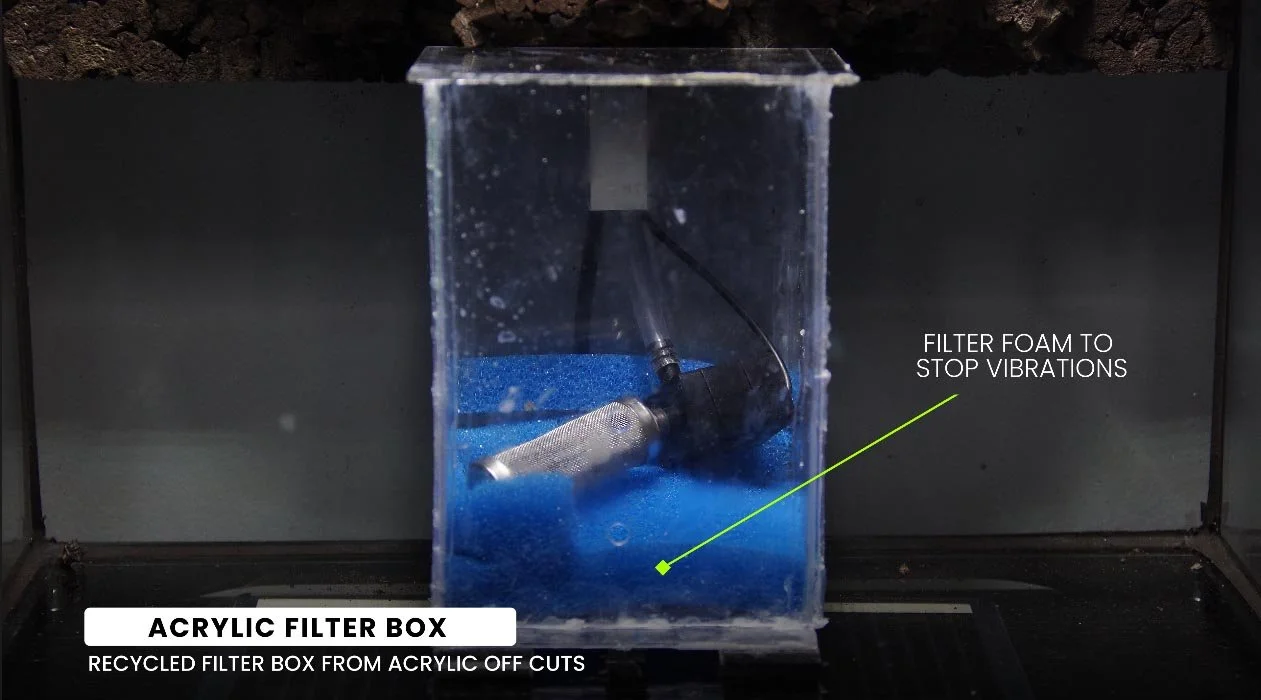
This tank will serve as the centrepiece of my animal room, visible from three sides, so I’m placing the cork boards on a side panel for better viewing.
Construction Details
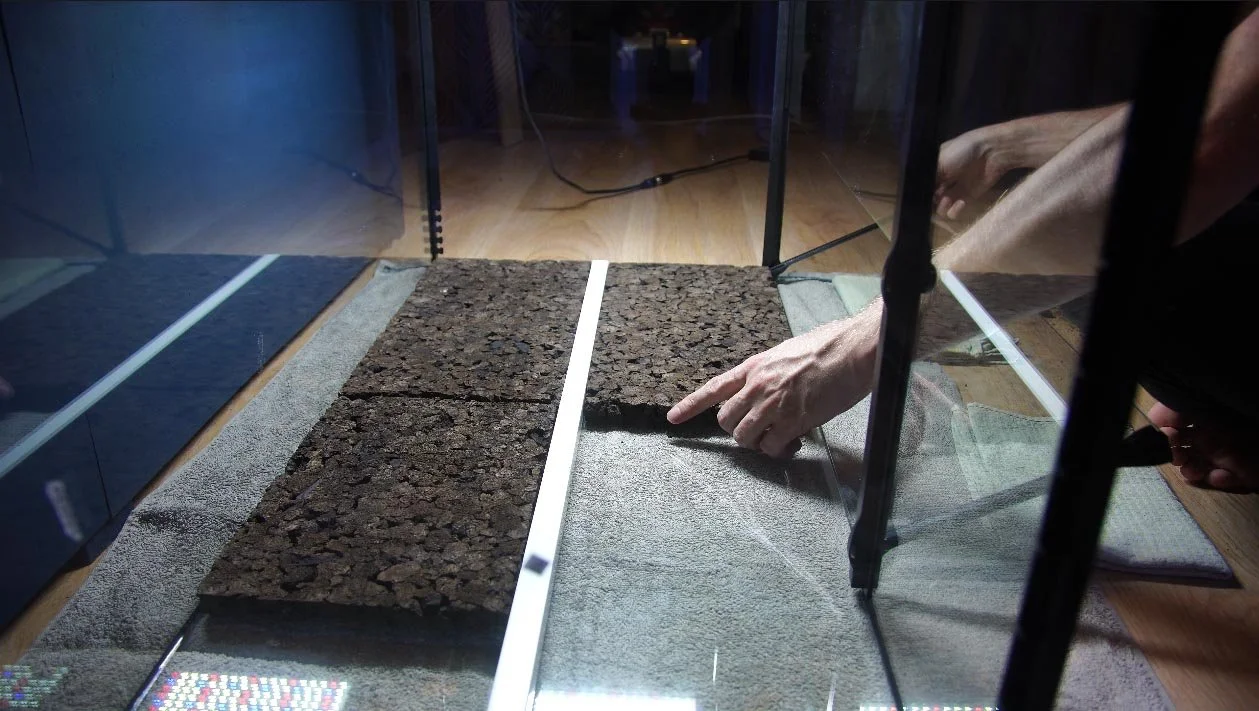
Before attaching anything, I sized up the cork boards to ensure they fit correctly. The white plastic box section in the middle will route the waterfall tubing and the pump’s power cable. The goal is to have a small pool at the tank’s top, giving the crabs multiple water sources. Once everything is sized properly, I’ll glue the pieces down with silicone, which is one of the few non-organic elements in this build. If you know of a good organic silicone alternative, I’d love to hear about it!
After gluing, I placed heavy items on the boards for about 12 hours to ensure strong adhesion. Once set, I added more cork panels over the box section for concealment. Using Gorilla Glue (known as “Bison Glue” in some regions), I attached the cork securely but ensured the box section could still move if I needed to make adjustments later. For the final stage, I adhered random corkboard pieces to the background, creating a natural look for attaching other elements later. Here’s how it looked a few days later after drying and setting it up in its final position. The background measures 72cm from top to bottom, with remaining space dedicated to land and water.
The Waterfall and Background Detailing
The pump sits in a small filter box at the tank’s bottom, made from scrap acrylic. With the pump system in place, I began detailing the cork background using a Dremel tool, which works well with any default sanding bits. Wearing a dust mask is essential here since cork dust can be intense. Although time-consuming, this process was enjoyable and yielded a great texture without needing spray foam.
For the substrate, I started by layering sand, especially where sharp rocks will be placed, to prevent pressure points that might crack the glass.
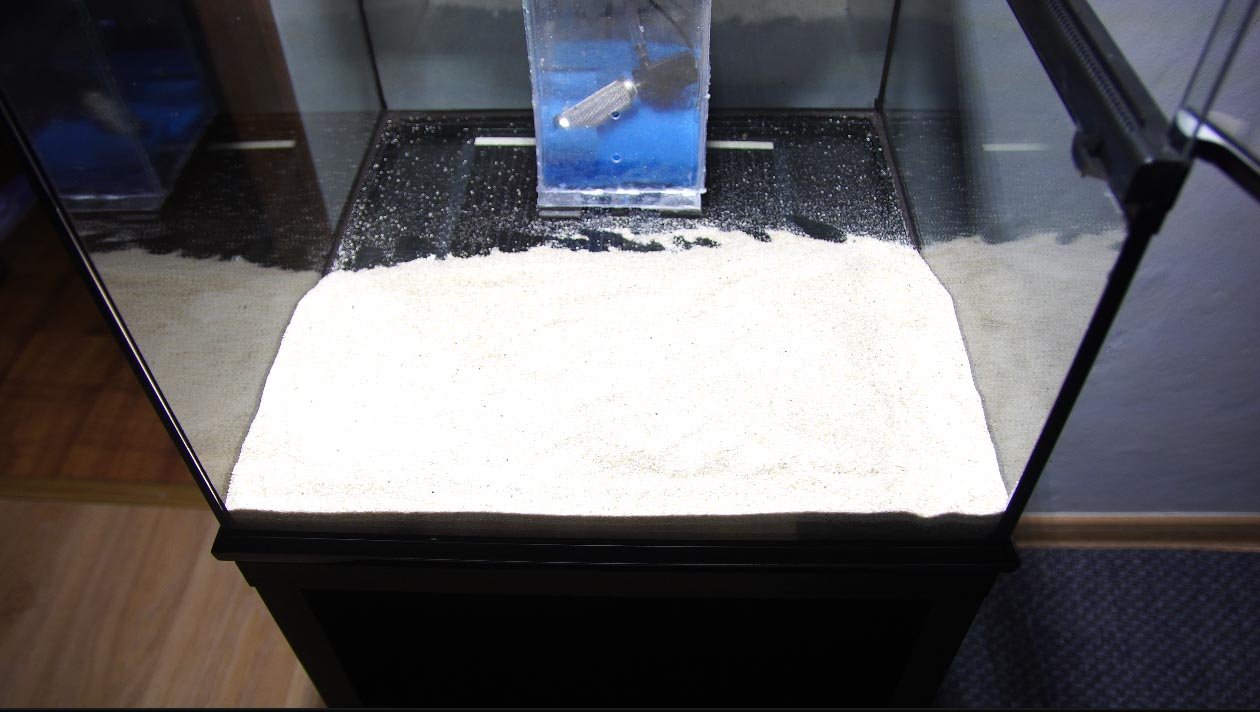
To retain substrate layers for the land section, I constructed a rock wall using maple stone, which is lightweight and visually textured. After positioning everything, I filled the area behind this barrier with clay balls (LECA) as a lightweight alternative to lava rock or coarse gravel.

Substrate and Planting Layers
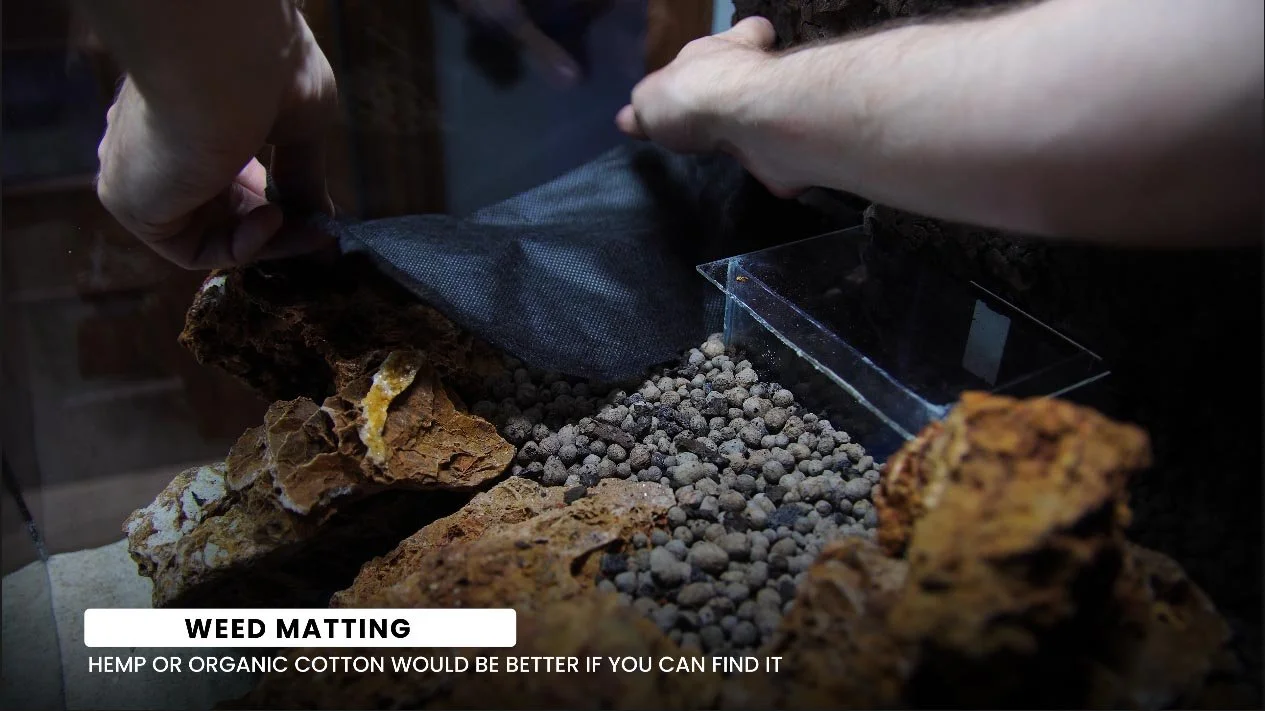
Above the LECA, I placed a weed matting layer. While I considered using organic fibers, such as hemp or natural cotton, I couldn’t find a suitable option locally, so I reused durable weed matting I’ve had for years.
At the tank’s top, I wanted a small water pool for crabs to hydrate, so I created one using a siliconed half pot and scrap acrylic. To match the tank’s natural look, I covered the pot with corkboard scraps.

For the primary background, I ordered four kilos of assorted cork bark and secured it with skewers. Since cork bark is hard, I pre-drilled small holes for easier skewer placement. Angling the skewers in various directions provided a better hold, and I also planned the waterfall’s flow path along the cork bark for a natural cascade.
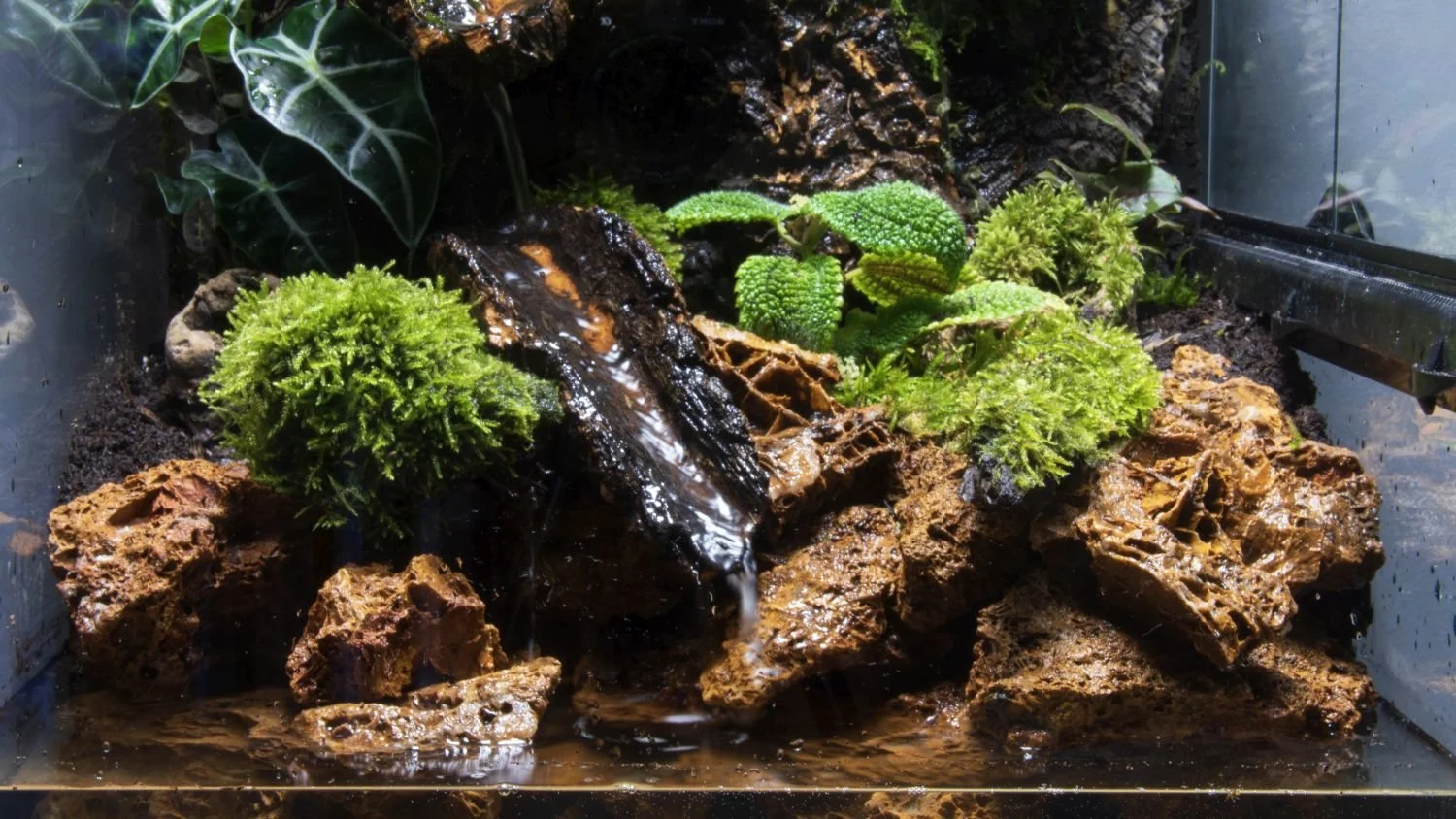
The base of the tank after the substrate system has been built
Final Setup and Adjustments
After testing the waterfall’s flow, I trimmed excess skewers. Fine-tuning the waterfall path was challenging but essential for proper water containment. Before adding moss and plants, I coated the background with a layer of animal-safe clay from a terrarium store. Applying this required patience, but the clay provides a more natural appearance. I then added hypnum moss, a resilient species that grows well in various conditions. Following this, I added a few inches of organic potting soil across the tank and filled all pre-planned soil pockets.
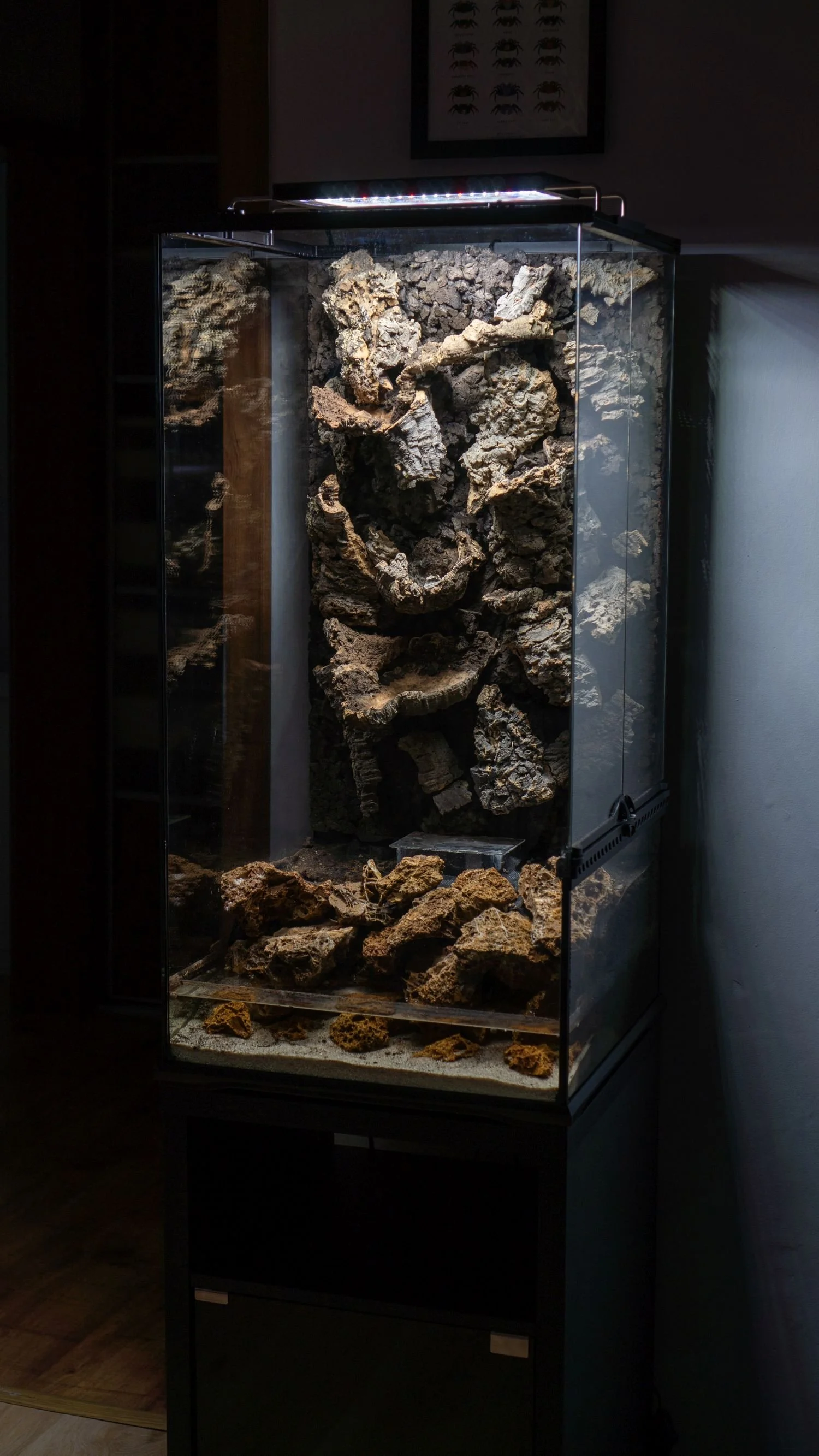
Exo-terra paludarium for vampire crab
For additional texture, I included hollow logs, bark, and branches I found in the forest. The initial round of planting was modest, but I’ll add more plants over time as I find the right varieties. I also received cuttings from a friend’s vampire crab setup, which was a nice addition to the tank.
Finishing Touches
Before introducing the crabs, I added a layer of leaf litter at the tank’s base, a mix of elm, beech, and oak, to enhance the natural look. For the water section, I kept it simple with a few crypts and Salvinia, adding a tiger lotus later for added interest. After several more weeks of fine-tuning the hardscape, I added a few larger pieces, ensuring each one fit well.

The Ultimate Vampire Ecosystem- By Indoor Ecosystem
In the third round of planting, I introduced a mini orchid and other creeping plants for additional color. The last touch before adding the crabs was to introduce isopods, a wild-type breed that I’ve been raising specifically for this tank. Shortly after, I noticed a cluster of small mushrooms—a positive sign of a healthy, maturing ecosystem.
The Vampire Crabs
Finally, I added the vampire crabs, a species called Geosesarma notophorum or “white mandarin.” Unlike most Geosesarma species, they molt on land and prefer vertical habitats, making them ideal for this setup. Because these crabs are delicate and don’t ship well, I made a 16-hour round trip to Germany to pick them up safely.
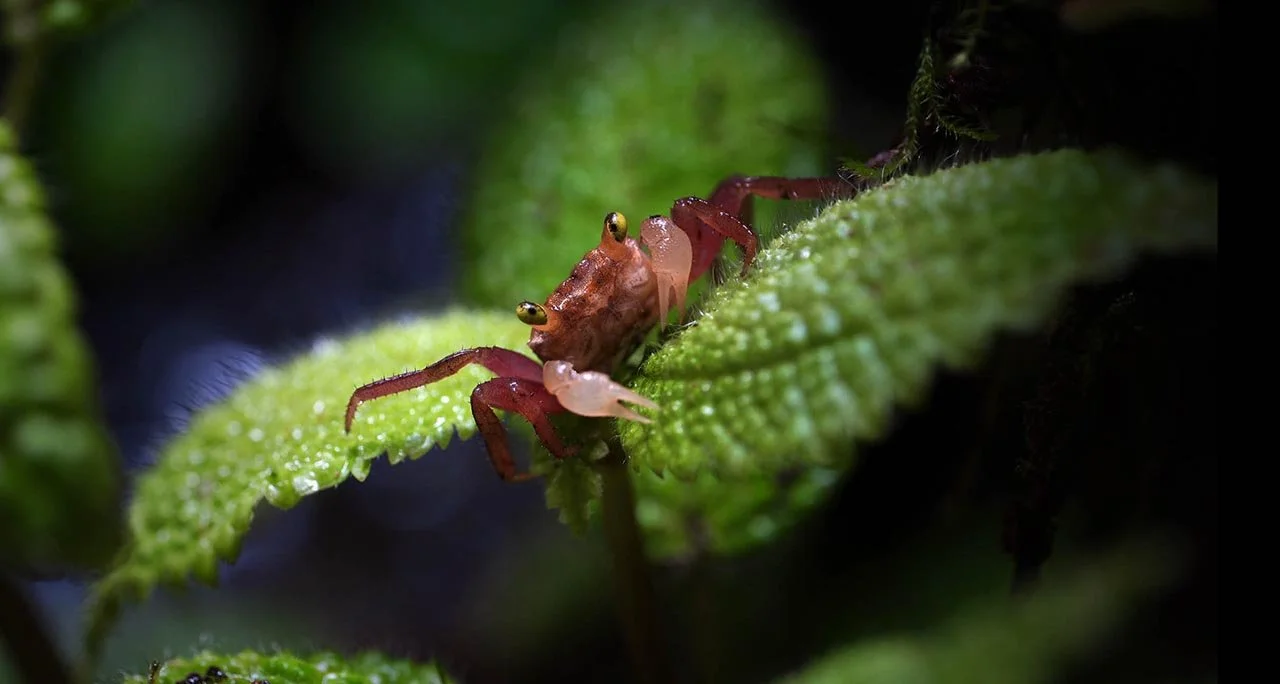
Female Geosesarma Notophorum
For more detailed species information, check my website. In the small water section,
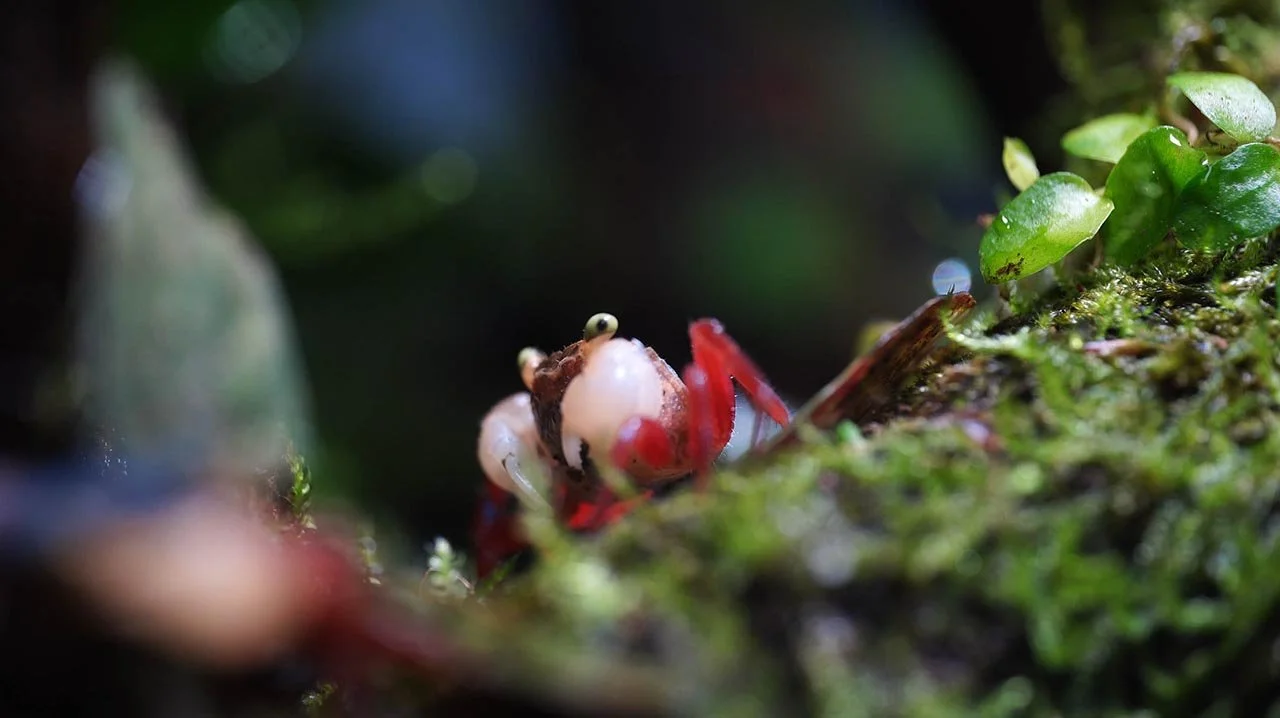
Male Geosesarma Notophorum
Other Animals in the water sEction
I’ve included cherry shrimp and ramshorn snails, in the water section to keep it simple. It’s only 11 liters (3 gallons) of water so there aren’t many other ethical options you can add.
Reflections
After over 200 days, the project is thriving, despite some minor plant loss. I made a few tweaks to the lighting angle and flow, reducing light spillover and glare on nearby screens. Though setting up the waterfall was complex, the combined effect of the waterfall and fogger enhances the tank’s natural feel. If I were to redo this setup, I might skip the waterfall in favor of a few isolated pools for easier maintenance.

Indoor Ecosystem - Vertical Vampire Crab Paludarium
Overall, this has been an exciting project, and I highly recommend trying a setup like this with the Exo Terra tank series—it’s a versatile platform and ideal for building unique habitats.
How to build a tank for vampire crabs