
HELP! CORALS ARE DYING! UNDERSTANDING WHY YOUR REEF TANK IS FAILING AND HOW TO FIX IT
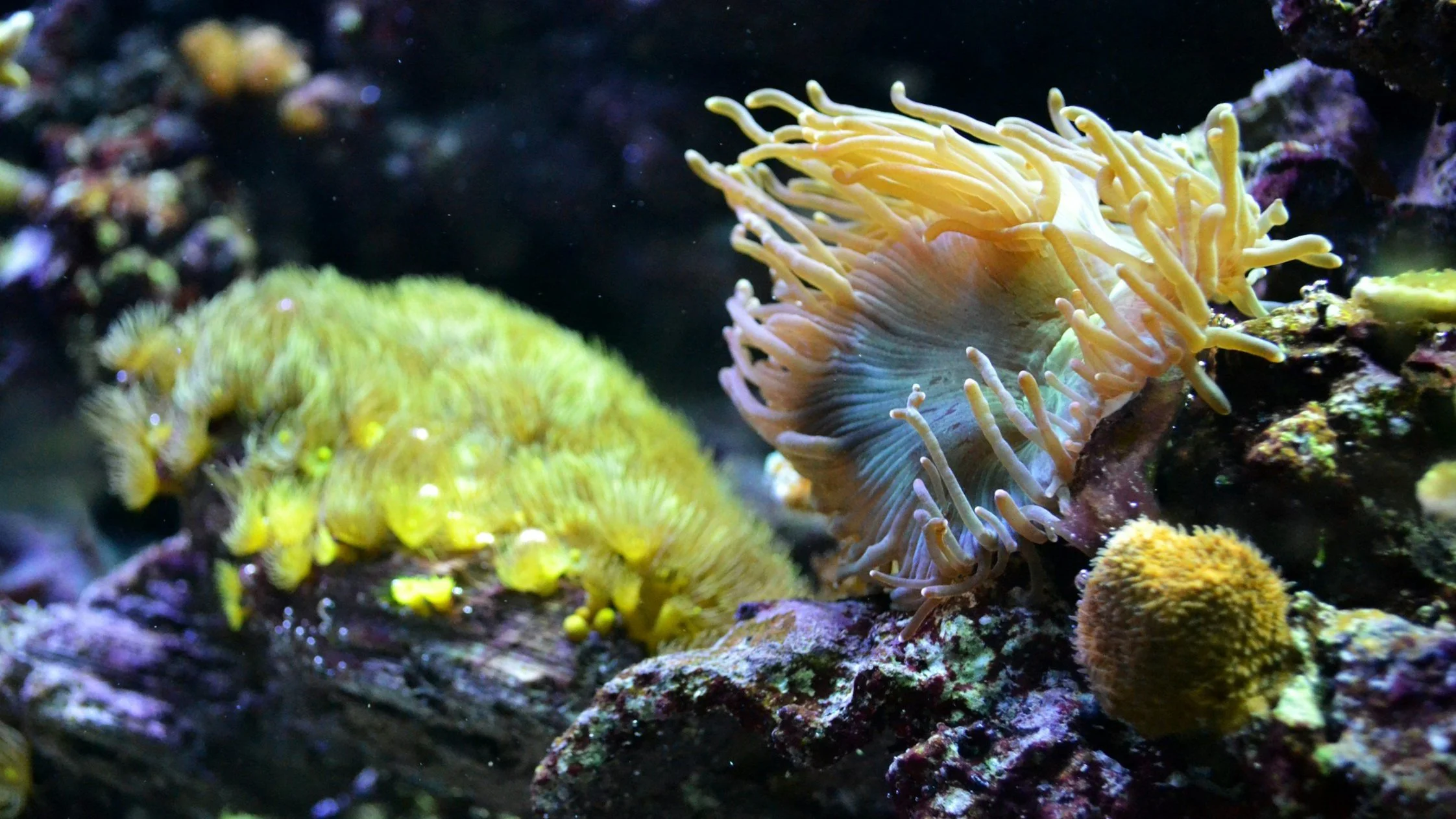
Setting up a saltwater aquarium isn’t as complicated or hard as it used to be. Science and technology have come a long way over the years and things that were once complicated are now far more simple to manage and control. That said, there are still some basic rules you need to follow to make sure you don’t have a catastrophic failure on your hands and in this fairly short article we’ll be going over some really important bits of information.
The Reality of New Saltwater Aquariums
One of the most common reasons corals die in new tanks is the premature addition of these delicate organisms. I know it’s hard to resist adding corals and animals to your tank right away but you really, really need to take things slow with marine aquariums. Even though you might have completed your initial tank cycle over a period of 4-6 weeks that is only the start of the very slow and delicate process of establishing a healthy biome.
If your tank is less than three months old, adding corals is highly discouraged. A stable tank requires months of gradual establishment to build a supportive environment for life.
After the initial cycle has been completed best practice is to slowly add small, tough and non-expensive corals to your tank. Some corals are far more forgiving than others and can tolerate the instability of new tank environments. While these corals are not always the most desirable for some people, they are important in establishing stability and allowing you to learn patience.
Examples of corals that do well in new tanks.
This is a short list of some of the best corals for new saltwater aquariums. Keep in mind some of these will grow very fast so isolating them on separate rocks is a good idea.
Xenia
Anthelia
Green Star Polyps (GSP)
Capnella (Kenya Tree)
Sinularia species
Leather corals (Sarcophyton, Sinularia, Lobophytum)
Mushroom corals (Discosoma, Ricordea)
Zoanthids (Some types are easier than others)
Adding my first corals after the cycle has complete
Examples of corals to avoid until your tank is at least 6 - 8 months old
These corals are generally considered difficult to keep and thrive with stability so they should only be added to tanks that have been running for a long period of time. With age comes stability!
Anemones
Acropora
Montipora
Stylophora
Goniopora
Catalaphyllia
Pectinia
Scolymia
Dendronephthya
Tubastraea
Euphyllia (all species)
Understanding Water Chemistry and Stability
Corals are sensitive to their environment, and water chemistry plays a crucial role. Merely testing for "basic" parameters is not enough; deeper, comprehensive checks are vital, especially when you are caring for hard to keep species.
Salinity: Should remain stable, ideally around 1.025-1.026 specific gravity.
Temperature: Corals thrive within a range of 76-82°F. Fluctuations can stress corals, especially in smaller tanks where water conditions change rapidly.
pH: Aim for a stable pH around 8.1-8.4, with checks done at various times of the day to catch fluctuations.
Ammonia: Any detectable level is dangerous for corals.
Nitrate and Phosphate: Low levels are necessary, as excessive nutrients fuel algae growth, suffocating corals. BUT! Having 0 NO3 and PO4 is also dangerous. You need to find the sweet spot for your tank and coral species.
Alkalinity (KH): Affects pH stability and should be maintained between 8-12 dKH. Drastic swings can damage coral tissue.
Calcium and Magnesium: Essential for coral growth, these should be kept at 400-450 ppm and 1250-1350 ppm, respectively.
Trace Elements are also required and usually come included with good-quality salt mixes. Regular water changes replace most of these elements. However, if you have a large population of corals extra dosing is usually required. But as a beginner, you don’t really need to worry about this just yet.
Strontium (8-10 ppm): Supports coral skeleton growth.
Iodine (0.03-0.06 ppm): Boosts disease resistance and pigment development.
Potassium (380-420 ppm): Maintains vibrant coral colours and cellular function.
Iron (trace): Aids macroalgae growth; use sparingly.
Manganese (trace): Supports photosynthesis and metabolism.
Boron (4-6 ppm): Stabilizes pH and aids calcification.
Molybdenum (trace): Assists metabolic processes and waste breakdown.
Zinc (trace): Enzymatic support and stress response.
Amino Acids: Enhance nutrient absorption and tissue growth.
Important Note: Regular testing weekly, especially for pH and alkalinity, can reveal fluctuations that might not show in single-point testing. Rapid swings, often unnoticed in smaller tanks, are a common culprit behind coral die-offs.
The Impact of Tank Size - smaller is always harder!
Small tanks can be deceivingly hard to maintain. Due to their limited water volume, any change, such as temperature rise or salinity drift, affects the environment far quicker than in larger tanks. This instability can be deadly for corals, especially sensitive species like SPS (Small Polyp Stony corals).
Recommendation: If you're new to reef-keeping, consider starting with hardy corals and fish. Clownfish, for example, are not only a beginner-friendly choice but can also assist in maturing your tank by contributing to the nutrient cycle.
One of the best videos for cycling a saltwater aquarium
Lighting and Equipment
One overlooked aspect of reef tank health is proper lighting. Corals rely on light for photosynthesis through their symbiotic algae (zooxanthellae). If your light is not strong or correctly set for the type of coral you have, they will struggle. Research the specific lighting needs of your corals and ensure your light source is up to the task. This is one of the most difficult tasks in the hobby and takes some time to truly understand which is why easy corals are so important in the learning process.
Advice: While fish can survive with general-purpose lighting, corals often require specialized aquarium lights that provide full-spectrum and adequate PAR (Photosynthetically Active Radiation).
Establishing Good Habits
Avoid "Hail Mary" Dosing: Adding supplements without understanding why you're doing so can cause more harm than good. Without accurate testing, dosing calcium, magnesium, or alkalinity boosters is guesswork.
Consistency is Everything: Corals do not handle abrupt changes well. Ensure all parameter adjustments are slow and controlled.
Research and Learning: Watch educational resources like the BRS TV series, which offer step-by-step guides to successful reef tank management.
Immediate Steps If Corals Are Dying - How to Save dying corals
Stabilize Your Tank: Identify and fix any significant swings in salinity, temperature, or alkalinity.
Water Changes: A large (20-30%) water change using RODI water can help reset harmful parameters.
Remove Dead Corals: Prevent decay from impacting water quality further.
Test and Retest: Ensure you're using reliable test kits (avoid low-accuracy options like basic API kits for precise readings).
Give them to someone to look after: If your tank is new and you have just realised you have no chance of saving them yourself, see if you can return them to the store until your tank is ready (Not usually an option). Alternatively, if you have a friend who can take care of them ask if they will help. Just be very aware of the fact that it might be too late to save them so don’t blame whoever is caretaking them for you if they don’t survive.
Learn from Setbacks
Mistakes happen, even to experienced reef keepers. If your corals do not survive, take it as a learning opportunity. Reassess your tank's readiness, the accuracy of your water testing, and your understanding of each coral’s needs. Maybe it’s best to wait for your tank to become more stable. Quite often this is simple a waiting process.
Sometimes things just don’t go according to plan. That’s normal