
AQUARIUM CARPET SEEDS: THE TRUTH BEHIND THE SCAM AND WHAT YOU NEED TO KNOW
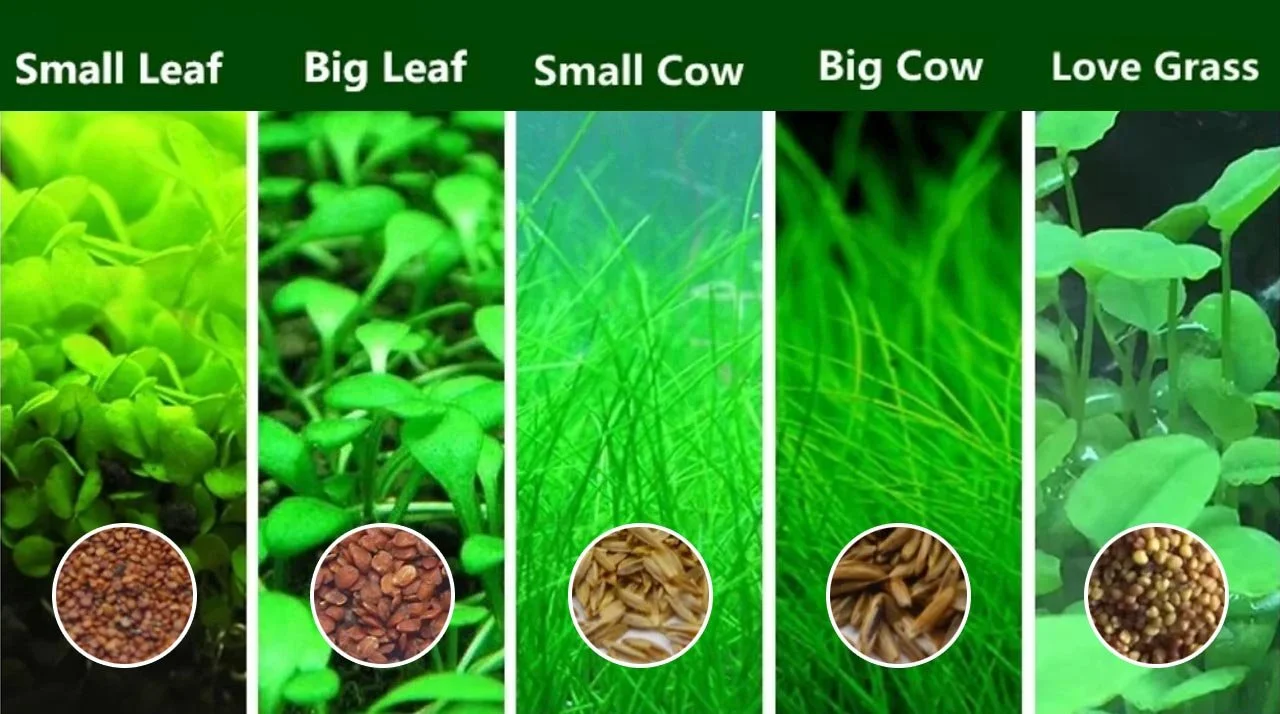
Aquarium plant seeds? Are they a scam?
One of the most iconic things in aquascaping is a lush green carpet that looks like a perfectly manicured lawn. Unfortunately, as with most things in the world, scammers have infiltrated the market and are selling people snake oil. Remember! "If it seems too good to be true, it probably is."
So in this guide, we're going to look at the aquarium carpet seeds scam in quite a bit of detail. But to put it simply, 95% of the time, these seeds won't grow as advertised. They will die after the tank is filled with water. There are a few other horrible scenarios that may unfold as well.
Aquarium Carpet Seeds: What You Need to Know
Aquarium carpet seeds are marketed as an easy way to grow a lush, green carpet in your aquarium. They are often sold at a low price, making them tempting for beginners or anyone wanting a quick solution. Unfortunately, pretty much all of these seeds aren’t real aquatic plants. So what are they if they aren’t carpeting seeds? Sellers usually provide terrestrial plants that are not suitable for long-term submerged growth. They may sprout initially, but once the aquarium is filled with water, these plants typically die off. In other cases, they are invasive aquatic plants such as Hygrophila polysperma.
And by the time you realise you’ve been screwed, it’s too late to claim a refund….
Aquarium Carpet Seeds Are a Scam – Choose Real Aquatic Plants
Before you invest in aquarium carpet seeds, it’s important to understand the reality: 99% of these seeds won’t work. They are often from terrestrial plants that will die once the tank is filled with water. Even worse, in some cases, they may be invasive species that are illegal to import or keep. Instead of wasting time and money on these scams, opt for true aquatic plants that will give you the results you’re looking for.
Do your research, buy from reputable sources, and enjoy the process of growing a beautiful, thriving carpet in your aquarium with real plants like Monte Carlo or Dwarf Hairgrass.
How to Grow a Carpet in an Aquarium: Step-by-Step Guide
Below are some really easy steps you can follow to grow a real Monte Carlo (Micranthemum tweediei) carpet. Monte Carlo is the easiest of all the carpeting plants to grow and while people always say it needs CO2 to grow well that’s a myth. However, CO2 does make things a little easier. Below are all the steps you can follow to grow successfully grow a Monte Carlo carpet.
Planting Monte Carlo (2 Methods)
There are two main ways to start Monte Carlo: the wet start (more common) and the dry start (less common). Both have their advantages, but lately, I’ve been leaning toward the dry start method because it’s a little less work.
Wet Start Method
To use the wet start method, follow these steps:
Break the Monte Carlo into smaller clumps or pieces.
Plant the clumps deeply and close together to encourage even spreading. For my setup, I used four small containers (about 6 cm each) of Monte Carlo, spacing them evenly across the substrate.
Fill the tank extremely slowly to prevent the plants from floating.
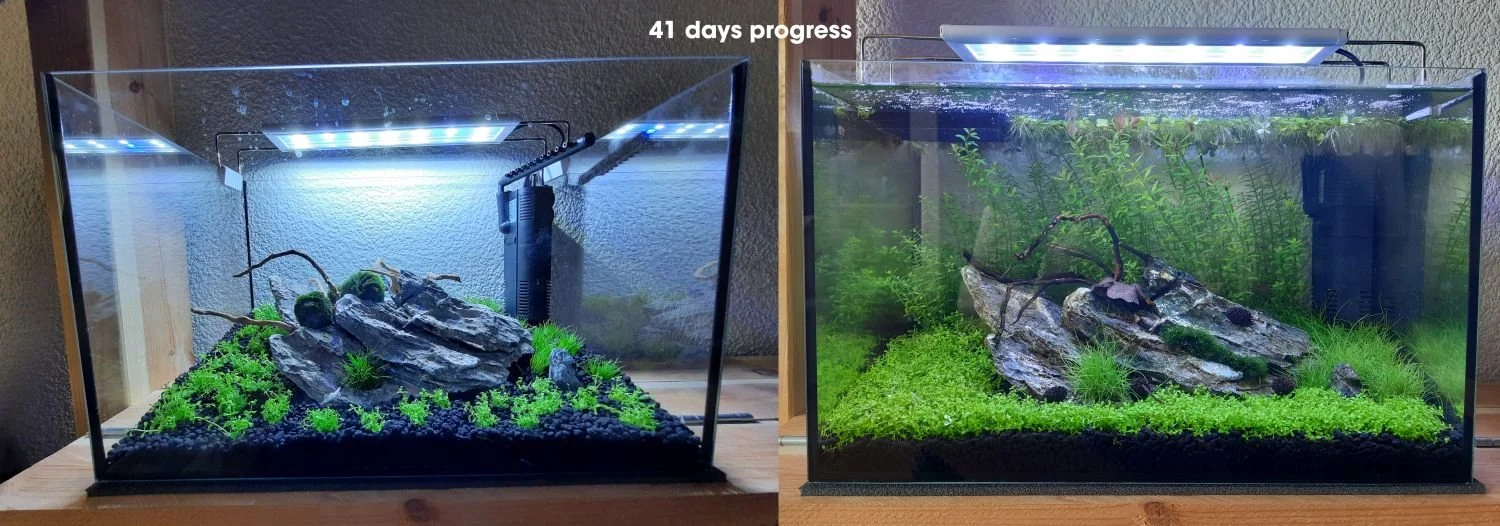
Growing a Monte Carlo carpet properly (not by seed)
With the wet start method, you typically see less "meltback," but it’s common for the plants to float if not planted deep enough. Filling the tank gradually helps avoid this issue.
Dry Start Method
If you choose the dry start method, here’s what to do:
Break the Monte Carlo into very small bits. The smaller, the better, and then spread them across the surface of your aqua soil to cover as much area as possible.
Lightly mist the soil to gently press the Monte Carlo into place, ensuring you don’t over-saturate the tank.
OPTIONAL: Add springtails to manage mould and decaying plant material. I highly recommend this step if you can.
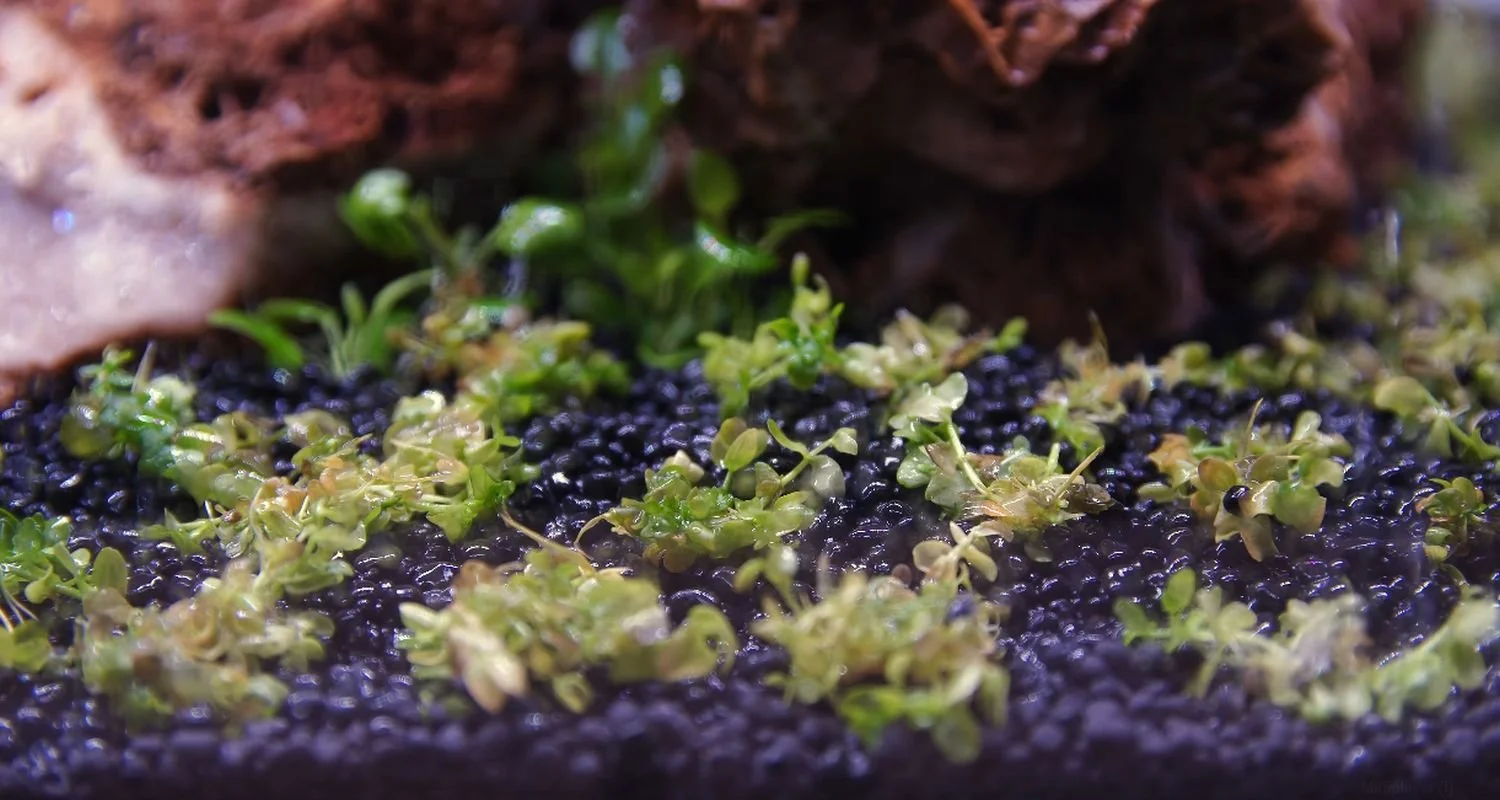
Dry starting a Monte Carlo carpet
Cover the tank completely with a lid or cling wrap to maintain humidity. Mist the plants a couple of times a week, and in about 6–8 weeks, your carpet will establish roots and spread. Once it’s rooted, you can slowly fill the tank with water. You might see some initial meltback as the plants adjust, but you shouldn’t have issues with them floating.
The video below showcases the dry start process, though I’m using CO2 for some demanding stem plants. Without those, the setup would work fine without CO2.
Maintaining Your Monte Carlo Carpet
Even without CO2, Monte Carlo thrives with the right care. Here are some key tips:
Trimming: Once the carpet reaches about 1.5 inches in height, trim it back. If not maintained, the bottom layer can die from lack of light and may float, which could require restarting your tank.
Algae Control: Algae can pop up early on but usually settles as the tank matures. If algae becomes a problem, slightly reduce light or introduce algae-eating shrimp or snails (just avoid species that could harm your carpet).
After trimming, the carpet might look a bit rough but will recover and continue growing.
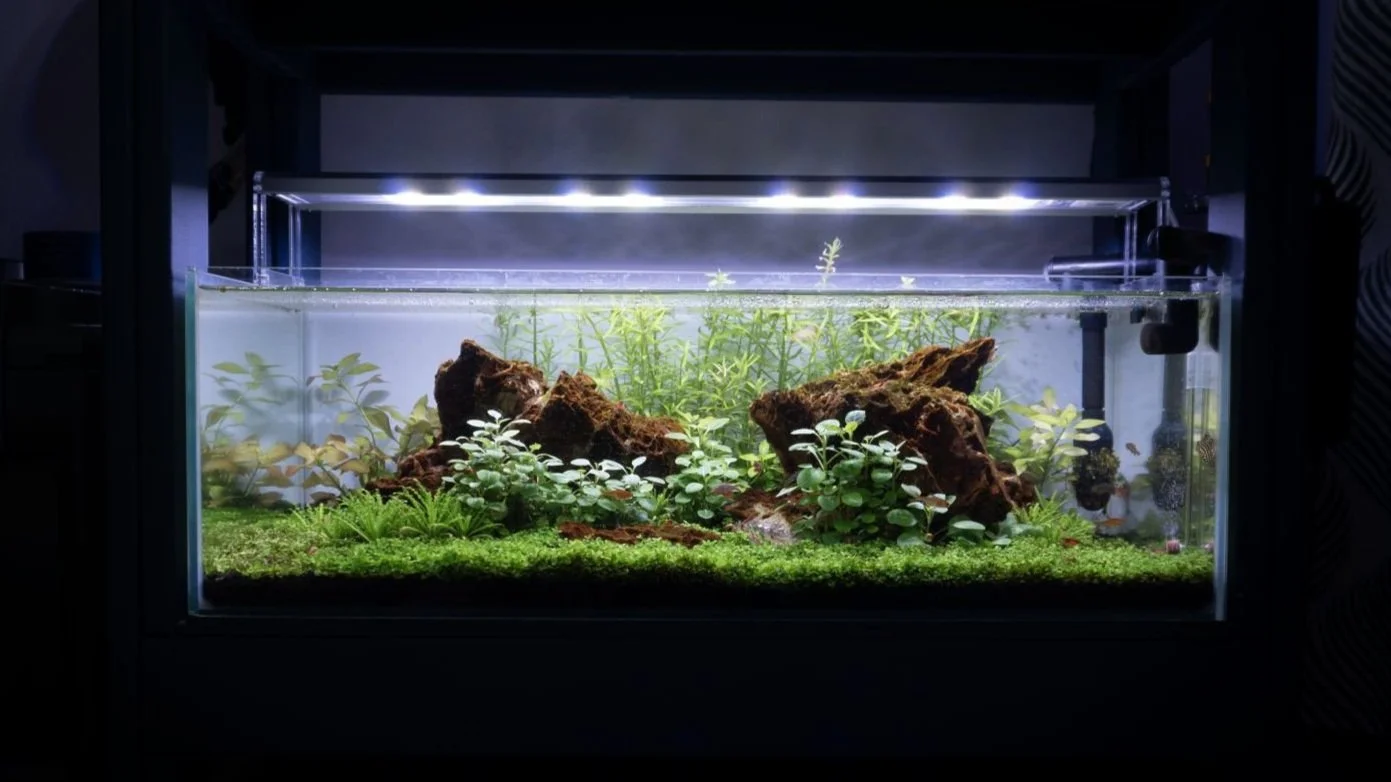
7 weeks into a Monte Carlo carpet
Fertilizing Without CO2
If you’ve used a good quality aqua soil and have fish, shrimp, or snails in your tank, you probably won’t need to fertilize for the first 12–18 months. That’s been my experience. However, if your tank includes other nutrient-hungry plants, consider adding micro and macro nutrients after about 6 months to keep everything healthy. Generally, NO3 and PO4 should suffice.
No CO2? No Problem!
Many people think CO2 is essential for a Monte Carlo carpet, but that’s not the case. While CO2 can accelerate growth and make the plants appear fuller, it’s not necessary. My tank has no CO2, and I’ve seen great results.
How to grow a monte carlo carpet without co2
FAQs - the carpeting seed scam
Aquarium Carpet Seeds Not Growing: Why It Happens
A common problem reported by buyers is their aquarium carpet seeds not growing. The reason behind this is simple: these seeds are often from plants that cannot survive in a submerged environment. During the dry-start phase, they may begin to germinate and spread, but once the tank is filled with water, the terrestrial plants suffocate and rot. In other cases, the seeds may never even sprout at all, leading to frustration and wasted money.
Aquarium Carpet Plants Seeds: Understanding the Scam
If you're searching for aquarium carpet plant seeds, you should be aware that this phrase is misleading. Legitimate aquatic carpet plants like Monte Carlo, Dwarf Hairgrass, or Glossostigma are sold as seeds. Instead, they are sold as small plant cuttings or tissue cultures. Many sellers on online marketplaces exploit the term "seeds" to sell low-quality or terrestrial plant seeds that won’t survive long in a submerged aquarium environment.
Aquarium Carpet Plant Seeds for Sale: What to Watch Out For
When browsing online for aquarium carpet plant seeds for sale, you'll likely encounter many attractive listings. However, the reality is that most of these seeds are not designed to grow underwater. In the rare cases where aquatic seeds are sold, they might be seeds of Hygrophila polysperma, an invasive species banned in many countries. Make sure to research the plant species before purchasing and always buy from reputable aquatic plant sellers.
Best Aquarium Carpet Seeds: They Don’t Exist
If you're looking for the best aquarium carpet seeds, here’s the truth: they don’t exist. Carpet plants that thrive underwater are not grown from seeds. Instead, you should look for real aquatic plants such as Monte Carlo, Dwarf Hairgrass, and Glossostigma. These plants are sold as live specimens or in tissue culture form, ensuring that they are suitable for your aquarium and won’t wither away after you fill your tank with water.
How Long Does It Take for Aquarium Carpet to Grow?
They usually sprout pretty quickly and will cover your substrate within a couple of weeks, however, as soon as you fill your tank with water, it’s GAME OVER! Now you just have to wait for everything in your aquarium to die.