
THE MOST COMMON REASONS VAMPIRE CRABS DIE
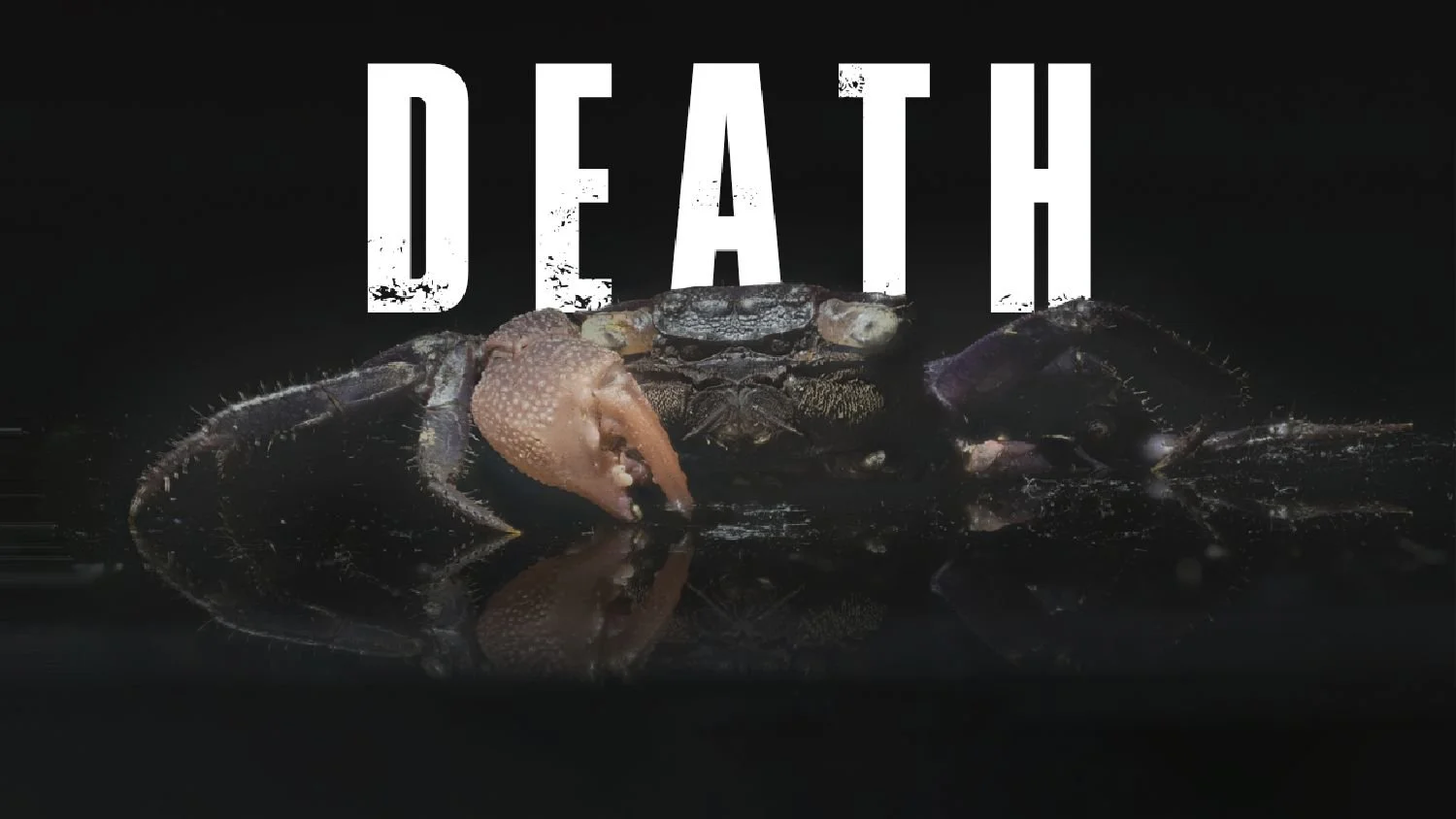
The most common reasons vampire crabs die
Vampire crabs are getting more and more popular and it seems that everyone wants to keep them in their paludariums. However, there are quite a few important things you need to take in to account before you start keeping them. The first is the most common cause of death in captivity. Unlike a lot of other animal species in the trade, Geosesarma Vampire Crabs are quite tough but do have a few major weaknesses that most people aren’t aware of.
WHY DO MY VAMPIRE CRABS KEEP DYING?
5. Failed Molts
Molting is a vital process for the growth and well-being of vampire crabs. During molting, crabs shed their exoskeletons to accommodate their increasing size or to recover from injuries. A failed molt occurs when a crab is unable to shed its old exoskeleton properly, leading to life-threatening complications. This can result from accidents, such as claw breakages, which hinder the crab’s ability to exit its old shell.
Dietary factors also play a role in successful molting. A diet rich in calcium, protein, and essential minerals is crucial for promoting healthy molting cycles. By providing the right nutrition, you can minimize the risk of failed molts and ensure your crabs thrive.
4. Old Age
The lifespan of vampire crabs is relatively short, ranging from two to two and a half years. As many of these crabs are wild-caught, their ages upon entering captivity can vary greatly. Crabs that are already aged when acquired may not enjoy a lengthy life, leading to early mortality. Opting for captive-bred crabs is recommended, as they are generally healthier, younger, and more adaptable to their new environment.
3. Poor Diet
A well-rounded diet is essential to the vitality of vampire crabs. A combination of dry foods like fish pellets, crab pellets, and shrimp pellets, along with fresh vegetables, forms an optimal diet. A varied food intake ensures proper nutrition, minimizing the risk of malnutrition-related health issues.
2. Improper Environment
Maintaining an appropriate habitat is paramount to the survival of vampire crabs. These creatures are primarily terrestrial, spending the majority of their time on land. A well-balanced habitat includes 80% land and 20% water allocation, reflecting their natural preferences. The environment should also feature proper humidity and temperature levels. Adequate land space, in particular, is essential for these crabs to engage in their natural behaviours.

One of the worst Vampire Crab tanks I've seen... Do not do this!
1. Shipping Trauma

Picture @milleniumsnakes
The journey from their native habitats in Southeast Asia to aquariums around the world will subject vampire crabs to shipping trauma. Fluctuations in temperature, physical jostling, and prolonged travel times can lead to stressed and weakened crabs upon arrival. Even with careful packaging and shipping, the stress endured during transit can be overwhelming. It is recommended to seek out local sources for purchasing crabs whenever possible to mitigate the risks associated with shipping. While almost all Vampire Crabs will be shipped at some point in their lives you want to reduce shipping scenarios as much as possible. The less shipping involved in getting the crabs to you the better. So before you go online and start searching for store look around your local area to see if any stores or local breeders are selling them.
TIP: It may even be worth going for a short little road trip to pick them up. I’ve done this quite a few times and it’s worth the extra effort to get healthy crabs.
The final point to cover about shipping trauma is that it can last for up to 4 weeks after you get your crabs. This means you have a window of a month where your crabs can drop dead after being shipped. On average the death rates are about 50/50 which is extremely high even when packaged fairly well.